



Israeli-Palestinian Conflict Protests Lead to Arrests in UK
A 52-year-old woman from Scotland faces 14 years in prison on suspicion of supporting Palestine Action after becoming involved in the Israeli-Palestinian conflict.
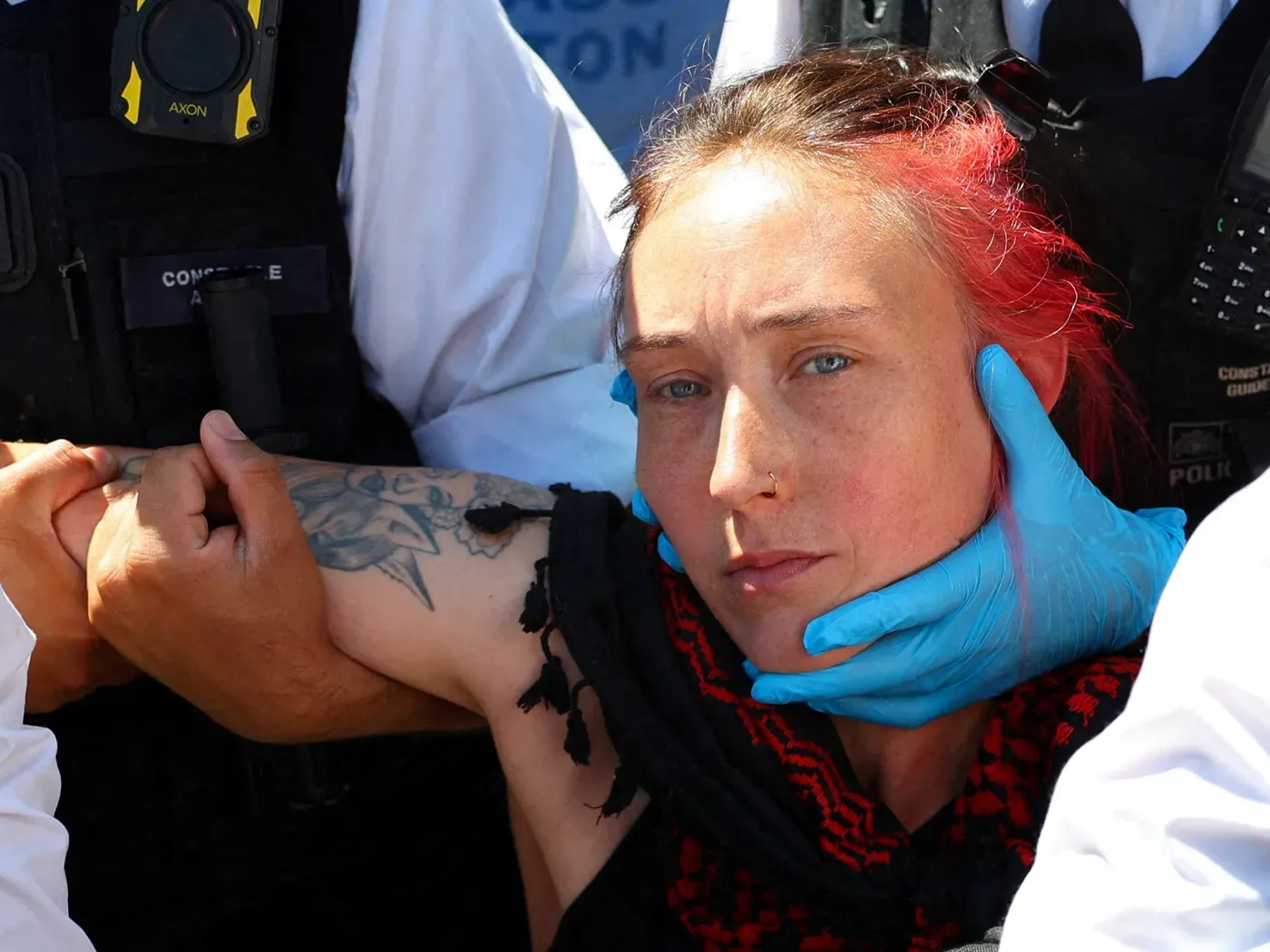
A quiet life in Scotland turned upside down for 52-year-old Claire, who now faces 14 years in prison on suspicion of supporting Palestine Action. Until three years ago, she didn't consider herself a political person. Her daily routine consisted of low-level administrative work and hobbies like reading and baking with her dog.
But the Israeli-Palestinian conflict changed everything for Claire. She began to learn more about the situation after watching the aftermath of October 7 unfold online. The loss of three daughters by Dr Izzeldin Abuelaish, a Palestinian physician in Gaza, had a profound impact on her. His book "I Shall Not Hate left an indelible mark.
For Claire, there was no middle ground between Israel's right to defend itself and the reality she witnessed online. She recalled the moment she began questioning the official narrative: There wasn't a delay between 'Israel has a right to defend itself' and then lies. This realization sparked her interest in Palestinian solidarity.
As the genocide in Gaza continued to be livestreamed, many people like Claire found themselves drawn into activism. The summer of 2023 marked a turning point for some, including Claire, who began to educate herself about the Israeli-Palestinian conflict. She was not alone in this journey; numerous groups sprouted up across the UK.
Organisations such as Defend Our Juries and Artists for Free Palestine emerged alongside Workers for Free Palestine and countless others. These groups seem to have popped up overnight, but their impact is undeniable, they're giving voice to a growing movement of people who are now vocal about their support for Palestinian rights.
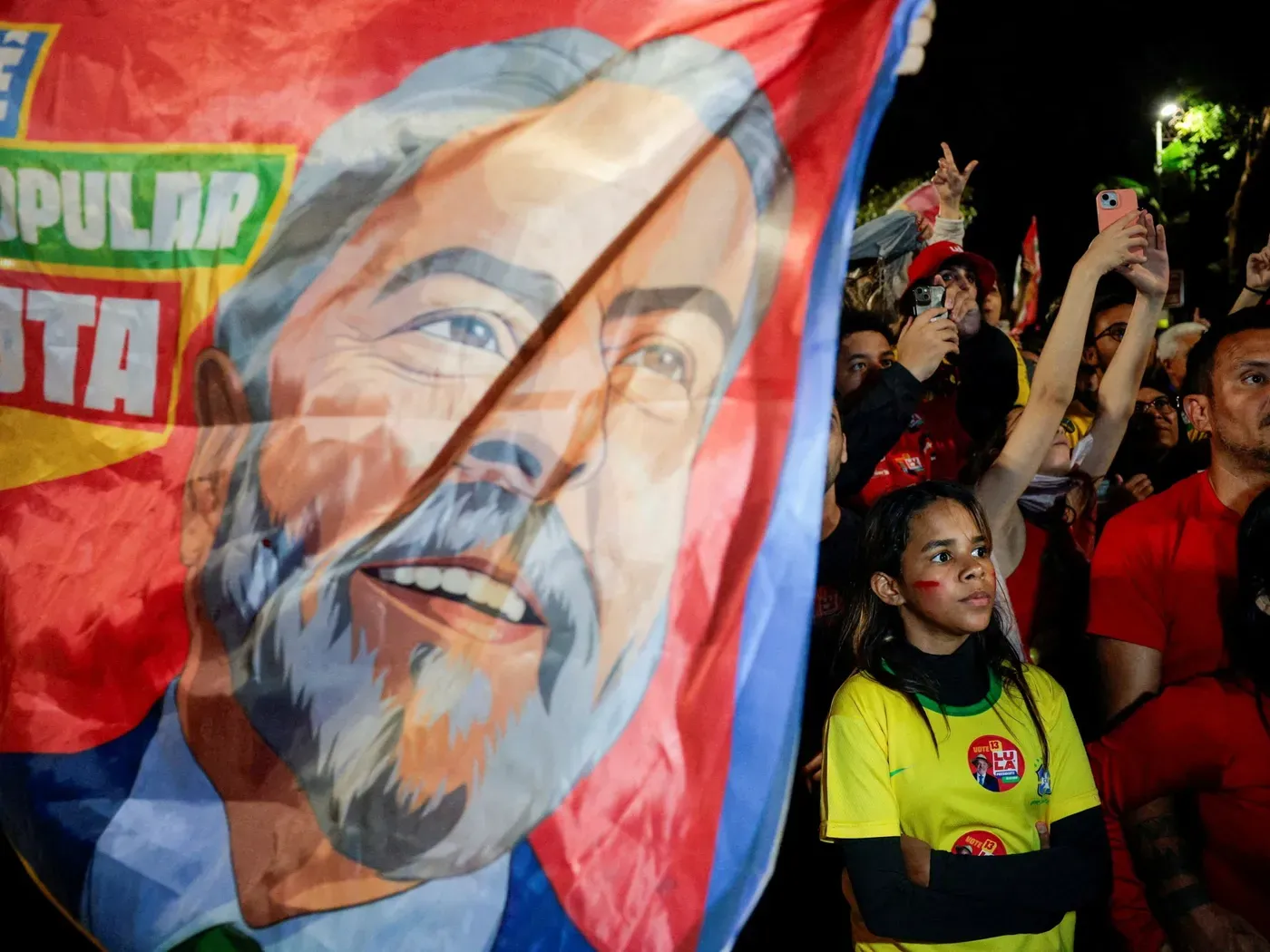
As the protests against Israel's actions in Gaza continued to grow, many Britons found themselves drawn into the Palestine movement. For some, like Claire, it was a gradual process that began with attending a pro-Palestine rally on Armistice Day, where she was shocked by the government's response.
The then Home Secretary Suella Braverman had described the protests as hate marches, but for Claire, this only strengthened her resolve to take action. She started writing letters to lawmakers and fundraising for Palestinian aid programmes, using her voice to speak out against what she saw as injustices. As she became more involved, Claire began to realize that there were many others like her who felt compelled to make a difference.
One such person is Marji, a 70-year-old resident of Colchester who had never been one for protests before. However, after hearing Braverman's comments on the pro-Palestine marches, she felt a strong urge to take action. Carrying a Ceasefire Now" sign at an Armistice Day march in 2023 was her first step into activism.
Marji's personal connection to the conflict is rooted in her family history - her father served in the British Army and her father-in-law was taken prisoner of war by Japan during World War II. This experience has given her a unique perspective on the importance of standing up against oppression, and she feels a strong sense of responsibility to use her voice.
The impact of these grassroots movements is undeniable, with over 3,000 people arrested for supporting Palestine Action since its proscription in 2025. For Claire and Marji, as well as many others like them, the fight for Palestinian rights has become a personal one, driving them to take risks and challenge the status quo.
Many Britons have been drawn into the Palestine movement due to Israel's actions in Gaza, which they see as a genocide.
For some, this has meant making difficult choices about their careers and personal lives, as they risk professional and legal repercussions for expressing solidarity with Palestinians.
Marji, who had a successful career in financial services, is one such person. She was arrested in Westminster under Section 12 of the Terrorism Act in July and is now waiting to see if charges will be laid against her.
The arrest has raised questions about whether it's safe for Britons who support Palestinian rights to live in the UK, particularly with grandchildren.
Across various sectors, including arts, railways, financial services, and administration, people have been taking a stand against Israel's actions in Gaza.
The conflict in Gaza has led to a surge in anti-Israel protests across the UK, as people express their outrage over the devastating impact of the war on civilians.
Since October 7, 2023, Israel's relentless bombardment of Gaza has had a catastrophic effect, with more than 74,000 people killed and the territory left devastated. The situation is so dire that Gaza now holds the unfortunate distinction of having the largest group of child amputees in modern history.
For many Britons, the conflict has sparked a re-evaluation of their understanding of the situation. Some have come to realize that the narrative they had been fed was flawed, and that those living in Gaza are not terrorists but innocent civilians caught in the crossfire.
The UK government's role in the conflict is also being scrutinized by protesters, who accuse it of complicity in the genocide. This perception has only strengthened their resolve to speak out against Israel's actions.
As protests continue, some have faced backlash and legal challenges for their participation. However, this has not deterred those like Marji, who believes that differentiating between Jewish people and those supporting Israel's occupation is crucial in this context.
Many workers in Britain are hesitant to speak out against their employers' involvement in supporting or enabling Israel's actions due to fear of repercussions.
This reluctance stems from a lack of awareness about workers' rights and the potential consequences of voicing dissent, which can be severe. Some employees may feel that their individual efforts will have little impact on the broader situation.
Despite these challenges, some individuals are finding ways to make a difference, driven by a sense of moral obligation to resist what they see as complicity in human rights abuses.
Facts based on reporting originally published by Al Jazeera.
You may republish this story, in full or in part, if you credit Noti Group and link to it (licence CC BY 4.0). Photos are not included.