


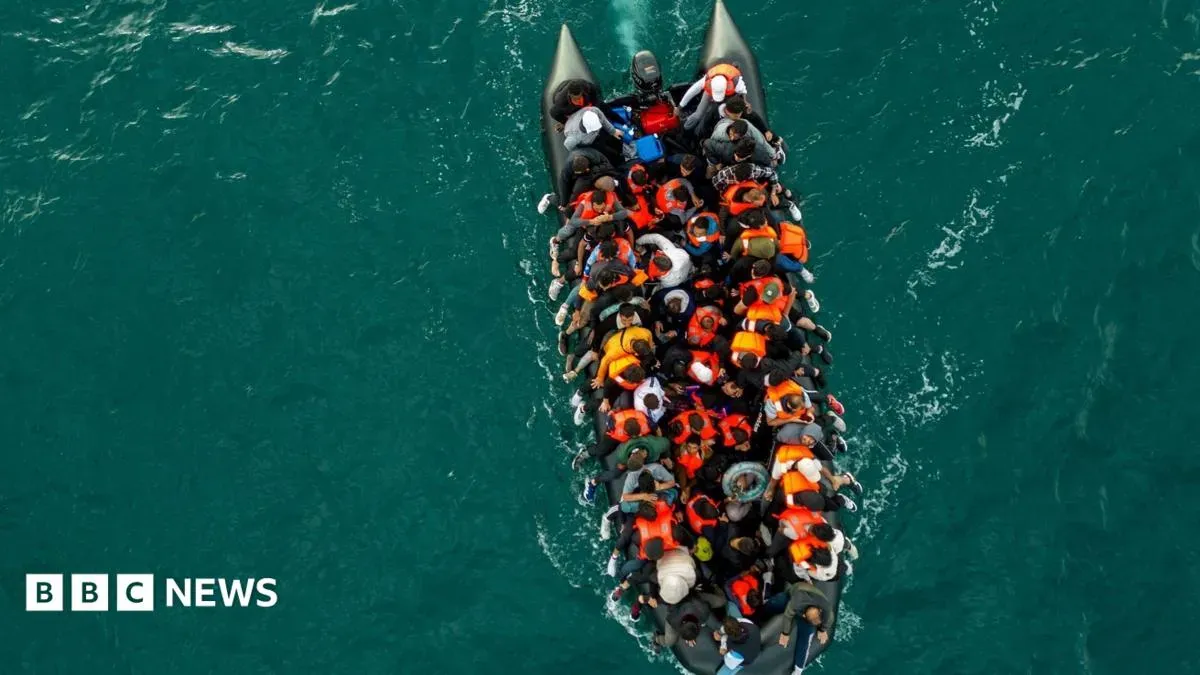




EU Member States Announce Offshore Centre Plan for Asylum Seekers
Five EU member states have announced plans to establish an offshore centre in Rwanda for individuals without a valid claim to stay in Europe. The pilot scheme aims to relocate 100 people...
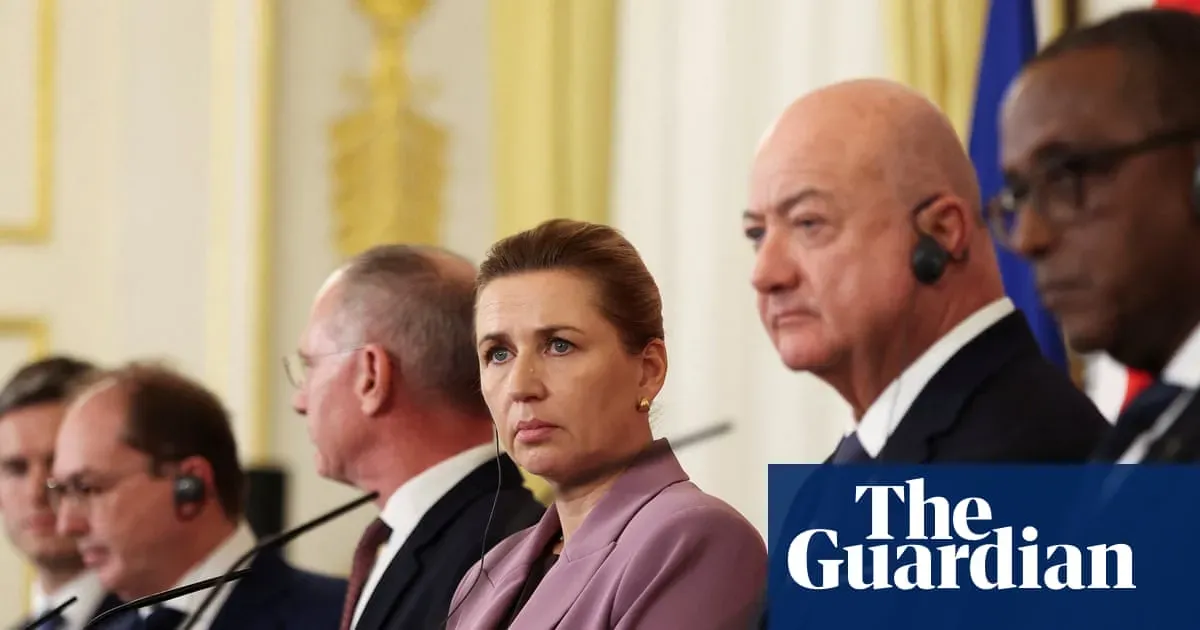
Five EU member states have announced plans to establish an offshore centre in Rwanda for individuals without a valid claim to stay in Europe. The pilot scheme aims to relocate 100 people from early next year, marking a significant development in the bloc's efforts to curb illegal migration.
Critics are already sounding alarm bells, denouncing the policy as "a grave moral failing. They argue that sending asylum seekers and migrants to a third country raises serious concerns about their rights and safety. The five countries involved - Germany, Austria, Netherlands, Denmark, and Greece - will face challenges in implementing this policy.
The EU's newly agreed returns law has paved the way for this initiative, allowing individuals who have exhausted all avenues of appeal against their removal from Europe to be sent to a third country. This development is expected to spark intense debate about the bloc's immigration policies and the implications for human rights.
Concrete negotiations with Rwanda are set to begin on implementing the scheme, which the five countries claim will make an important contribution to reducing illegal migration and dismantling the business model of smugglers.
The reception centre in Rwanda will be an open facility designed to accommodate regular flows of migrants, rather than a long-term housing solution.
Migrants would initially stay at the centre for a couple of months before making the decision to integrate into life in Rwanda or return home, according to diplomatic sources.
This scheme differs from previous attempts by European countries to address migration, such as the UK's failed plans and Italy's agreement with Albania, which did not focus on asylum seekers but rather those who had already made claims.
The EU countries involved argue that this approach will protect their asylum system while removing the incentive for irregular migrants to come to Europe.
Critics are questioning the ethics of partnering with Rwanda's government due to its track record on human rights. The US state department found in 2024 that Rwanda allows state security forces and civilian officials to commit abuses with impunity, raising concerns about freedom of expression and forced labour.
The agreement has drawn fire from French Green MEP Mélissa Camara, who called it an agreement of shame" and a "grave moral failing. She highlighted the fact that those deported under this system would be sent thousands of kilometres away from their families and communities in Europe. The potential for rights abuses during deportation was also raised.
The Council of Europe's secretary general, Alain Berset, expressed caution when discussing return hubs. He acknowledged that all members of the council are committed to upholding the European convention on human rights, which should serve as a guiding principle for any such proposals.
Berset emphasized that it is impossible to predict with certainty what the implications of a return hub system would be without more information. His comments came before the announcement by five EU countries of their plans to establish return hubs in Rwanda.
The UK's position on this issue has been clarified somewhat, with Andy Burnham stating last week that the country will watch with interest any developments related to return hubs. He also noted that public opinion in the UK is strong on dealing with illegal immigration.
The proposed return hubs in Rwanda are expected to face legal challenges from officials involved in their setup. However, these individuals argue that the scheme is based on human rights law, which they claim will be upheld during implementation.
Rights organisations have expressed strong opposition to the plan, warning that it will inevitably fail due to its inherent flaws. According to Chiara Catelli of Picum, a pan-European advocacy group for undocumented migrants' rights, the term return hubs" or "welcome centres" is nothing more than a euphemism. She described the scheme as violent and inhumane, as it involves uprooting people from their lives in Europe and sending them to an unfamiliar country with no support system.
The effectiveness of this policy will ultimately depend on its ability to comply with international conventions, including human rights law, which must be respected by all countries.
Facts based on reporting originally published by The Guardian World.
You may republish this story, in full or in part, if you credit Noti Group and link to it (licence CC BY 4.0). Photos are not included.