





Verheij Syndrome Researchers Find Vitamin B12 Corrects Developmental Problems
Researchers have discovered that vitamin B12 can correct developmental problems in tiny worms carrying a specific genetic mutation linked to Verheij syndrome.
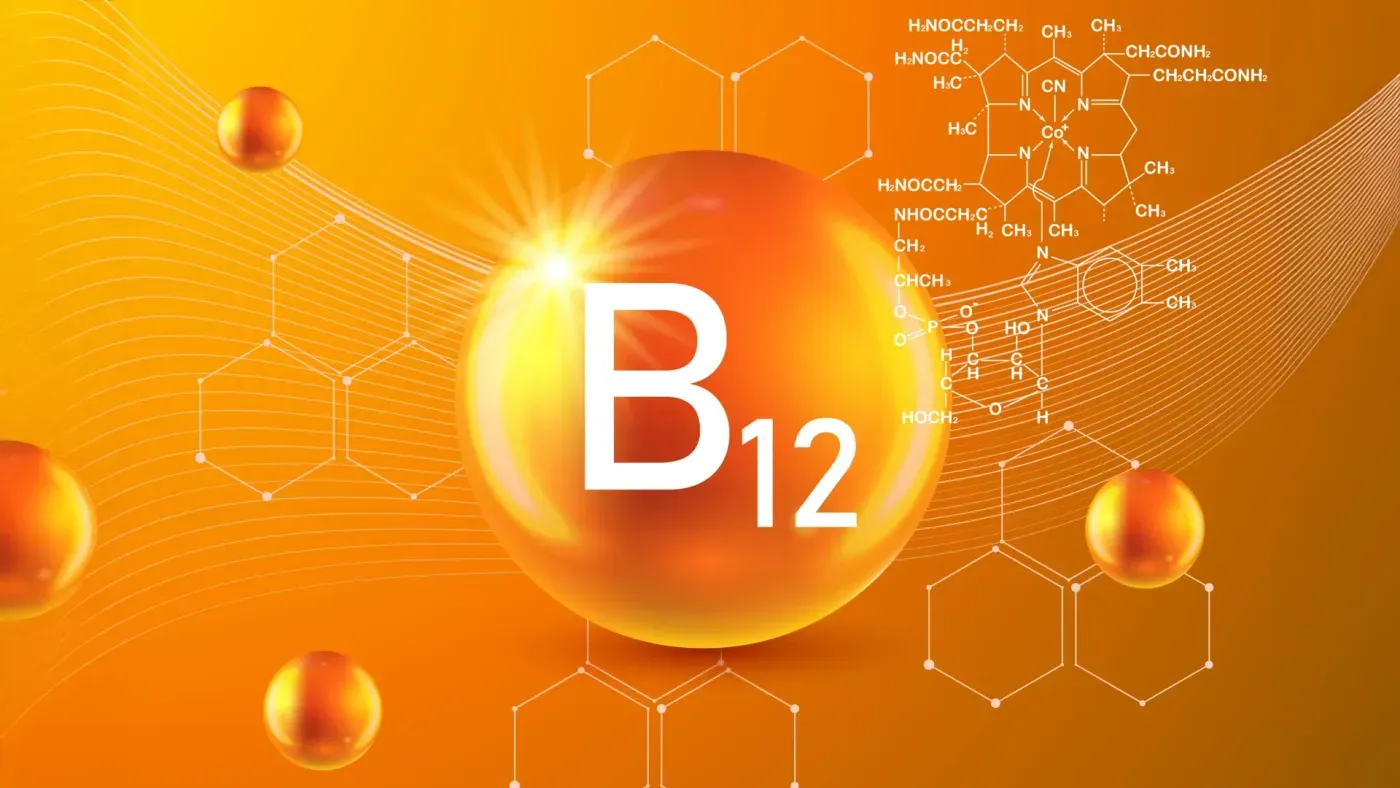
A significant breakthrough has been made in understanding a rare genetic disorder known as Verheij syndrome, which affects human development, growth, and metabolism. Researchers have found that vitamin B12 can correct developmental problems in tiny worms carrying a specific genetic mutation linked to the condition.
The study focuses on RNA splicing, a crucial cellular process where messenger RNA is prepared for protein production by removing unnecessary sections and joining the remaining parts together correctly. When this process goes awry, it can disrupt essential functions and contribute to severe developmental disorders like Verheij syndrome.
Mutations in genes responsible for RNA splicing have been identified as causes of various conditions, including Verheij syndrome. To gain a deeper understanding of these genetic changes' effects, scientists conducted experiments on a laboratory model involving a related mutation affecting growth and metabolism.
In their research, the team used C. elegans , a tiny roundworm often employed in biological studies, to investigate the impact of the mutation. Initially searching for unknown genes influencing lifespan, they stumbled upon a mutation in a gene associated with RNA splicing and linked to Verheij syndrome in humans.
The worms carrying this mutation exhibited growth problems reminiscent of key features of the human disorder, including significantly slower growth rates and smaller size compared to normal worms.
The researchers conducted genetic screens and analyzed the worms' metabolism to understand how the mutation was causing growth problems. They discovered that the disruption of specific metabolic pathways dependent on vitamin B12 was essential for healthy growth and normal cellular activity.
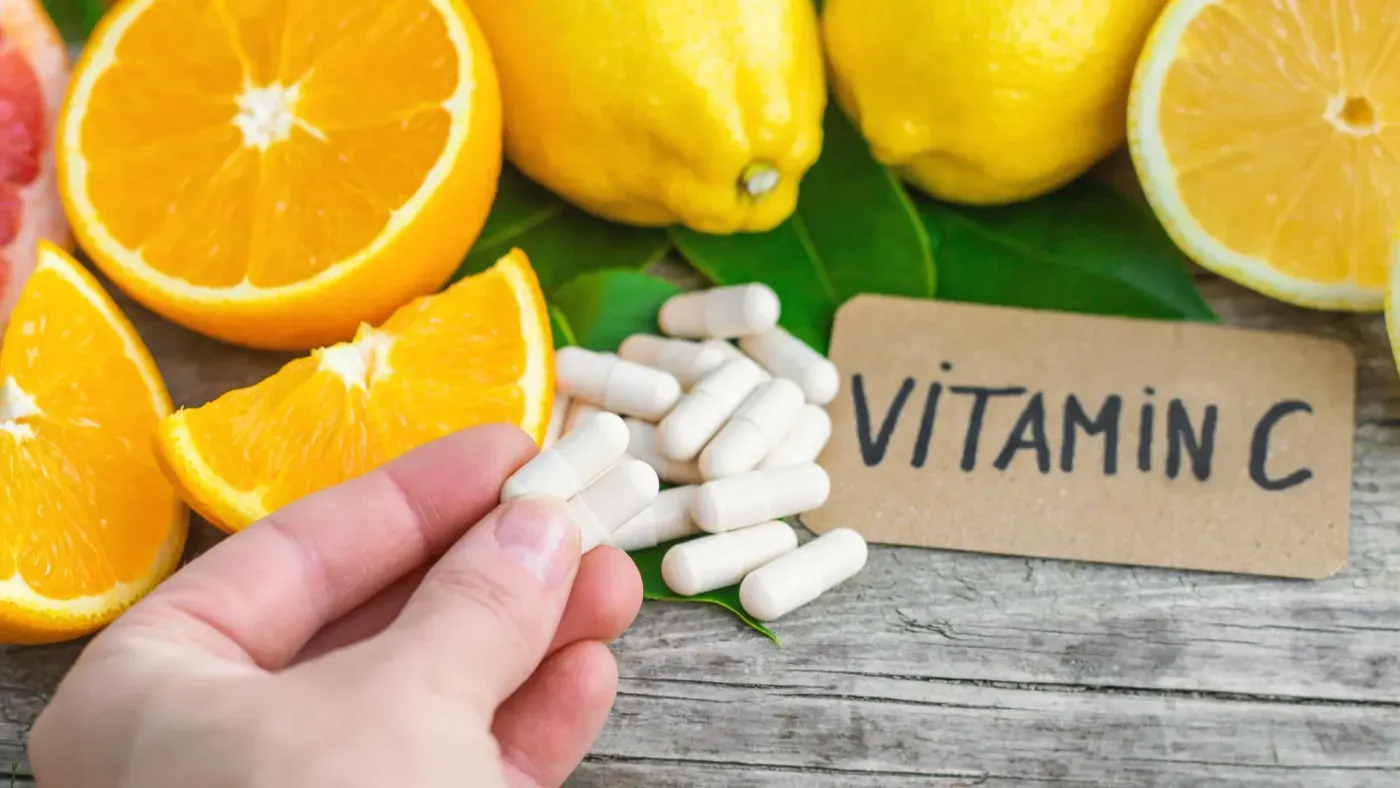
These pathways are critical for various bodily functions, including DNA synthesis, fatty acid metabolism, and energy production. The scientists found that providing additional vitamin B12 could counteract these changes and restore normal metabolic processes in the affected worms.
We were surprised to find that a change in RNA processing had such a targeted effect on vitamin B12-dependent metabolism, notes Jonathan Kölschbach, first author of the study. This finding suggests that modifying one fundamental process can have a significant impact on related metabolic pathways.
The researchers then examined publicly available datasets from human cells to explore whether their findings might also apply to people with Verheij syndrome. They discovered evidence of similar metabolic changes in humans, indicating that vitamin B12-related pathways may play a role in the disorder.
Working with neuropediatrician Hormos Dafsari at the University Hospital Cologne, the researchers collected blood samples from patients diagnosed with Verheij syndrome. These investigations have provided promising insights into the potential benefits of vitamin B12 supplementation for treating this rare genetic disorder.
The discovery suggests that metabolic disruptions play a more significant role in diseases caused by faulty RNA splicing than previously thought.
This revelation has sparked hopes for the identification of new therapeutic strategies, potentially applicable to other rare genetic conditions beyond Verheij syndrome.
According to Adam Antebi, Director at the Max Planck Institute for Biology of Ageing and lead author of the study, Our research demonstrates how basic inquiry into model organisms can yield valuable insights into human diseases.
Understanding these connections could pave the way for novel treatments, ultimately benefiting individuals affected by a range of rare genetic conditions.
Facts based on reporting originally published by ScienceDaily Health.
You may republish this story, in full or in part, if you credit Noti Group and link to it (licence CC BY 4.0). Photos are not included.