






Xona Space Systems Prepares for Satellite Launch This Month
Xona's commercial GPS alternative aims to provide precise navigation and timing capabilities with improved signal strength and reduced costs.
Xona Space Systems is on the verge of launching six satellites into orbit this month, marking a significant milestone in the development of its commercial GPS alternative.
The service aims to provide precise navigation and timing capabilities that are currently lacking in existing government-provided satellite networks. These systems, built by Europe, China, and Russia, offer significant value but have limitations when it comes to precision and susceptibility to jamming.
Xona's founders, a group of five engineers who met at Stanford University's aerospace engineering graduate program, identified an opportunity to disrupt the market with their innovative approach. One of the team members, Tyler Reid, even wrote his PhD thesis on the potential of low-earth orbit satellites for improving navigation.
The idea behind Xona's solution is to provide a more robust and precise alternative to traditional GPS systems. These are often used in applications such as farming robots and self-driving cars, which require higher levels of accuracy than what current government-provided networks can offer.
According to Xona CEO Brian Manning, the initial skepticism about replacing GPS was eventually overcome by a deeper understanding of the market. "People think of GPS as a free service," he said, but the market isn't the service, it's the hardware.
Developing a commercial GPS alternative has proven to be a complex task for Xona, requiring significant technical expertise and innovation.
The company's engineers have tackled two major technical hurdles: improving signal strength while reducing costs, and ensuring compatibility with existing GPS receivers through a simple software update. This not only allows Xona to enter the market quickly but also facilitates regulatory approval for broadcasting navigation signals.
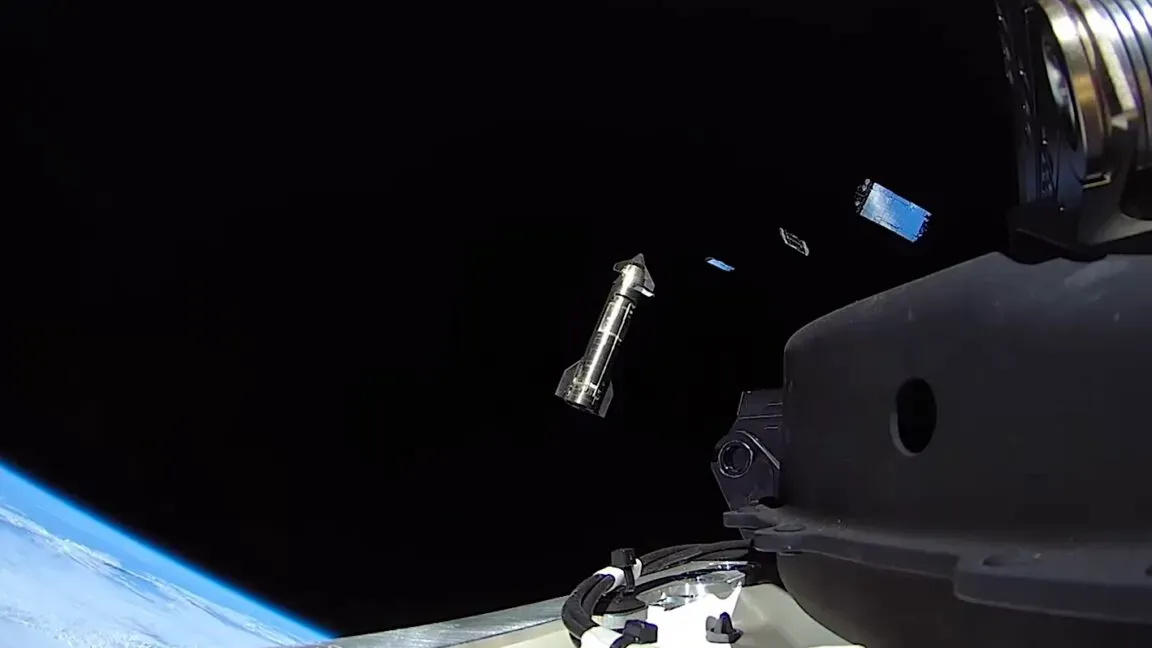
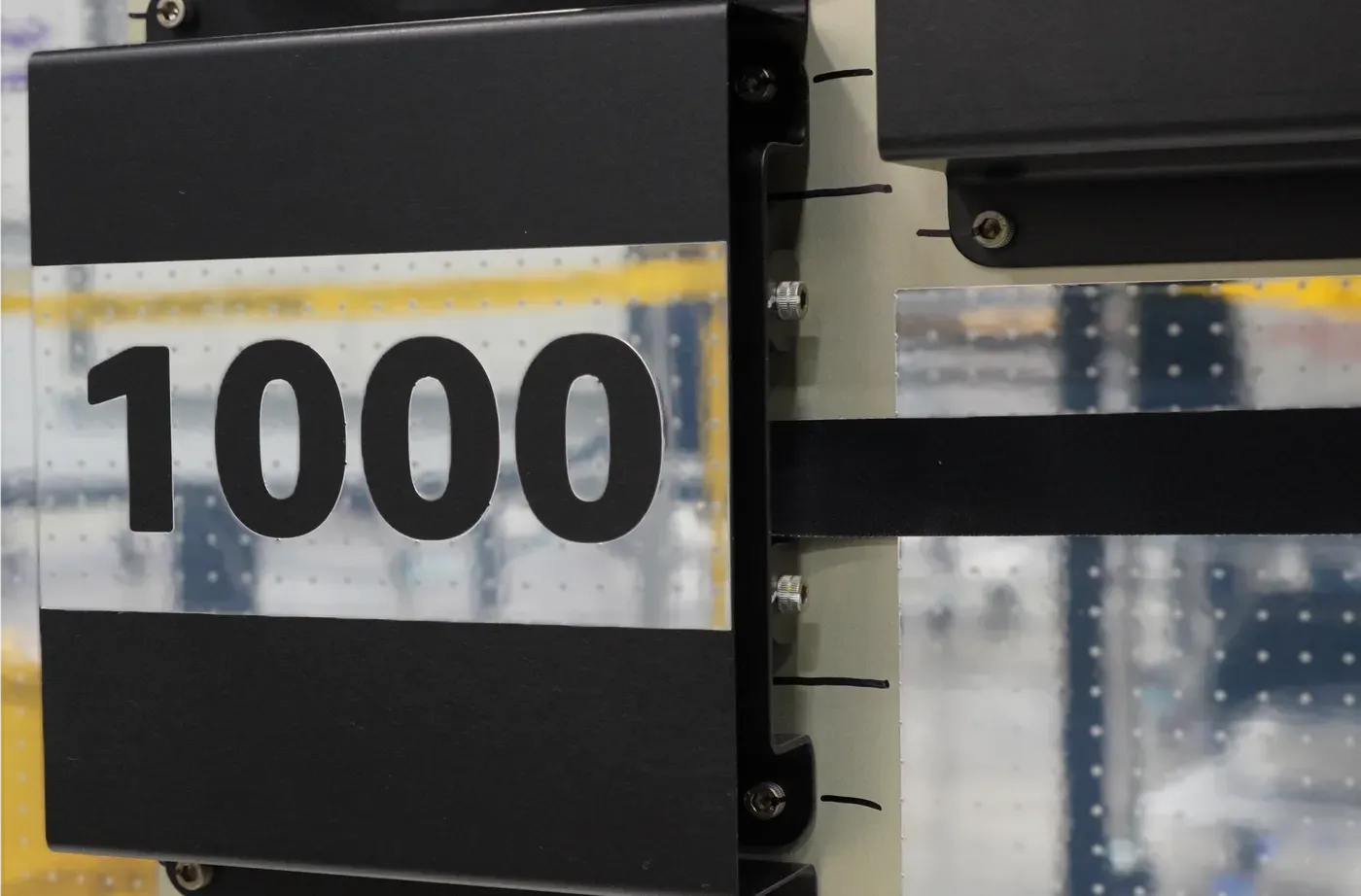
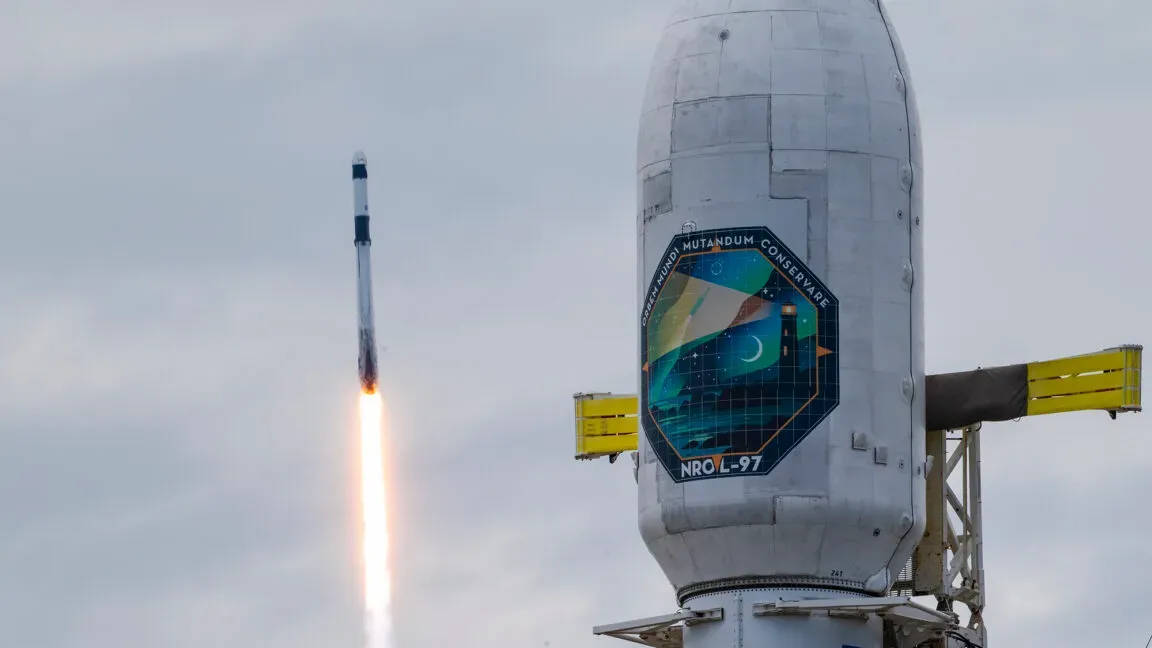
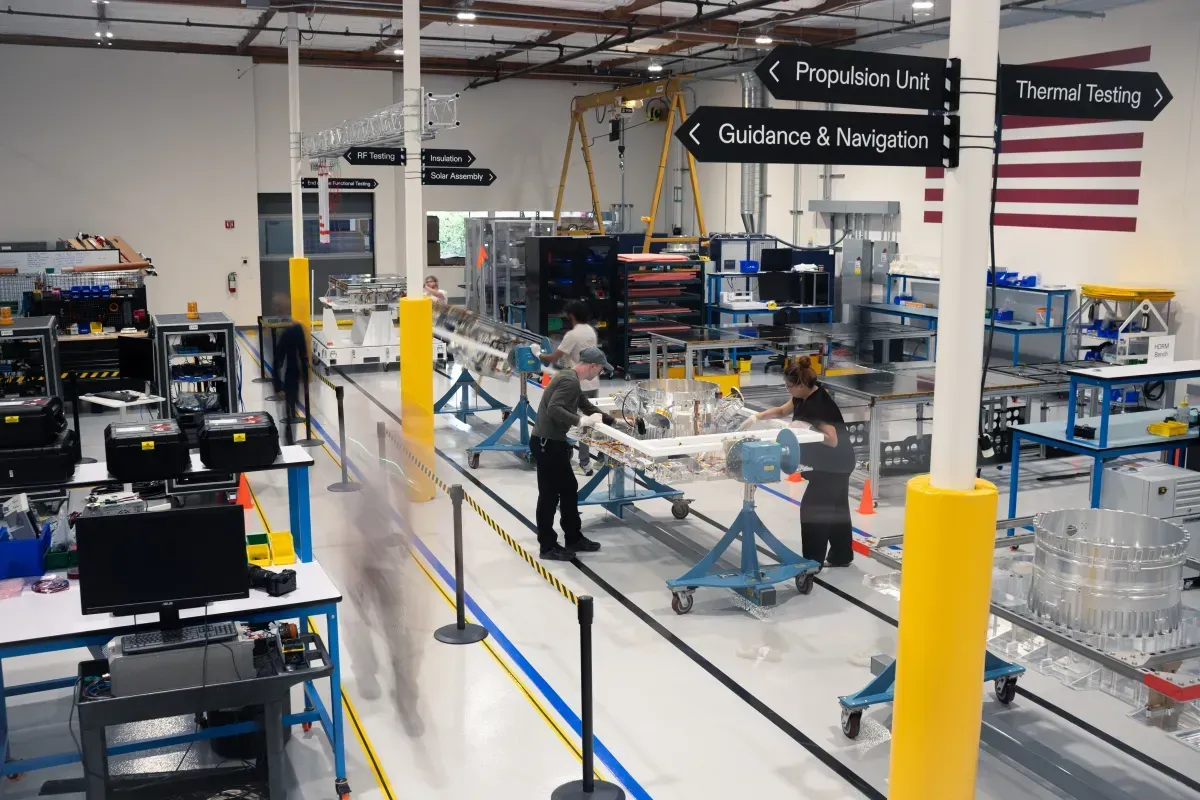
Later this month, SpaceX is set to launch six satellites that will form part of Xona's operational constellation called Pulsar. The satellites are divided into two groups: four built around Aerospace Labs' satellite platform, similar to a prototype launched last year, and two constructed entirely by Xona at its California headquarters.
The Pulsar constellation is designed to provide centimeter-level precision for geolocation, surpassing the meter-level accuracy offered by traditional GPS. Its signal strength also enables detection in urban environments, such as inside buildings, and could potentially counteract attempts to jam or spoof navigation signals.
Xona's technology aims to offer a more robust and reliable alternative to existing GPS systems, with its Pulsar constellation poised to become a key component of this vision.
Once Xona's satellites reach orbit, they will begin passing overhead mid-latitudes about eight times a day, allowing for beta-testing with real customers.
This testing phase is crucial as it enables engineers to verify and refine the timing provided by Pulsar in various locations around the world. Companies like TimeBeat, which specializes in electronic timing, can utilize this opportunity to fine-tune their devices' performance. The initial pilot will be a significant milestone for Xona's technology.
Xona has secured substantial funding from venture investors since its inception, totaling just over $300 million. Notably, the U.S. Space Force has invested $20 million in the company. This backing underscores the government's interest in Pulsar's capabilities, particularly as concerns about satellite navigation jamming and spoofing escalate.
As Xona continues to develop its technology, it is also looking towards a future where autonomous vehicles play a significant role. Reid, the CTO and a self-driving car expert from his work at Ford, recognizes that a precise timing signal like Pulsar will be essential for realizing the full potential of autonomous vehicles in various industries.
Xona's headquarters is strategically located near San Francisco International Airport, offering a unique view of aircraft landing and taking off. This vantage point serves as a reminder to the company's leaders of the high standards set by civil aviation in terms of safety.
The company's vision for its technology is to replicate this level of safety in autonomous vehicles, allowing drivers to feel secure enough to take their hands off the wheel. By providing a reliable and precise navigation system, Xona aims to revolutionize the transportation industry.
The reliability of commercial GPS systems has been questioned in recent years, with many users experiencing delays or disruptions in service. In response, Xona has developed an alternative that promises improved accuracy and reduced latency, making it an attractive option for industries where precision is paramount.
While Xona's technology has significant potential applications beyond transportation, its founders are keenly aware of the importance of safety in this sector. By mirroring the standards set by civil aviation, they hope to establish trust with consumers and pave the way for widespread adoption of autonomous vehicles.
Xona's commercial GPS alternative is nearing its launch, aiming to establish trust and pave the way for widespread adoption of autonomous vehicles by mirroring civil aviation standards.
The company hopes that this approach will reassure consumers about the safety and reliability of their technology, ultimately leading to increased adoption in various industries such as transportation and logistics.
Facts based on reporting originally published by TechCrunch.
You may republish this story, in full or in part, if you credit Noti Group and link to it (licence CC BY 4.0). Photos are not included.