





Elon Musk Accuses Oligarchs of Blocking Starlink Launch in India
India's Ministry of Communications has rejected Elon Musk's accusations, stating that their regulatory framework for satellite communications is fair and non-discriminatory.
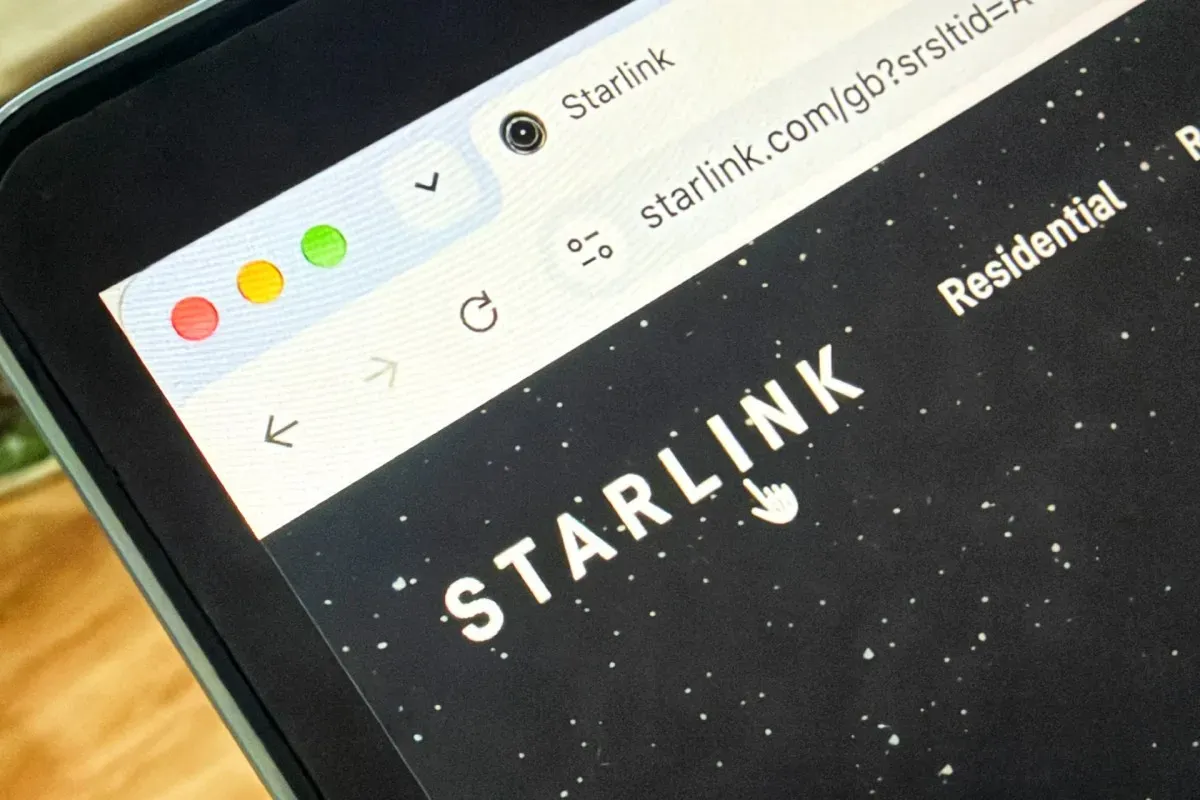
India's Ministry of Communications has responded to Elon Musk's claim that Starlink is being unfairly blocked from launching in the country. The ministry rejected Musk's accusations, stating that their regulatory framework for satellite communications is "fair and non-discriminatory."
The statement from the ministry came hours after Musk made public his claims on social media, accusing unnamed "oligarchs of blocking Starlink's launch to maintain a monopolistic chokehold on India. He argued that this alleged blocking was a crime against the people of India," and claimed that Starlink could provide affordable high-speed internet to those who lack access.
The ministry's statement also addressed the regulatory status of Starlink, stating that it is at the same stage as two other licensed satellite operators in the country. All three companies are undergoing security assessments before they can seek spectrum, which is essential for satellites to send signals.
Starlink has been trying to enter India for over five years, a market with more than a billion internet subscribers. Despite securing key regulatory approvals and partnering with major telecom operators like Reliance Jio and Bharti Airtel last year, the company has yet to begin commercial services in the country.
SpaceX set up a local team to prepare for the launch, appointing Prabhakar Jayakumar, former Payoneer executive, as the head of its India operations in December. The company's efforts to enter the Indian market have been ongoing despite the challenges and regulatory hurdles it has faced.
Lauren Dreyer, vice president of business operations at Starlink, made a statement at the India Mobile Congress in New Delhi reaffirming the company's commitment to the Indian market. She emphasized that Starlink is ready to provide its services in the country and support Prime Minister Narendra Modi's goal of achieving universal connectivity nationwide.
Starlink has already established a significant presence in India with over 20 gateway sites, which are ground stations linking satellites to the internet, and hundreds of antennas on the ground. The company claims to have adapted its operations to meet India's regulatory requirements, security needs, and data sovereignty standards.
In contrast to concerns about competition, Starlink has positioned its satellite network as a complement to India's existing terrestrial telecom networks rather than a replacement for them. This approach aims to integrate Starlink's services with the country's existing infrastructure.
SpaceX first attempted to launch Starlink in India back in 2021 but had to refund preorders for its equipment in early 2022 after the Indian government raised concerns about the company offering satellite internet services without proper licenses.
Starlink has also been involved in a dispute with India's largest telecom operators over how satellite spectrum should be allocated. The company initially pushed for administrative allocation of spectrum, while Reliance Jio advocated for an auction-based approach that could have made Starlink's entry more expensive.
The Indian government's stance on satellite internet services has significant implications for companies like Starlink. In addition to its own plans, Reliance Jio is developing a satellite broadband service in partnership with SES. Airtel, another major telecom operator in India, has also invested heavily in Eutelsat OneWeb, which is one of the licensed satellite operators in the country.
This development underscores the growing competition in the Indian market for satellite internet services. With multiple players vying for a share, the regulatory landscape becomes increasingly complex. The government's decision to reject Starlink's claim of discrimination may have significant implications for the company's plans in India.
Starlink has been expanding its reach globally, and its recent launch of Starlink Mobile in Bangladesh suggests that it is continuing to pursue opportunities in neighboring countries. However, the timing of the Indian launch remains uncertain, with no official announcement from the company or the relevant authorities.
The situation highlights the complex interplay between regulatory decisions and business strategies in emerging markets like India. As companies like Starlink navigate these challenges, they must also contend with the ambitions of domestic players who are investing heavily in satellite internet services.
India's space agency has rejected Elon Musk's claim that the country is discriminating against Starlink by imposing strict regulations on its satellite internet services.
The Indian government's decision to reject Musk's claim comes as domestic players are investing heavily in satellite internet services. These companies are seen as posing a significant challenge to international players like Starlink, which have been expanding their presence globally. Despite this competition, the Indian market for satellite internet remains largely untapped, offering opportunities for both domestic and foreign companies to establish themselves. The regulatory environment will play a crucial role in determining the future of satellite internet services in India.
Facts based on reporting originally published by TechCrunch.
You may republish this story, in full or in part, if you credit Noti Group and link to it (licence CC BY 4.0). Photos are not included.