





Silicon Valley AI Researcher Launches Invite-Only Beta of Private AI Assistant Underdog
Sigil Wen, a self-taught coder who gained experience in Silicon Valley's AI community, has launched Underdog, an invite-only beta of a new private AI assistant.
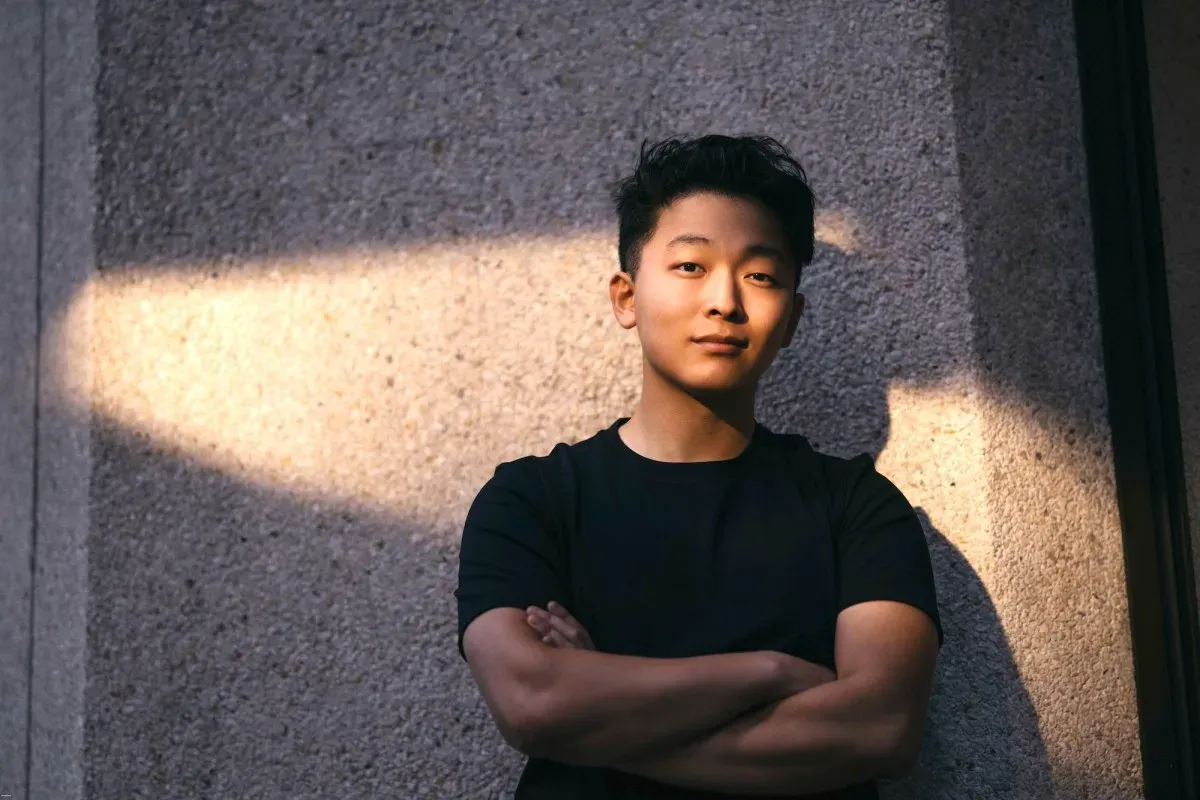
Sigil Wen, a self-taught coder who gained experience in Silicon Valley's AI community, has launched Underdog, an invite-only beta of a new private AI assistant. This latest development marks a significant milestone for Wen, who started coding at the age of 17 and quickly made a name for himself among prominent figures in the field.
Wen's early days were spent living in an AI hacker house alongside renowned researcher Andrej Karpathy, where he collaborated with future big names in AI. His work involved testing and refining early versions of various tools that would later become well-known, including chatbots and image generators from notable companies like Anthropic and OpenAI.
Wen's experience and expertise were also sought after by prominent investor Naval Ravikant, who hired him to work on Airchat, a social network rivaling Clubhouse. This opportunity allowed Wen to hone his skills and gain valuable industry insights, further solidifying his position in the AI community.
In his free time, Wen demonstrated an impressive level of ingenuity by figuring out how to run GPT-2 on his Apple Watch, describing this period as "magical. This anecdote showcases not only Wen's technical prowess but also his passion for exploring the possibilities of AI.
The launch of Underdog marks a significant step forward in Wen's career as an entrepreneur. The new AI assistant is unique in that it runs entirely on-device, ensuring users' data remains secure and private on their existing devices, with support for Macs, Windows PCs, Linux, iPhone, and Android soon to follow.
The new AI assistant from Silicon Valley's AI wunderkind is built on an inference engine called Husky, which was designed to run quickly and efficiently on existing devices. This approach allows Underdog to move less data between the computer's main chip and its graphics chip compared to other on-device engines.
Underdog boasts several security features, including encryption of keys for email and other accounts that users grant access to. This ensures their sensitive information remains protected from potential threats. The app also has a unique architecture that keeps user data private, as it runs entirely on the device without relying on cloud services.
The AI model powering Underdog is smaller in scale compared to those used by its competitors, with a 27-billion parameter reasoning model fine-tuned from Qwen3.8-27B. This may seem like a limitation, but Wen argues that it's comparable to Claude Opus 4.6 in certain benchmarks and can handle everyday tasks such as research or answering math questions.
Wen claims that Underdog doesn't require users to sacrifice their privacy for functionality, citing its ability to perform complex tasks without needing to send sensitive data to the cloud. He also notes that smaller on-device models will continue to improve over time, allowing them to tackle increasingly sophisticated tasks.
The business model behind Underdog is noteworthy in that it's free and ad-free, with costs kept low due to the app running locally rather than relying on cloud services. This approach eliminates the need for a subscription or advertising revenue, making it an attractive option for users seeking private AI assistance without the burden of ongoing expenses.
Underdog's approach to monetization is a departure from the traditional subscription-based model used by many AI assistants. Instead, the company will take a small percentage of payment transactions made through its secure payment rails powered by Stripe.
This fee-based model eliminates the need for Underdog to collect and sell user data, allowing it to maintain a high level of user privacy. The approach is similar to how banks and credit card providers operate, where users are not required to surrender their private information in exchange for financial services.
The move is a deliberate attempt by Wen to create an AI assistant that prioritizes user privacy above all else. As he notes in his AI manifesto", using AI should not require sacrificing one's personal data. This stance has significant implications for the industry, where many companies rely on collecting and monetizing user data to drive revenue.
By avoiding the need for data collection, Underdog can offer a more transparent and trustworthy experience for its users. Wen's goal is to build a product that he would be proud to use himself, and one that his future children could safely utilize without compromising their privacy.
The startup behind Underdog is called Conway Research and boasts a notable list of investors, including Andreessen Horowitz partner Chris Dixon and Khosla Ventures.
Conway's investor roster also includes prominent angel investors like Vercel founder Guillermo Rauch, Noam Brown, and Deedy Das. These individuals join the ranks of other big-name backers already mentioned in this series.
The startup's funding is likely to be used to further develop its product, which promises to provide users with a private alternative to existing personal AI assistants.
Conway Research aims to create a service that balances user convenience with robust data protection and transparency.
A recent breakthrough in geothermal energy has seen the completion of the world's first enhanced geothermal system power plant, achieved in a remarkably short timeframe of just 23 months.
The tech industry continues to advance at breakneck speed, with Google unveiling its latest AI model, Gemini 4 Argon, touted as its most powerful yet. Meanwhile, Elon Musk and Palmer Luckey have been tapped by the Pentagon for their expertise in shaping the military's future plans.
Facts based on reporting originally published by TechCrunch.
You may republish this story, in full or in part, if you credit Noti Group and link to it (licence CC BY 4.0). Photos are not included.