






Measles No Longer Eliminated in US After 25 Years
The Pan American Health Organization has determined that measles is now endemic in the United States due to ongoing outbreaks.
The United States has lost its official status as a country free from measles, a designation it had held for over 25 years. This decision was made by the Pan American Health Organization (PAHO) after reviewing the country's epidemiological evidence with a panel of eight scientific experts.
Following a thorough examination, PAHO determined that the highly contagious virus is now endemic in the US, meaning it is consistently present and spreading throughout the country. The organization based its conclusion on 12 months of continuous transmission, which has led to ongoing outbreaks.
The decision to withdraw measles elimination status was made by Dr. Jarbas Barbosa, director of PAHO, who accepted a recommendation from an independent panel of experts. This move acknowledges that measles is no longer eliminated in the US but instead spreads regularly throughout the country.
Measles outbreaks have been fuelled by declining childhood vaccination rates and growing vaccine hesitancy across America. The consequences have been severe, with thousands of people infected and a tragic loss of life resulting from preventable deaths.
The World Health Organization's partner in the Americas, PAHO, is working closely with countries to strengthen their response to measles outbreaks. This includes ramping up vaccination efforts and improving surveillance systems to quickly identify and contain cases.
Dr. Daniel Salas, executive manager of PAHO's Special Program for Comprehensive Immunization, notes that countries are taking proactive steps to control the spread of the disease. He highlights the US as an example where vaccination efforts are being intensified in areas with low immunization coverage experiencing outbreaks.
The Centers for Disease Control and Prevention (CDC) has announced its commitment to supporting states and local partners in preventing and responding to measles outbreaks. In a recent release, CDC Director Dr. Erica Schwartz emphasized that vaccination is the key to protecting Americans from measles, not the elimination designation itself.
According to the CDC, significant investments have been made in state and local health departments to reach communities where transmission is occurring. This includes $100 million allocated for outreach efforts in areas with low immunization coverage.
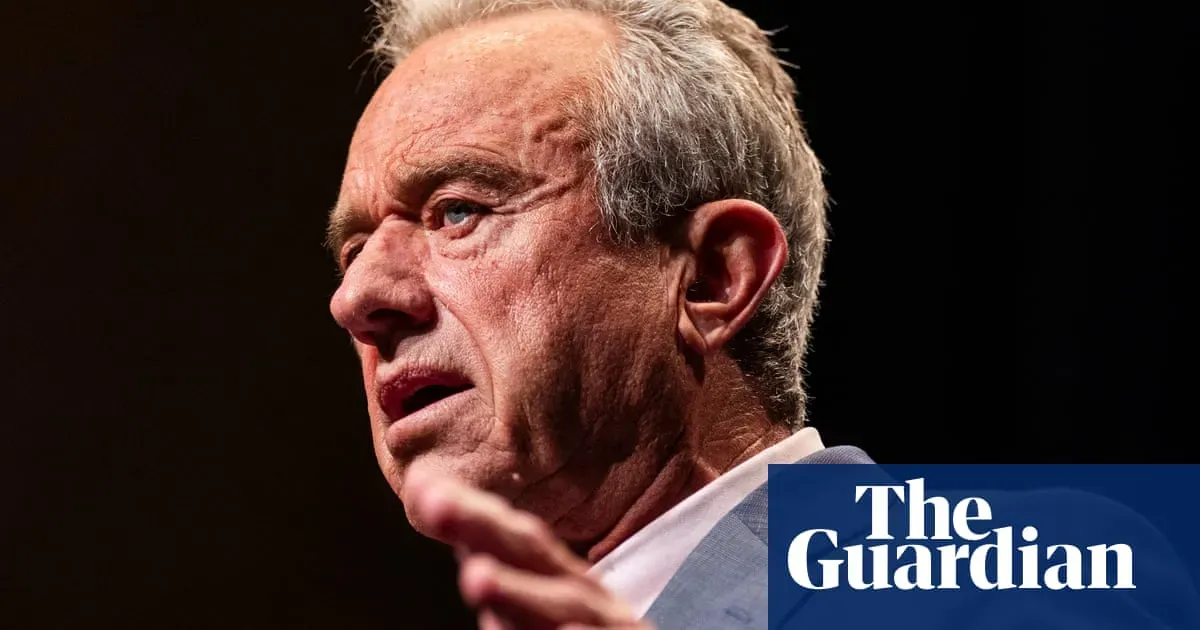
The loss of measles elimination status poses a challenge for the Trump administration's Health and Human Services Secretary Robert F. Kennedy Jr., who has been vocal about questioning the safety of childhood vaccines without evidence.
The Centers for Disease Control and Prevention seems unlikely to alter its approach to measles despite the country's loss of measles elimination status. This stance was reinforced by CDC Director Dr. Erica Schwartz last week, who stated that the agency would continue doing what it has been doing if the U.S. loses its measles-free designation.
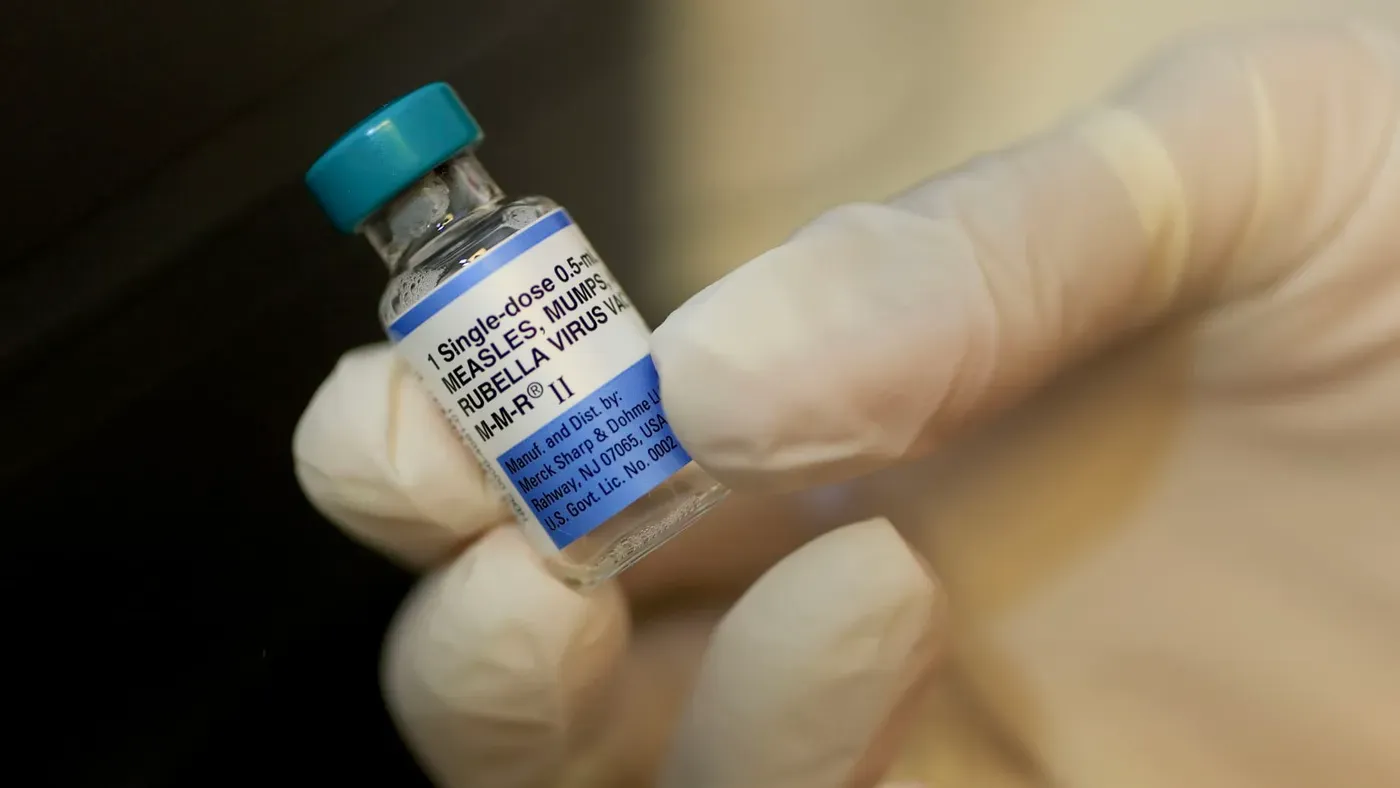
According to Schwartz, this means reemphasizing that vaccination is the most effective way to prevent measles. The CDC works closely with states to contain outbreaks and relies on the MMR vaccine as the primary tool in this effort. This approach has been consistent despite growing concerns about the nation's public health system.
The return of measles in the U.S. highlights weaknesses in the country's public health infrastructure, raising fears that other eliminated diseases may make a comeback. Trust in health institutions is eroding, and persuading people to protect themselves, their families, and communities has become increasingly challenging.
Public health experts point out that the resurgence of measles can be attributed to declining vaccination rates among children. The MMR vaccine is highly effective, with two doses providing about 97% protection against measles and a single dose offering 93% protection.
Data from the CDC indicates that vaccination coverage for kindergarteners fell below the recommended threshold in the 2025-2026 school year, standing at 92.4%. This level of coverage is lower than the 95% mark public health officials generally recommend to prevent sustained measles transmission.
The economic toll of the ongoing measles outbreaks in the US is substantial, with estimated costs reaching nearly $83 million this year alone. This figure breaks down into $56 million for public health response efforts, almost $25 million for lost productivity, and over $1.8 million for direct medical expenses.
The loss of measles elimination status by the US joins several other countries, including Canada, Spain, and the UK, which have also recently been reclassified as having ongoing measles transmission. Despite this setback, the US remains a member of PAHO, its Americas branch within the World Health Organization.
Facts based on reporting originally published by CNBC.
You may republish this story, in full or in part, if you credit Noti Group and link to it (licence CC BY 4.0). Photos are not included.