






ChatGPT Dominates Consumer AI Market Despite New Presence
A report by Andreessen Horowitz highlights a mixed picture for consumer AI, with some players struggling while others show resilience. ChatGPT dominates the market despite its relatively new presence.

A report by Andreessen Horowitz highlights a mixed picture for consumer AI, with some players struggling while others show resilience. At the top of the list is ChatGPT, which dominates the market despite its relatively new presence.
However, other smaller companies such as Suno and ElevenLabs are bucking the trend by maintaining their footing in the industry. What's more intriguing is the numerous categories that appear to be untouched by AI technology, with at least six consumer areas showing little to no involvement from AI developers.
Olivia Moore, a partner at Andreessen Horowitz who covers consumer AI, believes there is a significant opportunity for growth in this sector. According to her report on the top 100 consumer AI apps, tapping into revenue streams beyond subscriptions and API charges could be key to unlocking future success.
In an interview with this publication, Moore discussed the unusual economics of consumer AI, citing the limited range of revenue sources as a major challenge for developers. Despite concerns about the industry's viability, Moore remains optimistic about its potential.
OpenAI's decision to pivot towards enterprise solutions has sparked pessimism about the overall revenue picture for consumer AI. However, Moore views this shift as an expansion rather than a retreat from consumer-focused initiatives.
The report highlights that most of the current AI revenue comes from subscriptions and token usage, which is concentrated on the enterprise and prosumer side.
The current landscape of consumer AI products faces a significant challenge in generating revenue, as indicated by the State of Markets report's finding that only 2.2% of U.S. households are paying for AI services.
Olivia Moore from A16z believes that increasing this user number may not be the most desirable outcome, instead advocating for a shift towards monetizing consumers through means other than subscription fees. This approach would allow users to access AI products without having to pay out-of-pocket for them.
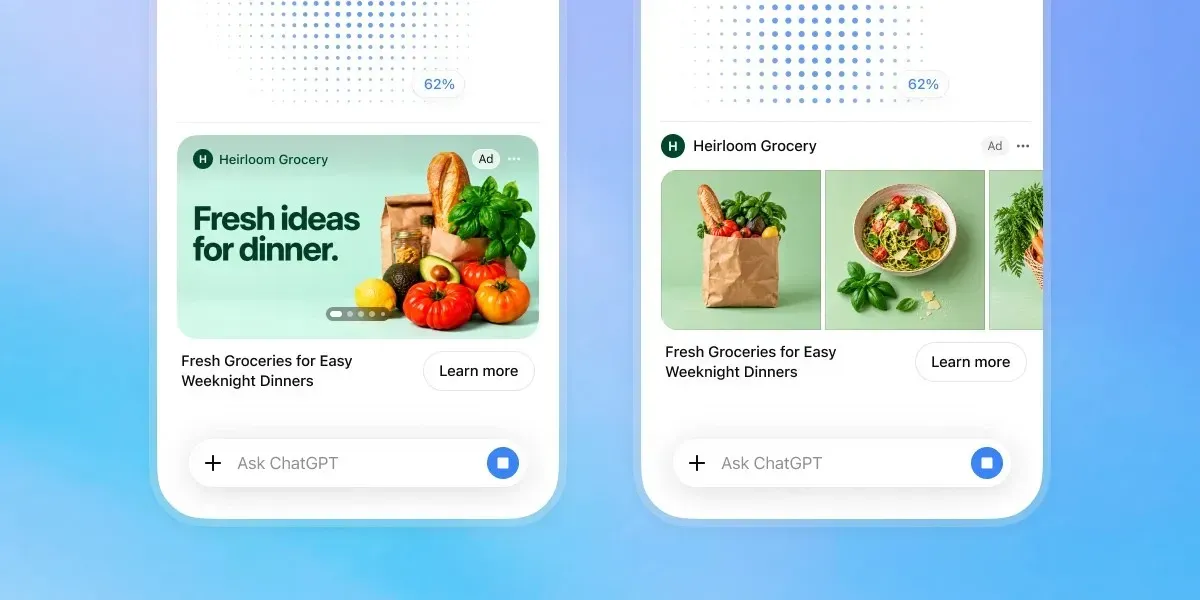
In her view, consumers are more likely to prefer free access to AI services with optional ad-supported models, allowing them to choose whether or not to subscribe and remove ads. This is particularly relevant in the context of Silicon Valley, where high-income individuals may be more willing to pay for premium products but represent a small proportion of the overall market.
One key challenge facing consumer AI product developers is the relatively high marginal cost of providing these services compared to traditional internet offerings like Facebook or Google Search. Moore suggests that companies are exploring ways to reduce these costs through open-source models and other lightweight approaches.
Recent developments, such as ChatGPT's introduction of a $8-per-month "Go plan, indicate progress in this direction. These cheaper models can cater to consumer use cases where advanced intelligence is not required, freeing up resources for more complex applications.
The trend towards open-source models may also lead to increased innovation and adoption among consumer companies, which are beginning to build on top of these lighter-weight AI solutions. This shift could potentially alter the revenue dynamics of the market by making AI services more accessible and affordable for a broader range of users.
The current state of user adoption in AI is skewed towards technical automation, where high-end models are used to drive revenue. However, as more companies focus on developing consumer-facing AI services, there's a potential shift towards using lower-cost models that can cater to a broader audience.
This shift could also blur the lines between consumer and enterprise markets. Historically, companies have taken a long time to transition from being consumer-first to adding enterprise plans. For instance, Canva took six or seven years to expand into teams or enterprise plans before AI.
The rise of prosumer AI is another notable trend in the industry. Many so-called consumer" AI services are actually used by power users who pay for premium features. These services include product-building apps like Lovable and Replit, AI ad generators such as Higgsfield and HeyGen, and work management tools like Manus and Fireflies AI.
These prosumer AI services often start out as consumer-focused but quickly gain traction among enterprise customers within a relatively short period of 18 months or less. This rapid adoption has led to the majority of these businesses becoming majority-enterprise in a surprisingly short timeframe.
The fact that most consumer AI services are actually used by power users rather than casual consumers highlights the need for more accessible and affordable AI solutions. As companies continue to develop AI services, there's an opportunity to create models that can be used by a wider range of users, potentially altering the revenue dynamics of the market.
The development of consumer-facing AI services has been a slow burn so far, with many categories still waiting for their first entrants in the market.
Notably absent from the top 100 list are several whitespace categories that one might expect to see represented, including social apps, dating apps, and travel platforms.
These omissions suggest that companies have yet to develop AI services that can effectively meet the needs of everyday consumers, who are likely looking for more intuitive and user-friendly interfaces.
The absence of these categories from the market may be due in part to the complexity of developing AI systems that can navigate the nuances of human interaction.
As a result, it remains to be seen whether companies will be able to create truly consumer-facing AI services over the next six months.
A recent departure from OpenAI has shed light on the challenges facing companies in developing trustworthy and transparent artificial intelligence (AI) services for consumers.
The employee's resignation comes as a warning sign that companies may struggle to create AI services that meet consumer expectations over the next six months. This is particularly concerning, given the growing demand for AI-powered products and services across various industries. The outcome of this challenge will likely determine the future of AI in consumer-facing applications.
Facts based on reporting originally published by TechCrunch.
You may republish this story, in full or in part, if you credit Noti Group and link to it (licence CC BY 4.0). Photos are not included.