







Retailers Reduce Number of Products Sold to Boost Profitability
Several major retailers have announced plans or completed efforts to reduce their stock keeping units (SKUs) in an effort to improve financial health.
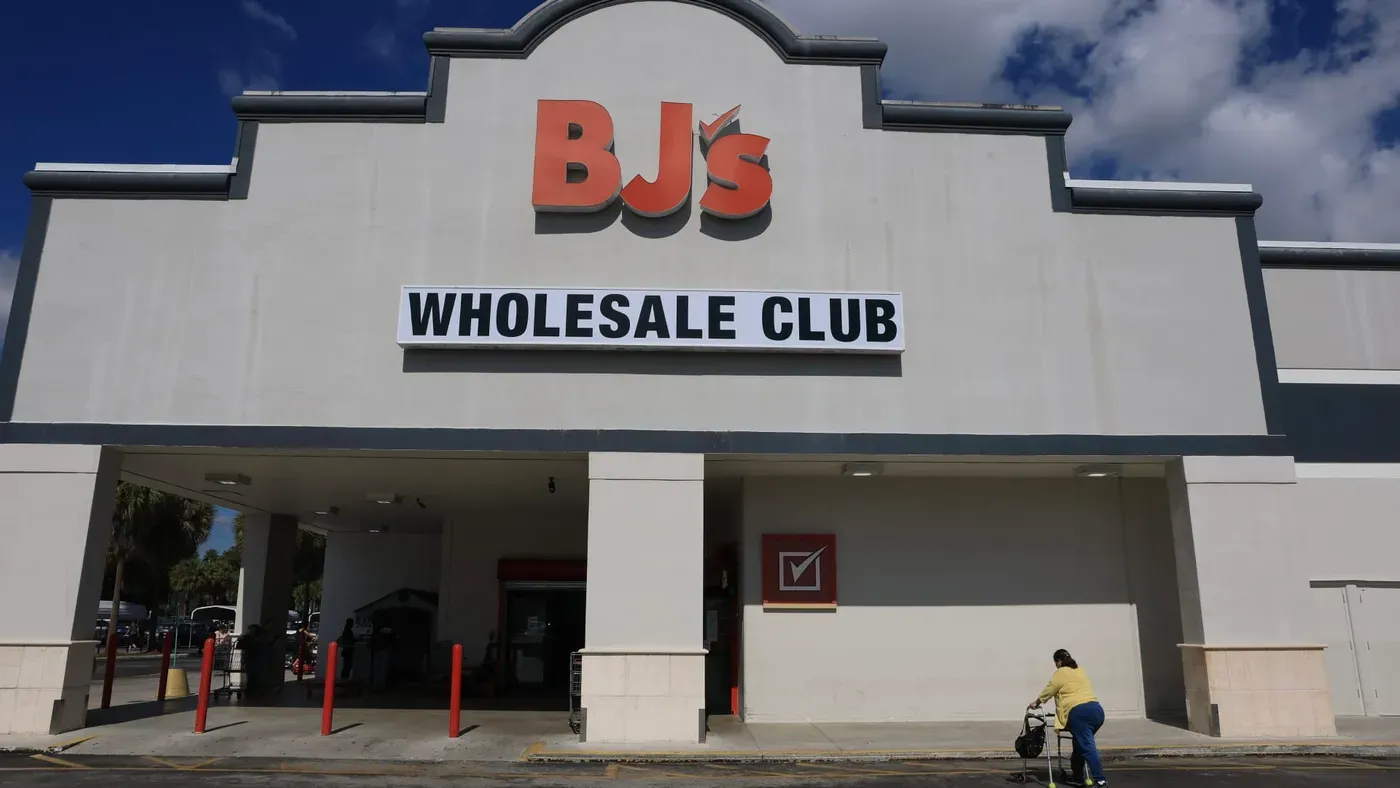
Retailers are cutting back on the sheer number of products they sell in a bid to improve their financial health.
Several major retailers have announced plans or completed efforts to reduce their stock keeping units (SKUs), which is industry parlance for the total count of distinct items sold. This includes Dollar General, which revealed it had trimmed 1,500 SKUs in March, and Under Armour, which has already cut its SKUs by a quarter over recent years.
BJ's Wholesale Club has similarly stated that it intends to reduce roughly 20% of its SKUs, while Lululemon reported cutting North America SKUs by 15%. These moves are part of a broader trend among retailers seeking to boost profitability and appease investors as consumers scale back their spending in response to high gas and food prices.
Reducing the number of items sold can help companies stabilize sales or even achieve growth, while minimizing the risk of being stuck with unwanted inventory. However, this move also means that customers will have fewer options when shopping at these stores.
Retailers often struggle to sell certain products, leading to discounting which in turn hurts profitability. While some level of markdowns is inevitable when trying out new products, frequent or prolonged promotions can cause problems for businesses.
Under Armour's operating income has turned negative in recent years, highlighting the company's struggle to maintain profitability despite growing sales. This trend is a concern for investors who see it as a sign that the company is relying too heavily on markdowns to drive revenue.
The negative operating income has been a recurring issue for Under Armour, with the problem persisting from fiscal 2025 to 2026. In response, CEO Kevin Plank emphasized the importance of quality over quantity in product offerings, stating that the company aims to sell fewer products at higher prices rather than chasing after short-term revenue.
Under Armour's shift towards a more focused approach is part of a broader trend in the retail industry, where companies are recognizing the need to regain pricing power and reduce markdowns. By offering fewer products with greater purpose, retailers can create a clearer reason for customers to buy their products at full retail price.
Lululemon has also been impacted by its reliance on sales volume, despite growing its sales by over $500 million from fiscal 2024 to 2025. However, the company's operating profit fell by around $300 million in the same time period, highlighting the negative impact of excessive markdowns on profitability.
The issue with excessive product offerings is that it can dilute the value of a brand, even if the products themselves are high-quality. By offering too many options, retailers can create a perception that their products are not unique or desirable, ultimately undermining their pricing power and profitability.
Lululemon's U.S. sales reached $6.3 billion in fiscal 2025, a significant milestone that highlights the importance of striking the right balance between product offerings and profitability.
According to Siegel, companies typically reach a healthy saturation level when they generate around $3 billion to $4 billion in domestic revenue. This is where businesses can achieve scale without sacrificing their brand's exclusivity or perceived value.
Nike, however, stands out as an exception to this general rule. The apparel and footwear giant posted $20 billion in North American sales in fiscal 2026, a staggering figure that underscores the challenges of sustaining growth while maintaining profitability.
Despite its impressive numbers, Nike is also rebalancing its portfolio by reducing revenue from classic footwear franchises by more than $2 billion in fiscal 2026. This strategic move aims to refocus the company's offerings and stabilize its business.
For retailers like Dollar General and BJ's, cutting down their product assortment can help them better manage inventory and refine their offerings, but it may not necessarily enable them to raise prices.
Reducing product options appears to be paying off for some retailers as it allows them to manage inventory more efficiently and refine their offerings.
By cutting down on the number of scents available for body wash, for example, retailers can push sales into the remaining products on shelves, making room for new categories that may not have been offered before. This approach is being seen as a way to drive sales growth while also increasing profit margins.
Dollar General has reported success with this strategy, having eliminated 1,000 SKUs in June 2025 and up to 1,500 by March 2026. The additional shelf space allowed the company to focus on its best-selling products and streamline its supply chain.
The benefits of reducing product options extend beyond just inventory management, as it also enables retailers to get products to shelves faster and meet consumer demands more quickly. By being more productive in this area, retailers can gain a competitive edge over their competitors.
However, successfully slashing products from shelves is often easier said than done, with box stores risking customer loss if they eliminate too many options. For instance, BJ's previously attempted to cut SKUs but was unable to achieve the desired results.
Retailers are simplifying their product offerings to streamline operations and boost sales.
By reducing the number of stock-keeping units (SKUs), companies can eliminate unnecessary choice for customers and focus on best-selling items. This approach is being implemented across various industries, with some brands cutting back on redundant products that were previously offered in different formats, such as cans and bottles of the same product.
To manage investor expectations, publicly traded brands are framing revenue declines as a necessary step towards long-term growth. However, acknowledging a need to shrink revenues can be challenging for companies, especially when they have reached peak sales levels.
Facts based on reporting originally published by CNBC.
You may republish this story, in full or in part, if you credit Noti Group and link to it (licence CC BY 4.0). Photos are not included.