




Gaza's Healthcare System Struggles to Recover After Ceasefire Announcement
The healthcare system in Gaza is overwhelmed by a constant influx of trauma cases, with patients and medical workers struggling to cope despite the supposed ceasefire last year.
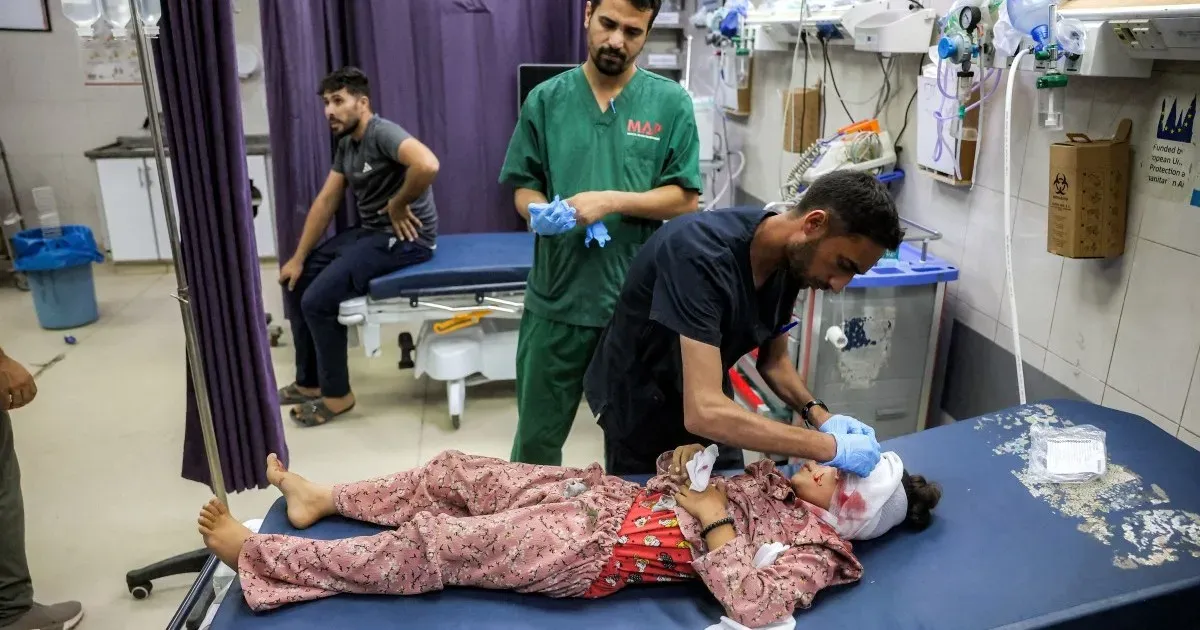
Gaza's healthcare system has been struggling to recover even after a year of supposed ceasefire, leaving patients and medical workers overwhelmed by the constant influx of trauma cases.
The conflict has taken a devastating toll on Gaza's infrastructure, including its healthcare facilities, which are still struggling to receive regular shipments of essential medicines and equipment. This lack of resources is further exacerbated by the restrictions on medical evacuations, making it difficult for those in need of specialized care to leave the territory.
Despite the hopes raised by the ceasefire announcement last October 10, the situation has only worsened with time, leaving Gaza's health system stretched to its limits. The constant bombardment by Israeli forces has resulted in over 1,470 fatalities since the supposed ceasefire began, with many more injured or displaced.
Gaza's patients are increasingly at risk even when seeking medical attention, as the security situation continues to deteriorate. In some areas of Gaza, services supported by Medical Aid for Palestinians have had to be suspended due to the escalating violence, leaving those in need without access to vital care.
A recent incident highlighted the dangers facing patients and healthcare workers alike, as a 65-year-old patient was killed by Israeli military fire while seeking treatment at a MAP-supported health centre in Jabalia last month. This tragic event underscores the dire situation facing Gaza's healthcare system and the urgent need for international support to address its pressing needs.
Gaza's healthcare system is struggling to cope with the aftermath of injuries sustained during the recent conflict, as well as chronic conditions that require ongoing treatment.
The influx of new patients has put a strain on medical facilities, which are already understaffed and under-resourced due to years of blockade and sanctions. Patients requiring lengthy treatments, such as those who have lost limbs in the conflict, face significant challenges in accessing necessary rehabilitation services, prosthetics, and follow-up surgeries.
Chronic conditions like anaemia and stunting among children who survived acute malnutrition also require ongoing treatment, while adults with diabetes and high blood pressure struggle to obtain essential medicines. Cancer patients are unable to receive radiotherapy due to a lack of equipment and supplies, further exacerbating an already dire situation.
The case of Iktimal, a woman who lost her life after developing cervical cancer, highlights the complexities and challenges faced by patients in Gaza. Despite undergoing surgery, her recovery was hindered by kidney complications that required specialist treatment unavailable in the territory.
Her family's experience with the medical evacuation process also underscores the bureaucratic hurdles that patients must navigate to access care outside of Gaza. The slow approval process by Israeli authorities meant that Iktimal's condition had deteriorated significantly before she could receive the treatment she needed, ultimately resulting in her tragic loss.
More than 15,000 patients in Gaza are still waiting for medical evacuation, according to the World Health Organization, a staggering number that highlights the dire state of healthcare in the region.
These patients are often left stranded due to bureaucratic delays and a lack of resources, putting their lives at risk. The consequences can be devastating, as seen in the case of Iktimal's family who was denied medical evacuation in time.
Hospitals in Gaza are struggling to provide even basic care due to shortages of essential supplies. Medical staff have reported running low on IV fluids, anaesthetics, and surgical equipment, making it difficult for them to perform life-saving procedures.
The shortage of oxygen is particularly alarming, with over 500 patients relying on it across the region. This includes people with serious conditions such as cancer and pulmonary fibrosis, as well as babies and children in intensive care units.
In recent months, the Palestinian Ministry of Health has warned that many oxygen stations are at risk of shutting down due to a lack of spare parts. Israeli authorities have been blocking shipments of these essential items, classifying them as "dual-use items, leaving Gaza's healthcare system on the brink of collapse.
Gaza's healthcare system is on the verge of collapse due to a lack of essential medical supplies, which have been blocked by Israeli authorities.
Doctors are being forced to make life-or-death decisions without access to crucial diagnostic tools and treatments, leading to delayed or inadequate care for patients. This has resulted in increased instances of cancer misdiagnosis, permanent disabilities from untreated injuries, and long-term health consequences for malnourished children. The situation is a stark reminder that the ceasefire agreement failed to deliver on its promise of allowing Gazans to heal and rebuild.
The restrictions imposed by Israeli authorities have not been lifted, despite the passage of time since the ceasefire". Patients like Iktimal, who was diagnosed with cancer only after being forced to seek treatment abroad, are just a few among thousands in Gaza whose lives have been put at risk due to these delays. Every week that passes without access to essential medicines and treatments means more patients will succumb to their conditions.
As the situation continues to deteriorate, it is clear that the international community must take action to address the humanitarian crisis unfolding in Gaza. The ongoing blockade of medical supplies has a direct impact on the health and well-being of thousands of people, and something needs to be done urgently to prevent further suffering.
Facts based on reporting originally published by Al Jazeera.
You may republish this story, in full or in part, if you credit Noti Group and link to it (licence CC BY 4.0). Photos are not included.