





US Centers for Disease Control and Prevention Allocates $1.6 Million for Controversial Vaccine Trial
A highly contentious vaccine trial has reignited controversy among health experts after reports emerged that the US Centers for Disease Control and Prevention is poised to allocate $1.6 million in funding for the project.
A highly contentious vaccine trial has reignited controversy among health experts after reports emerged that the US Centers for Disease Control and Prevention is poised to allocate $1.6 million in funding for the project.
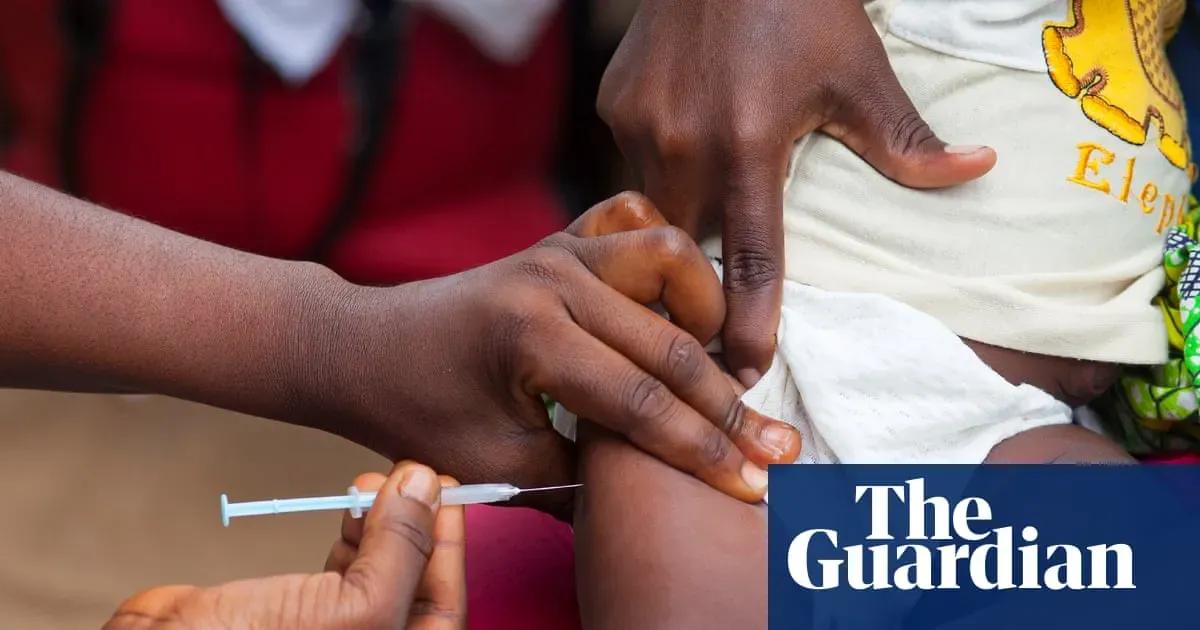
The proposed trial would involve exposing newborns in Guinea-Bissau to hepatitis B, putting them at significant risk of developing a lifelong infection that can lead to serious health complications such as liver cirrhosis and cancer.
The trial was initially suspended in January following widespread criticism over its design. Although it remains halted, internal documents suggest that the CDC is still eager to proceed with funding for the project. This decision has sparked outrage among experts who argue that the trial's risks far outweigh any potential benefits.
According to reports, the $1.6 million allocated for the trial would be diverted from global health security programs, potentially jeopardizing efforts such as combatting the ongoing Ebola outbreak in the Democratic Republic of the Congo.
The University of Southern Denmark research group led by Christine Stabell Benn and Peter Aaby will oversee a trial that aims to enroll 14,000 newborns in Guinea-Bissau if it proceeds as planned. Half of these infants would receive a hepatitis B vaccine dose at birth, while the other half would not be vaccinated.
Criticism has been mounting against the trial, with some questioning its ethics and scientific integrity. Stabell Benn and Aaby have faced scrutiny for their previous research studies that have been cited by anti-vaccine advocates, sparking concerns among researchers in the field.
The Danish couple is currently under investigation by local authorities over allegations of "falsification" and "scientific misconduct related to their earlier vaccine research. This investigation has added to the controversy surrounding the trial's legitimacy.
Guinea-Bissau officials have suspended the research due to ongoing reviews of its design, citing a lack of sufficient coordination among stakeholders. The decision to pause the study was made in light of these concerns and the need for further evaluation before proceeding.
The decision to pause the study has sparked heated debate about the ethics of withholding hepatitis B vaccinations from newborns.
Guinea-Bissau's high burden of hepatitis B means that unvaccinated newborns are at risk of developing a chronic and life-threatening infection.
The country is planning to introduce universal birth doses in 2028, but for now it lacks the resources and infrastructure to provide routine vaccinations.
Critics argue that withholding proven care from participants in a research study is unethical, regardless of resource constraints.
According to the Declaration of Helsinki, trials must provide the best proven intervention unless there are compelling methodological reasons not to do so.
The World Health Organization has expressed its concerns about the trial's premise, stating that it is based on hypothetical safety outcomes without sufficient credible evidence.
The revised trial design has attempted to address concerns by adding a question about hepatitis B infection to the mothers' questionnaire. However, this change does not seem to have alleviated worries that including an unvaccinated group in the study is inherently unethical.
Despite these reservations, the trial remains on hold pending final approval from Guinea-Bissau officials. The US Centers for Disease Control and Prevention (CDC) appears keen to move forward with the trial as soon as it receives clearance.
Researchers at the University of Southern Denmark have granted permission for the revised design, but this is not enough to get the study underway. According to Professor Jakob Grauslund, dean of the university's faculty of health sciences, Guinea-Bissau government approval is still required before the trial can begin.
The Stand Up for Science advocacy group has pledged to block the trial, citing its potential harm to vulnerable people and its questionable scientific merits. Colette Delawalla, CEO and founder of the organization, stated that her team will do it again" if necessary to prevent what they see as a gross violation of human rights.
The fate of the trial hangs in the balance as Guinea-Bissau officials weigh their decision on whether or not to grant final authorization.
Facts based on reporting originally published by Ars Technica.
You may republish this story, in full or in part, if you credit Noti Group and link to it (licence CC BY 4.0). Photos are not included.