



Keychron mechanical keyboard market share growth
A well-designed mechanical keyboard can transform a mundane typing experience into something more enjoyable by providing optimal typing comfort.
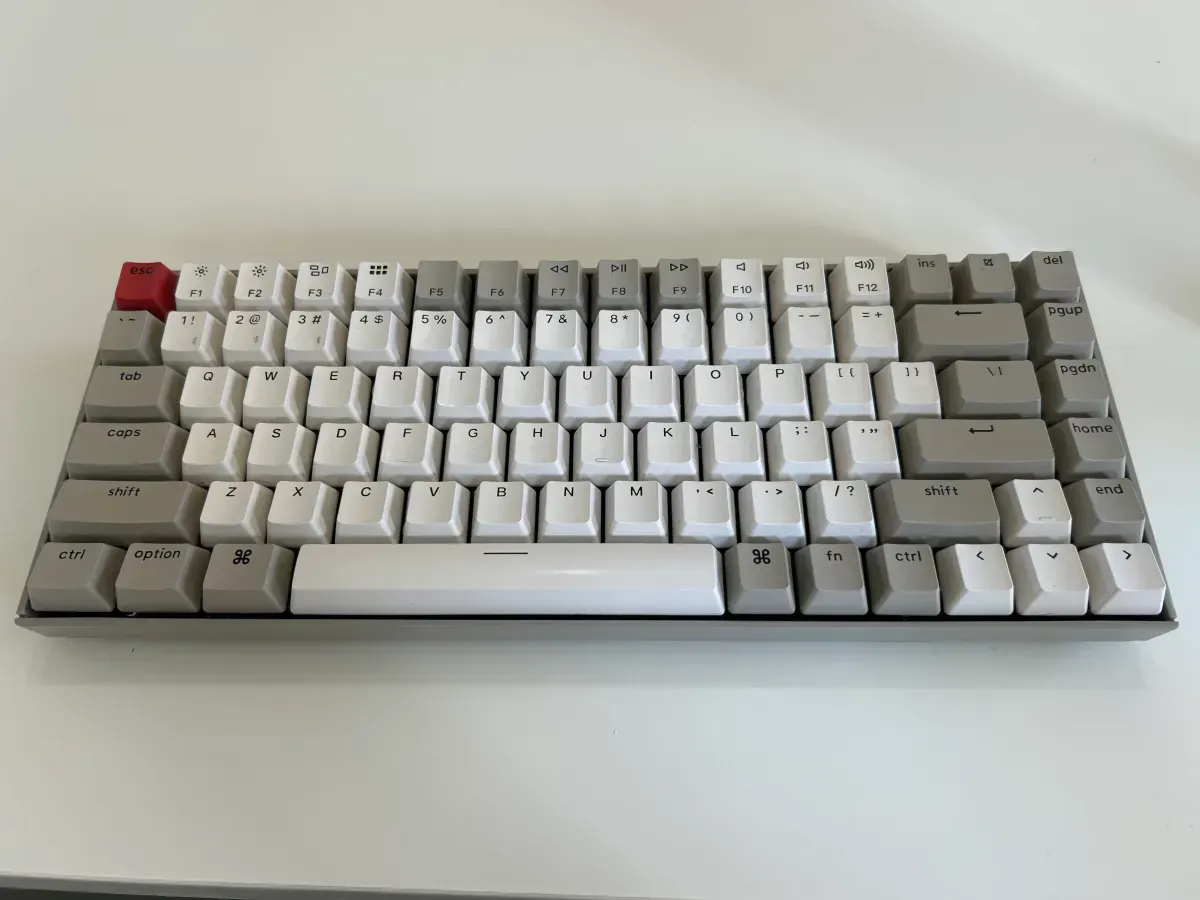
A mechanical keyboard has become an essential tool for many writers and typists who spend long hours at their desks. A well-designed mechanical keyboard can transform a mundane typing experience into something more enjoyable.
The writer's introduction to mechanical keyboards came about two years ago with the purchase of the Keychron K2, which has since become an indispensable part of their daily work routine. The shift to a mechanical keyboard was a welcome change from the standard keyboard that had been used for so long.
Keychron is one of the leading brands in the mechanical keyboard market, having gained recognition after its initial launch on Kickstarter back in 2017. Since then, the company has released dozens of different keyboards and keypads, as well as mouse models.
The appeal of a mechanical keyboard lies in its simplicity. Unlike other electronics that require complex setup and configuration, a mechanical keyboard is easy to unbox and get started with. The Keychron K2 comes with adjustable tilt legs for optimal typing comfort.
When setting up the K2, users have two options: connecting via USB cable or using Bluetooth connectivity. For those who value a clutter-free workspace, the Bluetooth option provides a clean and minimalist way to connect the keyboard.
Keychron has expanded its product line in recent years, offering a range of mechanical keyboards catering to different tastes and budgets.
The company's lineup now includes various models, each with distinct features and price points. Some of these newer releases have caught the attention of enthusiasts due to their unique design elements.
One such example is the Keychron K8 HE Wireless Magnetic Switch Custom Keyboard, which boasts an all-wood body and LED backlight. This high-end option comes at a premium price of around $200, significantly more than its predecessors like the Keychron K2, priced at $60.
In addition to the K8 HE, Keychron has also introduced other models with varying degrees of customization and features. The updated K, Q, and V series keyboards are now available, with prices ranging from $100 to $200 depending on the specific model and its specifications.
The variety in Keychron's lineup is a testament to the versatility that mechanical keyboards offer. Enthusiasts can experiment with different keycap designs or even create their own custom caps, taking advantage of the vast market for aftermarket accessories.
The tactile feedback of mechanical keyboards is just one aspect that contributes to their appeal, but another significant factor is the distinct sound they produce when keys are pressed. This accentuated noise can be a turn-off for some people, but it has its fans, and the unique auditory experience is even being used in ASMR videos.
The retro aesthetic of many mechanical keyboards is also a major draw for enthusiasts. Devices like Keychron offer a nostalgic look that evokes memories of older electronics, when style was often more utilitarian than minimalist. The design of these devices can transport users back to a bygone era of computing.
Keychron's retro form factor is particularly noteworthy, with its classic design making it stand out as a beautiful-looking device. Its resemblance to vintage electronics adds to its charm and makes it an attractive choice for those who appreciate the aesthetic of older technology.
When choosing a mechanical keyboard for the home office, one option that stands out from the crowd is Keychron's retro-inspired design. It's a unique piece of hardware that can add some visual flair to any workspace, making it feel like it belongs in a different era.
The past few weeks have seen a flurry of activity in the tech world, with several notable developments that are worth noting. Google has released a new local-first Granola competitor, which is likely to give users more control over their data and how it's processed.
This move comes as Anthropic is offering startups a free year of its Claude Team service, along with $1,000 in credits, in an effort to support innovation and development in the field. Meanwhile, Amazon has responded to recent backlash over its use of non-disclosure agreements (NDAs) for data center projects, stating that it no longer uses them.
Facts based on reporting originally published by TechCrunch.
You may republish this story, in full or in part, if you credit Noti Group and link to it (licence CC BY 4.0). Photos are not included.