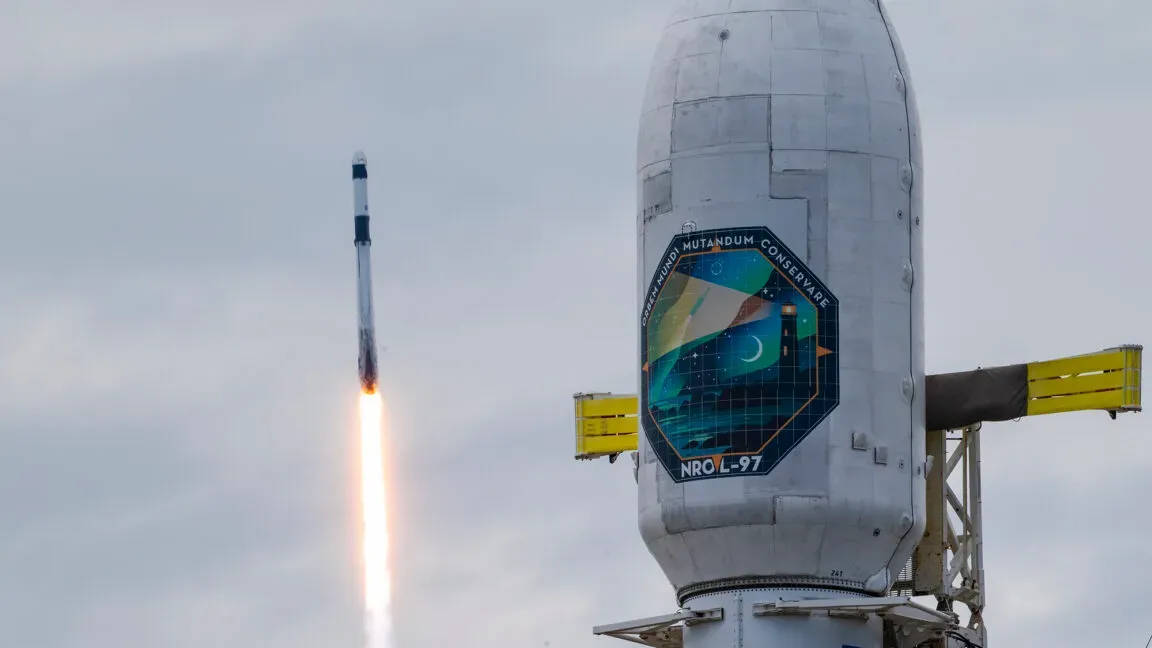








SpaceX's Starlink constellation reaches over 11,000 active satellites in low-Earth orbit
The growth of megaconstellations has sparked debate about the long-term sustainability of this trend, with SpaceX planning to launch up to a million satellites for its Starmind constellation and Amazon exploring similar ventures.
SpaceX's Starlink constellation has reached an impressive milestone, boasting over 11,000 active satellites in low-Earth orbit, which accounts for approximately two-thirds of all operational spacecraft in this region.
The sheer number of satellites in orbit highlights the need for better coordination among satellite operators to prevent potential collisions. This concern was echoed by Michael Nicolls, SpaceX's vice president for Starlink and president of xAI, during a presentation at the International Astronautical Congress in Turkey.
Radars and telescopes are constantly tracking thousands more pieces of space junk, underscoring the importance of responsible satellite operation. The risk of a collision is low, but its consequences could be severe, generating even more debris that could perpetuate a cycle of damage.
The growth of megaconstellations like Starlink has sparked debate about the long-term sustainability of this trend. SpaceX's plans to launch up to a million satellites for its Starmind constellation are part of this larger discussion. Amazon is also exploring similar ventures, while two Chinese constellations have already entered full-scale deployment.
These developments raise questions about how operators can mitigate collision risks and prevent further debris generation. While space is vast, the potential consequences of a single incident could be significant. To address these concerns, coordination among satellite operators becomes increasingly important.
The low likelihood of collisions on any given day belies the complexity of managing the growing number of satellites in orbit. As the industry continues to expand, finding ways to share information and coordinate efforts will become crucial for ensuring the long-term viability of megaconstellations.
The increasing number of satellites in orbit is leading to a growing concern about near-misses between spacecraft. According to experts, it's inevitable that collisions will occur as the industry continues to expand.
Currently, there are no global regulations requiring satellites to broadcast their locations and maneuvers or mandating coordination among satellite operators. This lack of rules creates challenges for companies like SpaceX, which must rely on governments and other stakeholders to establish norms of behavior in space.
To mitigate these risks, better tracking and awareness systems are needed to monitor the movements of satellites. "Once you can track this debris, and if you can track it well, these are like obstacles on a road," said an expert. "If you can measure them, you can predict where they're going to be, and you can avoid them."
The problem is not limited to tracking space debris; it's also about coordinating maneuvers between satellites. Several instances have been reported where other operators' satellites came close to Starlink satellites without warning. These near-misses were not intentional, but rather a result of inadequate communication or consideration for others.
In one such instance, the distance between the satellites was tens of meters to hundreds of meters, which is "way too close to comfort." This highlights the need for better coordination and communication among satellite operators to prevent such incidents in the future.
The importance of transparency in space operations cannot be overstated, particularly when it comes to satellite navigation and movement.
For a satellite's location and trajectory to be predictable, operators must share ephemeris data, which contains crucial information about its position and path. This openness is essential for preventing collisions and ensuring the sustainability of spaceflight.
SpaceX has set a high standard for itself by advocating for better coordination in orbit. The company's reliance on Starlink satellites makes it imperative that it prioritizes responsible stewardship of orbital resources.
To minimize the risk of near-misses, SpaceX has taken steps to adjust its satellite constellation. By lowering the altitude of active Starlinks below 500 kilometers, the company has created a safer and more efficient network.
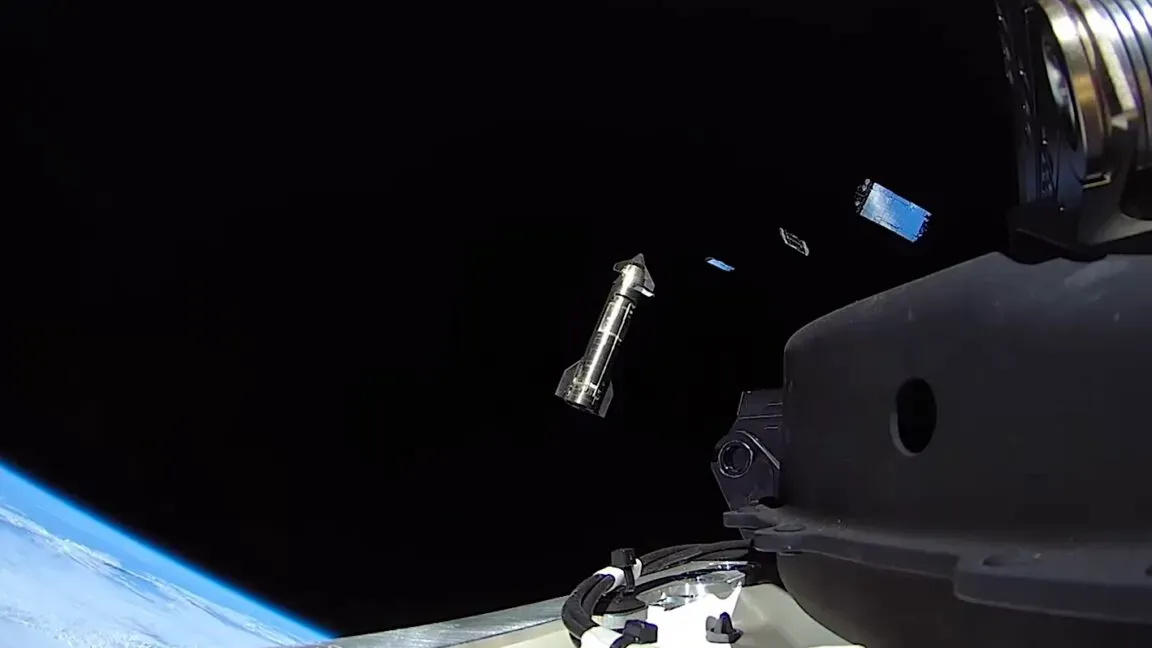
SpaceX's new-generation Starlink V3 satellites, launched on the Starship rocket last month, will fly even lower at approximately 350 kilometers. This adjustment not only improves service for customers but also expedites reentry for any failed satellites, reducing the risk of space debris accumulation.
SpaceX has implemented various measures to ensure safe navigation of its Starlink satellites in orbit, including onboard cameras that detect other objects.
These cameras form part of the Stargaze system, which now tracks around 90 percent of maneuvering satellites that intersect with Starlink orbits. However, Nicolls suggests that further improvements could be made if all operators were more transparent about their satellite movements.
As a result of this lack of transparency, it has become a common occurrence for Starlink satellites to detect impending close encounters and autonomously reposition themselves to avoid collisions. In some cases, when sufficient maneuvering space is not available, the satellites will adopt a defensive posture by pointing in a direction that minimizes the risk of collision.
The high volume of close calls necessitates frequent collision avoidance maneuvers. According to Nicolls, Starlink satellites perform around 1,000 such maneuvers daily to evade other functioning satellites or pieces of debris.
The problem of near-misses in orbit is a complex one, and it's clear that not all satellite operators are on the same page when it comes to sharing data. A chart presented by Nicolls suggests that Chinese and Russian satellites are a significant contributor to the issue, but other countries, including the US, Europe, and Japan, also have issues with sharing.
The lack of coordination is evident in the fact that some operators decline to share their data, making it difficult for others to avoid collisions. This is a pressing concern, given the rapid growth of satellite constellations like Starlink, which are designed to provide global internet coverage.
SpaceX has made a strong case for better coordination in orbit, with Nicolls emphasizing the need for all operators to share data to promote a safe operating environment. However, not everyone agrees on the best approach. Amazon's satellite broadband service, Leo, is a competitor to Starlink, and its head, Rajeev Badyal, has weighed in on the issue.
Badyal stresses that space safety is paramount for Amazon, and the company coordinates with SpaceX and other operators to avoid collisions. Regular meetings are held to exchange data, including ephemeris information, which helps prevent near-misses. This approach seems to be effective, as Amazon's operations have not been associated with any notable incidents.
Despite its own satellite fleet, which includes 396 satellites in orbit and hundreds more waiting for launch, Amazon is still far from matching the size of Starlink. The company has filed requests for approval of larger constellations, including a second-generation network of 4,504 satellites.
The scale of these plans highlights the need for better coordination among satellite operators to prevent collisions and ensure safe operations in orbit. As Badyal noted, there's no reason not to share data and coordinate efforts, given the significant consequences of failing to do so.
As the largest satellite constellation in orbit, SpaceX's operations are critical to global communication networks. In order to avoid catastrophic collisions and maintain the integrity of these systems, better coordination among spacefaring nations is essential.
The stakes are high, with potential consequences including widespread network outages and economic losses on a massive scale.
Facts based on reporting originally published by Ars Technica.
You may republish this story, in full or in part, if you credit Noti Group and link to it (licence CC BY 4.0). Photos are not included.