






UV Radiation Exposure at Outdoor Parties Requires More Than Shade
A recent experience with heat exhaustion led to an investigation into the impact of UV exposure on health, highlighting the need for more effective protection measures.
As temperatures soared in Los Angeles last August, attending an outdoor party became a challenge. The heat was unbearable, but I thought I had taken necessary precautions by sitting under a patio umbrella and positioning myself near a powerful fan.
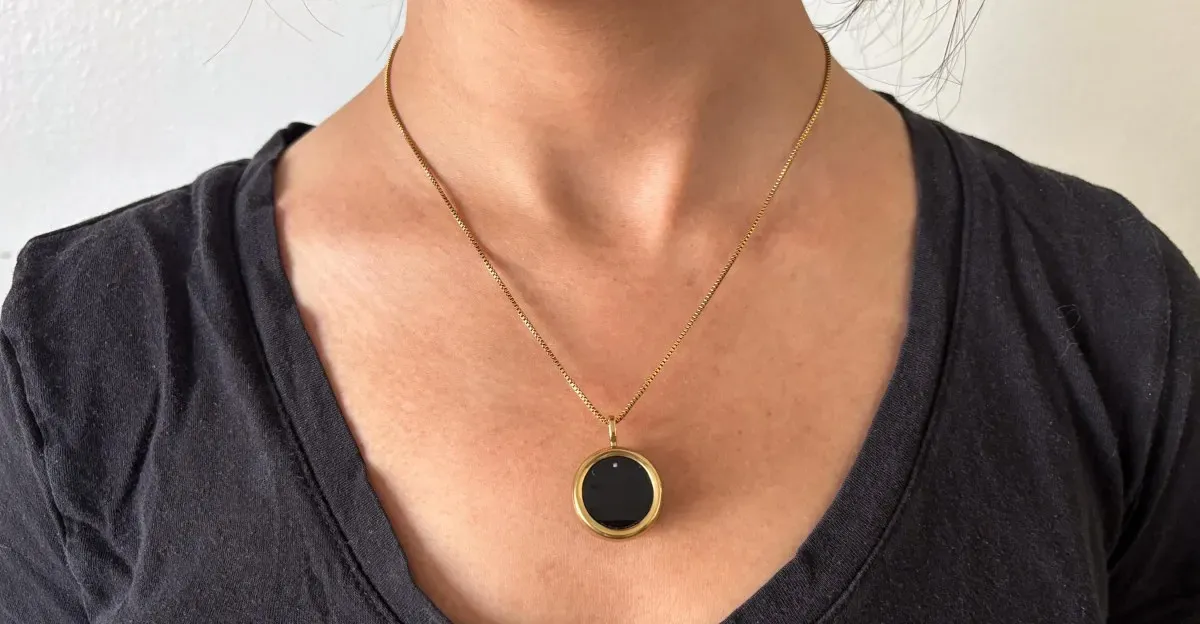
However, my assumption proved to be incorrect as I started feeling unwell after just half an hour - symptoms included exhaustion, dizziness, nausea, and overall discomfort, consistent with heat exhaustion. It was then that I received a notification from the app connected to the UV-tracking necklace I was wearing, which warned of a significant increase in my UV exposure.
The patio umbrella, far from providing adequate protection, had failed to shield me from the sun's rays. In fact, it's difficult to ever be fully protected against UV radiation as it can be reflected or scattered by objects in the surrounding environment. This realization made me realize that I had been mistaken in assuming that shade and a fan would safeguard me from both heat and UV exposure.
My experience with the Gem necklace led me to investigate my own health further, particularly after discovering that one of my medications increases my sensitivity to heat. This insight helped explain similar episodes I had experienced in the past, which I might have otherwise dismissed or attributed to other factors.
As I started wearing The 90, my focus shifted from mere aesthetics to understanding the actual impact of UV exposure on my health.
The device's ability to track UVA and UVB radiation separately has been particularly enlightening, as these two types of radiation have distinct effects on the skin.
UVB is primarily responsible for causing sunburns and helps the body produce vitamin D, while UVA contributes to premature aging, even when there are no visible signs of burning.
The device's sleek design makes it easy to wear, with a range of chain options that pair well with different outfits, and its compact size eliminates any concerns about bulkiness.
The upcoming accessories from The90 will cater to those who prefer not to wear the UV-tracking device around their neck. This includes a hat clip and a bag tag that are set for release early next year.
A key aspect of using the Gem is its mobile app, which provides users with easy-to-read graphs and clear explanations of the data collected by the device's sensor. The app has been praised for its user-friendly interface, making it accessible to those who may not be familiar with UV tracking technology.
To get the most out of the app, users can create a skin profile that takes into account various factors such as skin type, sensitivities, clothing, and sunscreen use. This information allows the app to estimate metrics like vitamin D production, circadian light benefits, and nitric oxide-related effects based on UVA and UVB readings.
The app also offers personalized skincare advice and recommendations for reducing potential aging-related risk. One of its features is the Skin Aging Zone, which assesses cumulative UVA exposure and weekly trends. Additionally, users can access a daily Sun Score, a rating that balances sunlight's benefits against overexposure risks.
The UV-tracking Gem provided a new perspective on sunlight's impact beyond just its effects on appearance.
Individualized measurements offered by the app proved more enlightening than the overall Sun Score rating.
The app's UV readings responded swiftly to changes in my environment, accurately tracking shifts between sunlight, shade, and indoor spaces, even near windows.
However, there were instances when the Gem failed to register time spent outdoors, highlighting a potential limitation of its tracking capabilities.
This experience led me to reevaluate how much protection I was getting from shade, particularly at an outdoor event where I expected my skin to be shielded.
The app's estimate of vitamin D production varied significantly during one test, dropping from several hours to under an hour and then climbing past six hours within minutes.
This fluctuation appeared to be linked to changes in UVB intensity, although I was unable to verify the connection.
Similar fluctuations were observed in the app's estimated time to sunburn, making it difficult to rely on exact numbers for protection.
As a result, I stopped focusing on specific times and instead paid attention to the overall pattern of my exposure: whether it felt like I was getting too much or too little sun.
The experience highlighted the importance of considering broader health implications rather than just preventing skin damage.
The UV-tracking Gem has given me a new perspective on how sunlight affects my overall well-being, not just my physical appearance.
While its price tag of $249 may be steep for some users, especially those who spend most of their time indoors like myself, the device offers a unique value proposition for individuals who frequently venture outside or prioritize sun protection.
The Gem's ability to track UV levels and provide guidance on sun safety is useful, although I sometimes found the app's recommendations unclear.
Facts based on reporting originally published by The Verge.
You may republish this story, in full or in part, if you credit Noti Group and link to it (licence CC BY 4.0). Photos are not included.