






Data Centers Face Uncertain Prospects After Midterm Elections
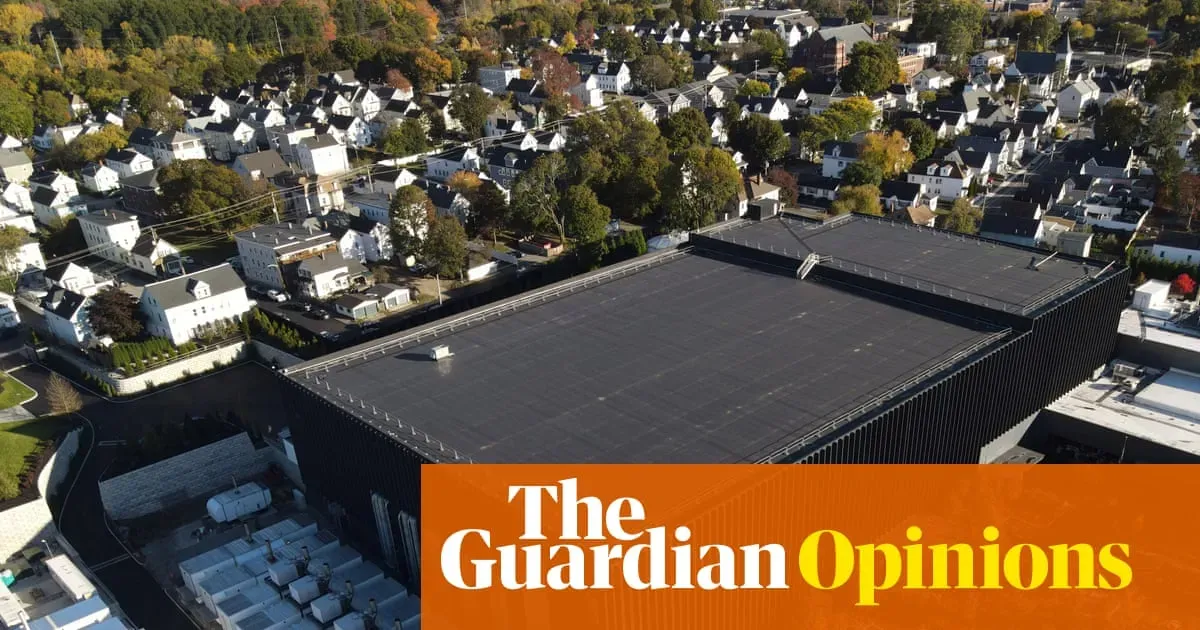
Voters across the country have rejected plans for new data centers, signaling a growing public backlash against these massive facilities.

The outcome of this week's midterm elections is set to have far-reaching implications for the tech industry, particularly when it comes to data centers. In numerous local ballot measures across the country, voters overwhelmingly rejected plans for new data centers, signaling a growing public backlash against these massive facilities.
This trend was evident even in areas where data centers weren't directly up for vote. Many politicians who won their seats, including Texas' newly elected governor Gina Hinojosa, campaigned on promises to restrict or limit the growth of data centers. Her victory is a notable example of how voter sentiment has shifted against these facilities.
In a recent episode of our Equity podcast, I joined Kirsten Korosec and Sean O'Kane to discuss the midterms' impact on tech. The conversation began with Sean's observation that Elon Musk's significant donations to Republican candidates appear to have yielded little in return for his companies. Despite his half-billion-dollar contributions, Musk now finds himself headquartered in a state that has undergone a remarkable shift towards being more Democratic.
Kirsten Korosec also weighed in on the issue, suggesting that data centers may not be the primary reason behind the "blue wave of voter turnout. However, she noted that these facilities have become an increasingly contentious issue due to how companies like hyperscalers and large corporations approach their development.
The outcome of recent midterm elections has left data centers facing uncertain prospects. Several ballot measures aimed at streamlining the development process were met with rejection or voter opposition.
A significant number of these measures would have imposed restrictions or moratoriums on data center construction. Contrary to initial expectations, nearly all of them garnered support from voters.
The shift in power dynamics, with Democrats taking control, is expected to create hurdles for data centers, particularly in states like Texas. The governor-elect has expressed a commitment to addressing concerns surrounding data center development.
This outcome may be seen as an overemphasis by the tech industry on data center ballot measures. However, it's also possible that the issue resonated with voters across different regions and party lines.
Data centers have become a contentious topic, with bipartisan opposition evident in various parts of the country. The Democrats' success in harnessing this sentiment is noteworthy, although there are multiple factors contributing to their overall performance on election day.
The anti-data center and anti-AI sentiments that emerged during the elections appear to be a significant force in shaping the current political landscape.
The tech industry is bracing for a tougher regulatory environment, particularly for data center companies and hyperscalers, as the next two years are likely to bring increased scrutiny and potential changes in laws and policies.
As several analysts have pointed out, concerns about data centers have become a grassroots issue, with many people across party lines objecting to secretive and often environmentally damaging practices employed by tech giants. This has been particularly evident in areas like the Southwest, where water scarcity is a major concern.
While data centers may not have been the primary motivator for voters during the recent elections, their handling of these issues has undoubtedly contributed to growing public discontent with tech companies. The perception that they are operating in secrecy and ignoring local concerns has alienated many people who were previously indifferent or supportive.
The anti-data center sentiment is now being reflected in policy changes, as some AI companies are re-evaluating their strategies and adopting more transparent approaches. For instance, OpenAI has recently released a new policy blueprint for its compute campuses, which promises to eliminate the use of non-disclosure agreements (NDAs) and make project plans available to local communities.
This shift towards greater transparency is seen as a significant development in the tech industry, particularly given the high-profile concerns raised by AI companies about operating under restrictive circumstances. However, it remains to be seen whether these changes will be enough to address the growing public unease with data centers and their impact on local environments.
The implications of these developments are far-reaching, and the next two years will likely see increased regulatory scrutiny and potential policy changes aimed at addressing concerns around data centers and AI operations.
The rebranding effort by some companies to shift public perception of data centers has been met with skepticism. The use of terms like compute campus is seen as an attempt to downplay the environmental impact and concerns surrounding these facilities.
Industry experts have questioned whether this rebranding will be effective in changing the way people view data centers. Some argue that it's a superficial change, designed to distract from the underlying issues rather than address them.
The compute campus policy initiative has been criticized for its potential lack of substance. It may simply add more bureaucratic hurdles and regulatory requirements without bringing about meaningful changes.
There is also concern that this rebranding effort will be used as a PR stunt, allowing companies to sidestep actual reforms. Critics argue that it's a waste of time and resources when the real issues need to be tackled head-on.
The idea of creating a compute campus" avatar has been floated as a way to make these facilities seem more palatable. However, this approach is seen as trivializing the environmental concerns surrounding data centers.
Industry insiders have also pointed out that if companies truly believed in their new branding efforts, they would be taking tangible steps to reduce their environmental footprint rather than just changing names.
The midterms have brought about significant changes in how Wall Street views hyperscalers and AI companies. Investors seem less enthusiastic about these firms spending vast sums on building new data centers and compute infrastructure. This shift in sentiment is likely to create a financial disincentive for companies to invest heavily in data center construction.
As the regulatory landscape becomes increasingly challenging, it will be even harder for companies to build data centers. The prospect of reduced profitability due to decreased investor interest is likely to deter some firms from pursuing large-scale data center projects. However, achieving the scale these companies desire may necessitate the development of new data centers.
The financial implications of this trend are far-reaching and could have a significant impact on the industry as a whole. Companies that fail to adapt to changing market conditions risk being left behind by their competitors. The need for cost-effective solutions will become increasingly important, driving innovation in areas such as energy efficiency and sustainable infrastructure.
One possible consequence of this shift is a reevaluation of existing data center strategies. Companies may be forced to reassess their investments in large-scale data centers and explore more agile, modular approaches to infrastructure development. This could lead to the adoption of new technologies and business models that prioritize flexibility and scalability.
The intersection of finance and regulation will play a critical role in shaping the future of the industry. As companies navigate this complex landscape, they must balance the need for growth with the constraints imposed by changing market conditions and regulatory requirements. This delicate balancing act will require innovative problem-solving and a willingness to adapt to new circumstances.
Ultimately, the success or failure of data center projects will depend on a company's ability to anticipate and respond to shifting market trends. Those that fail to do so risk being left behind in an industry where innovation and adaptability are essential for survival.
The tech industry is bracing for a potentially significant shift in 2027 as Tesla plans to cease production of its Cybertruck. This move comes as data centers are facing increased pressure to adapt and innovate in order to meet growing demands.
In related news, the use of old jet engines in data centers has become more prevalent as companies struggle to secure reliable power sources. Meanwhile, experts at Anthropic have warned that they are nearing a major breakthrough in AI capabilities, specifically self-building or recursive self-improvement.
Facts based on reporting originally published by TechCrunch.
You may republish this story, in full or in part, if you credit Noti Group and link to it (licence CC BY 4.0). Photos are not included.