
Anthropic Allocates 5 Percent of Shares to Public Benefit Fund
Anthropic plans to allocate 5 percent of its shares to a public benefit fund that will make donations for the greater good.
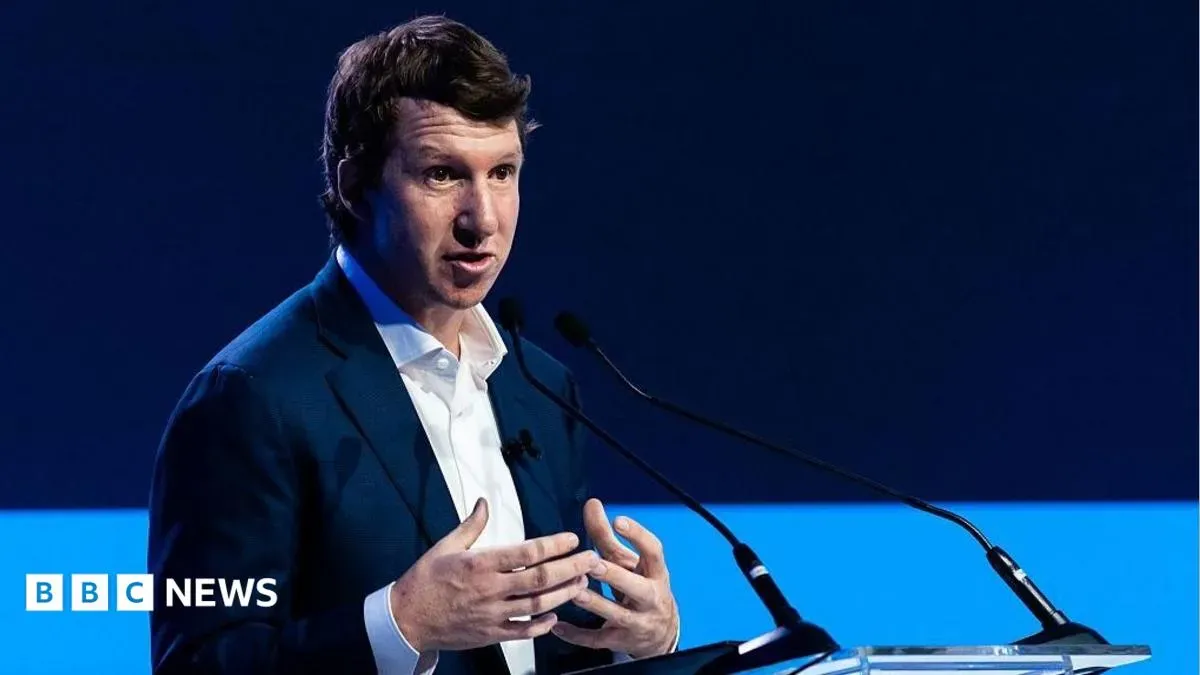
Artificial intelligence (AI) firm Anthropic has made a significant announcement regarding its future financial commitments. The company plans to allocate 5% of its shares to a "public benefit fund that will make donations for the greater good.
This move comes as Anthropic prepares for an initial public offering (IPO), which could potentially value the firm at over $1 trillion (£750 billion). This massive valuation is not surprising, given the rapid growth and increasing importance of AI in various industries. In recent years, the AI sector has attracted significant investment and attention from tech giants.
Anthropic's decision to create a public benefit fund is likely aimed at addressing growing concerns about the impact of AI on society and the economy. The company itself acknowledges that AI poses catastrophic or existential risks if not developed responsibly. By committing a portion of its shares to charitable causes, Anthropic aims to mitigate these risks and promote positive change.
The proposed fund will support nonprofit organizations working towards addressing AI's impact on employment, as well as efforts to ensure the safe development and deployment of AI technologies. Notably, none of the shares held by the public benefit fund will be used for lobbying or political donations in the US or overseas.
Elon Musk, a prominent tech entrepreneur, has responded to Anthropic's announcement with his own suggestions on how to allocate the company's shares. He recommends giving the shares directly to the public, stating that this is what he would do if given the opportunity.
Anthropic is positioning itself as a profitable company despite significant investments in developing artificial intelligence and building infrastructure to support its models.
The tech industry has seen widespread job cuts following AI adoption, with many companies citing increased efficiency as a result. This trend is expected to continue, according to research by the International Monetary Fund (IMF), which found that nearly 40% of jobs worldwide could be affected by AI. In advanced economies, this figure may reach as high as 60%.
The rapid progress of AI has raised concerns about its potential impact on humanity. A researcher who left Anthropic expressed fears about the consequences of unchecked advancements in the field. He warned that if the current pace continues, it could pose an existential threat to human life.
Anthropic's head, Dario Amodei, had previously called for a slowdown in AI development, although some have questioned his motivations. This call has sparked debate within the industry about the need for caution and regulation as AI technology advances at an unprecedented rate.
The call for industry-wide deceleration and regulation of AI technology has gained momentum, with several key players in the field weighing in on the issue. Sam Altman, CEO of OpenAI, and Elon Musk have both expressed support for the idea, which was first proposed by Anthropic's Dario Amodei. This endorsement from prominent figures in the industry highlights growing concerns about the potential risks associated with AI.
The debate over AI safety has been ongoing, with some critics arguing that the technology is advancing at an alarming rate without sufficient oversight or regulation. US President Donald Trump has previously rejected calls for laws to control AI development, but more recently he signed a document making him and other major players in the industry responsible for ensuring their own technology's safety.
The establishment of a new taskforce on AI by the president marks another step towards addressing these concerns. Led by Jay Clayton, director of national intelligence, the taskforce will aim to co-ordinate government engagement with consumers, companies, and religious organizations" related to AI development.
Facts based on reporting originally published by BBC News Technology.
You may republish this story, in full or in part, if you credit Noti Group and link to it (licence CC BY 4.0). Photos are not included.