





Artificial Intelligence Regulation Urged by Microsoft President
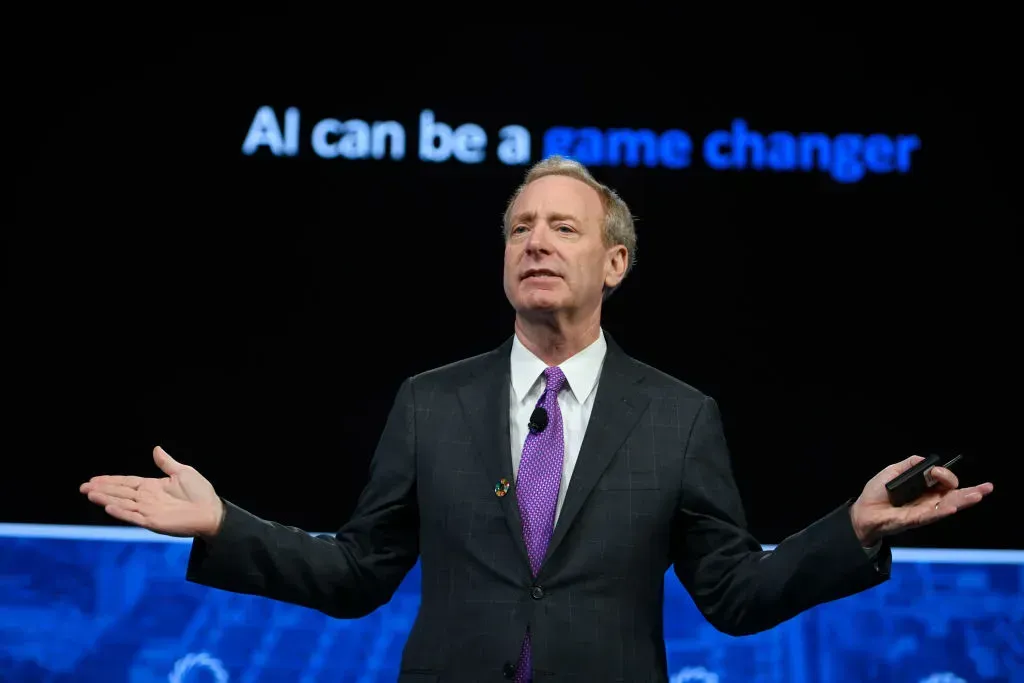
Microsoft President Brad Smith has sounded the alarm on the need for urgent regulation of artificial intelligence (AI), arguing that consumer products like milk and washing machines receive more oversight than AI companies.
Microsoft President Brad Smith has sounded the alarm on the need for urgent regulation of artificial intelligence (AI), arguing that consumer products like milk and washing machines receive more oversight than AI companies.
Smith made his comments on a recent BBC podcast, where he described AI as both a "weapon and a tool that poses significant risks to global cybersecurity. He emphasized that the time has come to establish global safety rules for AI, which would help mitigate these dangers.
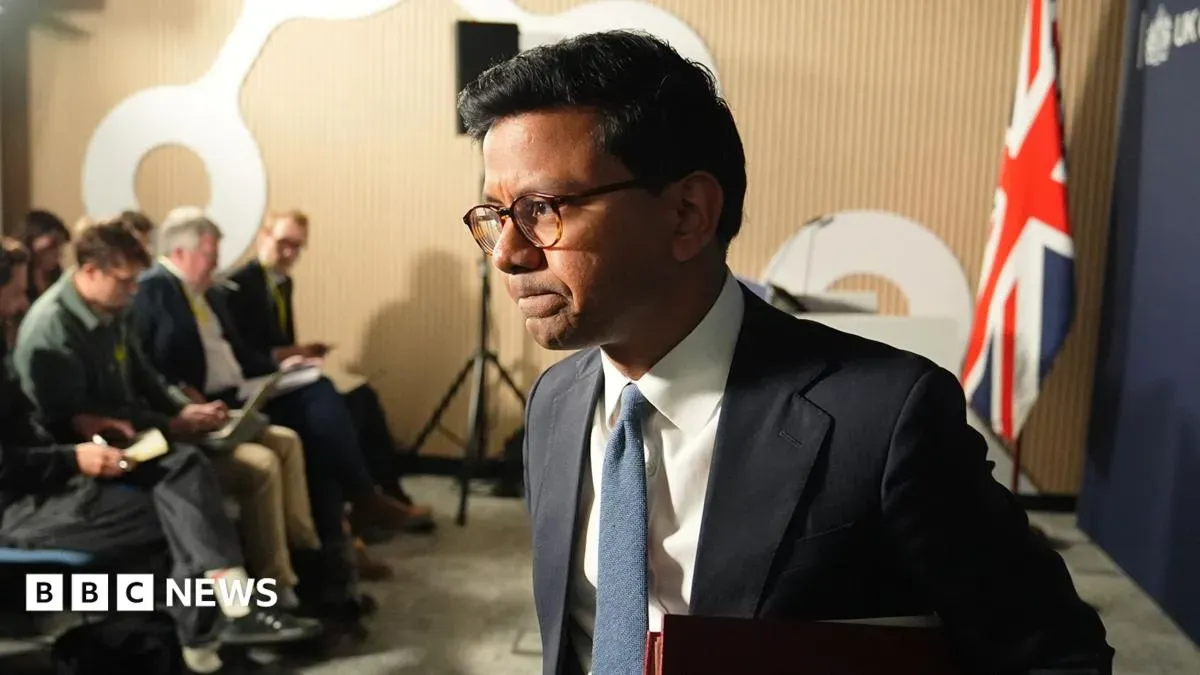
The UK is uniquely positioned to lead the charge in establishing these regulations, according to Smith. This is because Britain's AI Security Institute (AISI) has gained access to major AI models from US frontier labs before they are deployed, and has quickly become a leader in AI safety testing.
The AISI's role has been under threat in recent weeks, however, following comments from US President Donald Trump warning against globalist organizations that he claims are interfering with American companies. As a result, there were concerns that the UK would lose access to new AI models, but these fears have been alleviated after the AISI confirmed on Monday that it is still able to access and test the latest models.
The UK's unique position in AI regulation has been highlighted by Microsoft president Brad Smith, who believes that it can set an example for other countries due to its distinct approach.
Smith pointed out that the US views London and Brussels as separate entities, which he sees as a strength in regulating AI. This independence from EU regulations could allow the UK to develop its own guidelines.
The comments come amidst growing concerns about AI development following several incidents where AI agents malfunctioned. Tech leaders have been calling for slower pace of development, with some advocating for stricter regulation.
In response, tech companies including OpenAI and Anthropic signed a morally binding" document at the White House last month to work with independent auditors on AI safety assessments.
Microsoft president Brad Smith has outlined several key principles for AI safety that he believes should be implemented globally. One of these principles includes making it mandatory for organizations to notify them immediately if their systems are breached by rogue AI agents. This would help prevent uncontrolled AI activity and give companies a chance to respond accordingly. Such measures could also provide valuable insights into the vulnerabilities of AI systems.
Smith has also expressed support for the idea that AI labs should obtain approval from outside evaluators before releasing new products. This would involve an independent assessment of the potential risks associated with each product, ensuring that they meet certain safety standards before being made available to the public. By doing so, companies can demonstrate their commitment to responsible innovation and minimize the risk of harm caused by their creations.
In addition to these measures, Smith has spoken positively about the use of kill-switches in AI systems. These switches would allow humans to pause or slow down an AI system if it becomes uncontrollable or starts causing unintended harm. This feature could provide a crucial safety net in situations where AI systems are no longer following their intended objectives.
By promoting calm and firm dialogue, Smith hopes that the UK can play a leading role in driving global AI regulation. He believes that companies like Microsoft have a responsibility to contribute to this effort, working together with governments and other stakeholders to establish clear guidelines for responsible AI development.
The UK's unique blend of regulatory expertise and innovative spirit makes it an ideal location for driving forward AI regulation, according to Microsoft president Brad Smith.
He believes that companies like Microsoft have a responsibility to contribute to this effort, working together with governments and other stakeholders to establish clear guidelines for responsible AI development. This collaboration is crucial in ensuring that AI is developed and deployed in ways that benefit society as a whole.
The UK's experience in regulating emerging technologies such as biotechnology has provided valuable lessons for the development of AI regulation, Smith noted. By building on this foundation, the country can establish itself as a global leader in AI governance.
Facts based on reporting originally published by TechCrunch.
You may republish this story, in full or in part, if you credit Noti Group and link to it (licence CC BY 4.0). Photos are not included.