



US Air Force Awards Contract to WindBorne Systems for Autonomous Weather Balloon Data
The US Air Force has awarded a significant contract to WindBorne Systems to purchase data collected by its fleet of autonomous weather balloons, which could be worth up to $49 million.
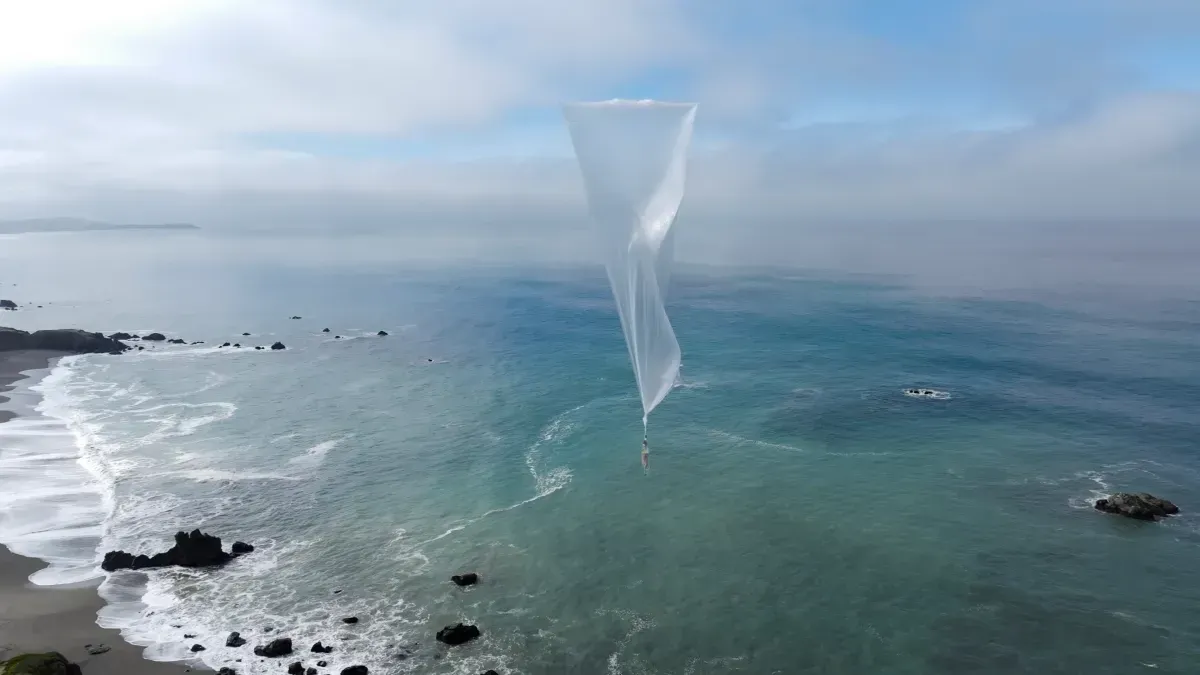
The US Air Force has awarded a significant contract to WindBorne Systems, a startup specializing in autonomous weather balloons, to purchase data collected by its fleet of balloons.
WindBorne currently operates around 700 weather balloons worldwide, gathering atmospheric sensor readings that are sold to customers and also used to feed the company's AI-powered weather forecasting model. This innovative approach has earned WindBorne recognition as one of the first organizations to directly integrate empirical data into a deep-learning weather model.
The contract with the US Air Force represents a major milestone for WindBorne, marking its single-largest partnership to date. The agreement could be worth up to $49 million, although the Air Force only pays for the data it needs, placing orders on an as-required basis.
So far, the Air Force has ordered data worth over $1.7 million, with executives anticipating additional purchases in the future. This contract is significant not just for its financial value but also for its potential to support WindBorne's continued growth and research into improving its balloon technology.
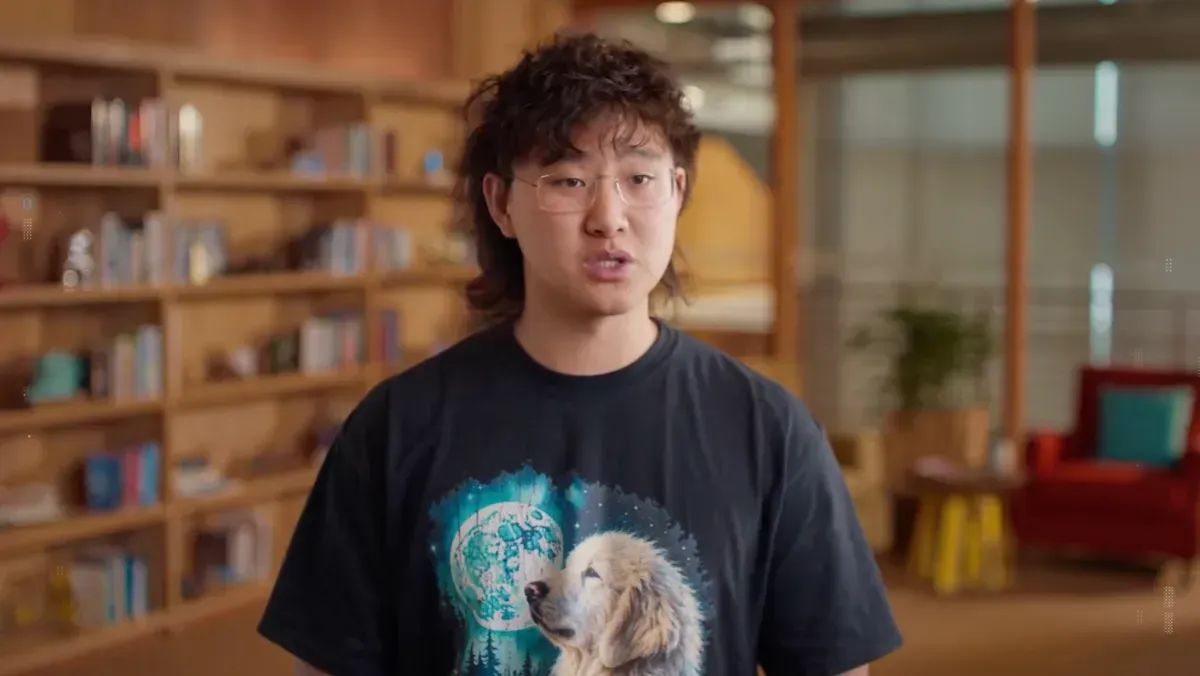
WindBorne co-founder and CTO Andrey Sushko explained that the contract allows the company to scale up its operations, supporting the expansion of its global data collection network. The contract was awarded without competitive bidding, indicating that the US government views WindBorne as uniquely positioned to meet its needs for collecting global data.
WindBorne's recent funding round has enabled it to scale its business further, following a $37 million Series B investment in August. This influx of capital is likely to support the company's growth as it continues to develop its innovative weather forecasting technology.
The latest version of WindBorne's forecasting model, WeatherMesh 6, boasts improved accuracy compared to traditional models like those run by the European Centre for Medium-Range Weather Forecasts (ECMWF). ECMWF's traditional approach relies on simulating atmospheric behavior using complex physical equations. In contrast, end-to-end learning enables AI models to ingest large datasets and generate forecasts more rapidly.
The rise of transformer model architectures has driven significant advancements in AI weather forecasting, with meteorologists now able to rely on deep-learning technology rather than expensive supercomputers. This shift has opened up new possibilities for accurate and efficient weather prediction, with government agencies and private labs developing their own models that often surpass traditional forecasts.
Government agencies are increasingly leveraging the capabilities of these advanced models, including Google DeepMind's latest offering. Its cyclone forecasting tools have become essential in responding to hurricane season, providing critical insights that inform decision-making processes.
WindBorne's innovative approach to data collection has taken a significant leap forward with its unpowered flight system successfully entering the eye of a typhoon in August. The company's ability to maneuver its balloons through adjusting altitude and air pressure, or by dropping sand as ballast, allows them to navigate into winds that take them where they need to go.
This novel approach relies heavily on accurate wind and weather models, which WindBorne has developed using deep-learning technology. According to Sushko, the company's success is a result of two key factors: having reliable wind and weather forecasts, and maintaining a large enough constellation of balloons in strategic locations.
The use of deep-learning models for operational decisions marks an important milestone for WindBorne, as it demonstrates the effectiveness of this technology in real-world applications. By leveraging machine learning algorithms to analyze vast amounts of data, the company can make more informed decisions about balloon placement and navigation.
WindBorne's innovative approach has significant implications for various industries, including meteorology, where accurate forecasting is crucial for disaster response and preparedness. The company's ability to collect high-quality data in extreme environments will undoubtedly contribute to improved weather modeling and prediction capabilities.
WindBorne has secured a significant contract from the US Air Force to collect data using its advanced balloons.
The company's technology is designed to operate in extreme environments, providing high-quality data that will contribute to improved weather modeling and prediction capabilities. This partnership underscores the growing importance of private companies in supporting government agencies with cutting-edge technologies. The collaboration is expected to have a lasting impact on various fields reliant on accurate weather forecasting.
Facts based on reporting originally published by TechCrunch.
You may republish this story, in full or in part, if you credit Noti Group and link to it (licence CC BY 4.0). Photos are not included.