






Khosla Ventures Invests $50 Million in Even Healthcare
The investment brings Even's total capital raised to over $120 million and values the company at $300 million, more than triple its valuation 18 months ago.
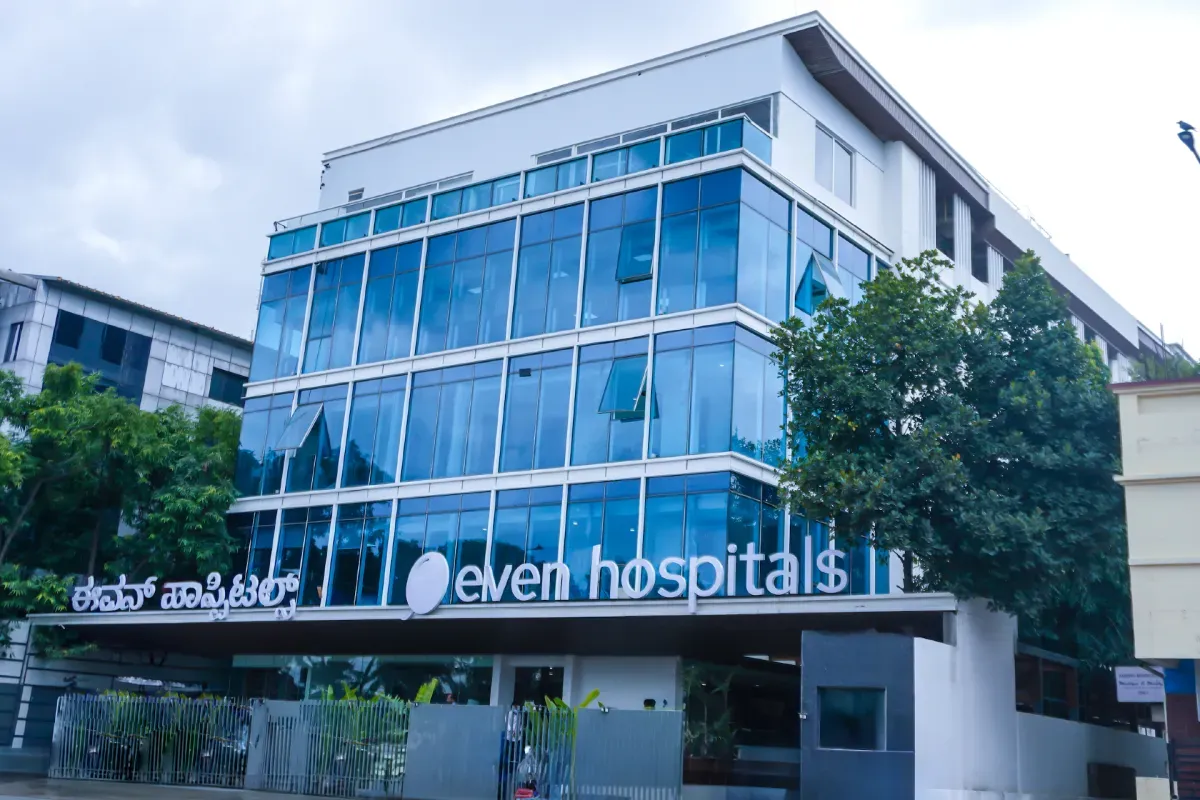
Even Healthcare, a pioneering Indian startup, has secured $50 million in fresh funding from prominent venture capital firm Khosla Ventures, as part of its Series B round. The all-equity investment also saw participation from Alpha Wave, which valued the company at $300 million, more than triple its valuation 18 months ago.
The latest injection brings Even's total capital raised to over $120 million, further cementing its position in the Indian healthcare landscape. This significant funding will enable the startup to expand its ambitious plans for a patient-centric approach to healthcare delivery.
In India, hospitals often earn substantial profits from patients undergoing additional tests or procedures that may not be medically necessary. Even Healthcare seeks to disrupt this status quo by prioritizing patient care over revenue-generating treatments that inflate medical bills.
Khosla Ventures has been a long-time backer of Even Healthcare, having invested in the startup since its seed round in 2021. The Silicon Valley-based venture firm is now doubling down on its commitment to the company as it prepares to build and operate hospitals that will allow for greater control over patient care and costs.
The investment marks a significant vote of confidence in Even's innovative approach to healthcare delivery, which combines financing, technology, and care delivery to reward better health outcomes rather than simply increasing healthcare utilization.
Even Healthcare has shifted its approach to care delivery after discovering that patients were undergoing unnecessary tests and surgeries at partner hospitals. The company's co-founder, Mayank Banerjee, revealed in an interview that Even began questioning the traditional model of healthcare delivery.
The startup's decision to build its own hospitals was driven by a desire to provide better experiences for patients and insurers alike, who are often left with poor economic outcomes due to unnecessary medical interventions. By building its own facilities, Even aims to break free from the conventional hospital economics that prioritize profit over patient well-being.
Even has already made significant strides in this direction, having opened two hospitals in Bengaluru, India, which achieved operational profitability within a year of opening. The company is now poised to expand further, with plans to open five more hospitals in the southern Indian city over the next six months.
The startup's approach to hospital management involves leasing buildings on 20-year agreements and investing in medical equipment and infrastructure. This allows Even to maintain control over costs and ensure that its facilities are equipped to deliver high-quality care.
One key aspect of Even's model is its payment structure for doctors, which eschews the traditional system of tying compensation to the number of procedures performed. Instead, doctors at Even receive fixed salaries, with opportunities to earn bonuses based on patient-reported clinical outcomes.
The same principle applies to hospital management, whose compensation is not linked to the number of procedures carried out. Managers and marketing teams are incentivized through company-wide rewards, rather than being motivated by revenue generated from medical interventions. Moreover, all employees at Even, including doctors and support staff, receive equity in the startup as a way of aligning their interests with the long-term performance of the company.
Even Healthcare's business model is primarily driven by patients paying for treatment, according to a spokesperson. The company also generates revenue through partnerships with insurance providers, who cover some of the costs associated with patient care. Additionally, Even is exploring a new compensation model with its insurer partners that would reward the startup for preventing hospitalizations rather than simply providing more medical interventions.
The startup tracks patient recovery using established medical scoring systems to measure pain and mobility after treatment. For example, in cases of knee replacements, Even uses the Oxford Knee Score to assess patient outcomes. This data is then published on the company's website for comparison with other healthcare systems.
Even claims significant improvements in hospital performance metrics compared to industry benchmarks. Specifically, its hospitals have an unplanned readmission rate of less than 1%, which is significantly lower than the industry average of 8-15%. Furthermore, patients spend approximately 40% less time in the hospital under Even's care.
Even's approach has also generated cost savings for insurers, with the startup estimating that it has saved its partners over ₹500 million (approximately $5.27 million) to date. This figure is a result of reduced hospital stays and lower readmission rates.
Despite these achievements, regulatory filings show that Even posted a net loss of ₹902 million (around $9.50 million) in fiscal 2025, representing a nearly 25% increase from the previous year's losses. Revenue for the same period stood at ₹272 million (approximately $2.86 million).
Even Healthcare has undergone significant restructuring in recent months, resulting in the layoffs of around 350 employees, according to reports.
The affected staff received support packages, including severance pay, extended health insurance, and accelerated equity vesting, as part of the company's efforts to adapt to changing circumstances.
Despite this reduction in workforce, Even Healthcare continues to expand its operations, employing approximately 650 people, with around 300 doctors working full-time for the startup.
The company has also seen significant growth in terms of membership, with over 250,000 patients now enrolled and having interacted with the platform more than 750,000 times since its launch in 2021.
Even's focus on expansion is a deliberate choice, as the startup seeks to increase patient interactions rather than prioritizing profitability.
Even Healthcare is expanding its services to increase patient interactions, rather than focusing on generating profits. This strategic decision aims to provide more personalized care and support to patients, which is crucial in India's hospital economics landscape.
The expansion efforts will enable Even Healthcare to better address the country's pressing healthcare issues, including limited access to quality medical facilities and specialized treatments. By increasing patient engagement, the startup hopes to make a significant impact on the region's healthcare sector. This move solidifies its position as a major player in India's rapidly evolving healthcare landscape.
Facts based on reporting originally published by TechCrunch.
You may republish this story, in full or in part, if you credit Noti Group and link to it (licence CC BY 4.0). Photos are not included.