







US Food and Drug Administration Considers Easing Access to Unproven Peptide Drugs
The US Food and Drug Administration is considering easing access to unproven peptide drugs despite concerns over their safety and efficacy.
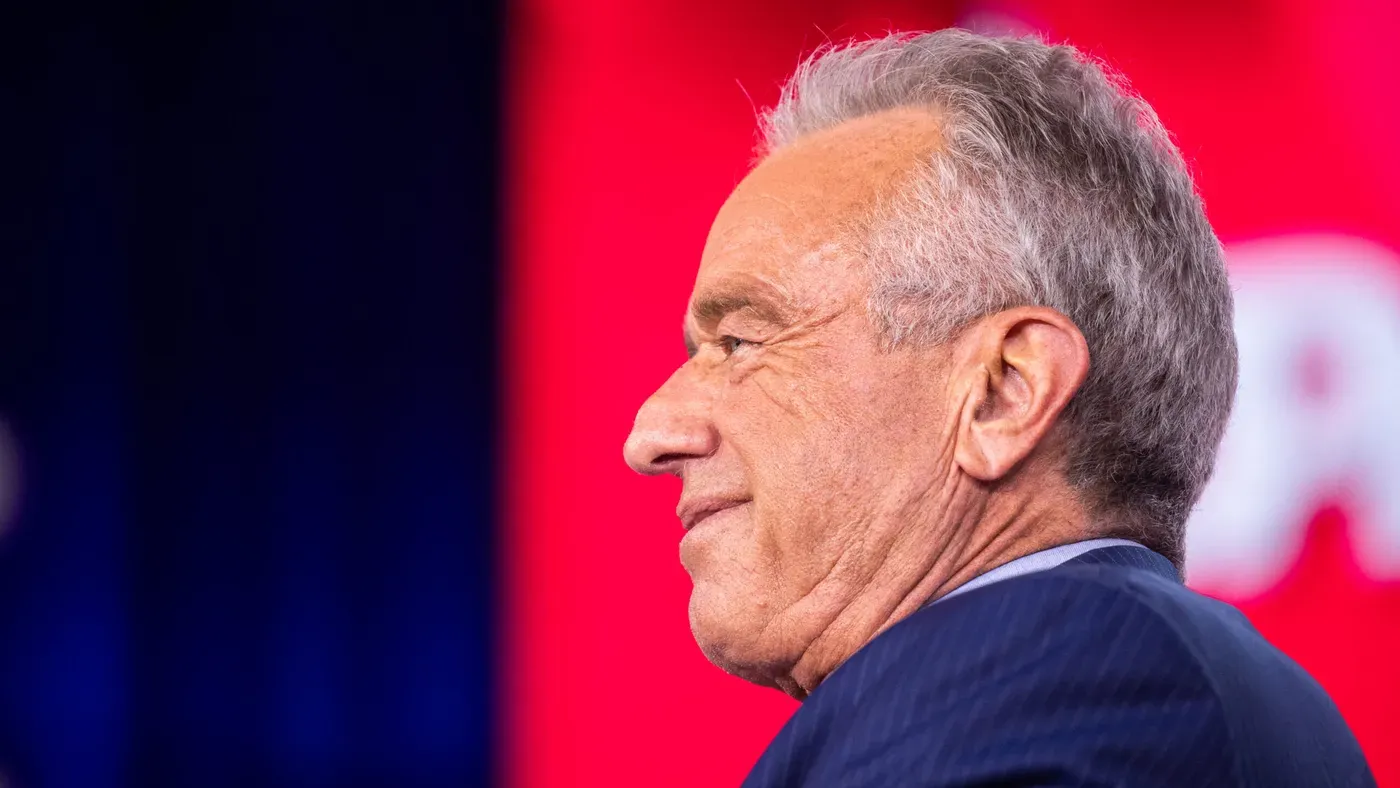
The US Food and Drug Administration (FDA) is considering easing access to unproven peptide drugs despite concerns over their safety and efficacy. This move has been proposed by Health Secretary Robert F. Kennedy Jr., who has been promoting these substances through his Make America Healthy Again movement.
According to a filing notice on an Office of Management and Budget website, the FDA has submitted an "Interim Access Policy for review by the White House. While details about the policy are scarce, individuals familiar with the proposal have revealed that it would grant the agency enforcement discretion over certain peptide drugs. This means the FDA could choose not to enforce current restrictions on these substances and provide reassurance to specialty pharmacies looking to produce them.
Enabling the sale of unproven peptides has raised concerns among FDA staff scientists, who have pointed out that these substances lack sufficient research to establish their safety and efficacy. Moreover, there is a risk they may cause harm to those using them. The proposal's focus on easing access to peptide drugs contradicts this scientific scrutiny.
A request for comment from the Department of Health and Human Services, which oversees the FDA, has gone unanswered so far.
The proposal by Robert F. Kennedy Jr., a prominent advocate for health freedom, to have the US Food and Drug Administration (FDA) reconsider its stance on unproven injectable peptide drugs has sparked controversy.
These peptides, which are currently being re-reviewed by the FDA, were initially deemed to lack sufficient data on safety and efficacy, posing potential risks to users. Despite this, they remain popular among certain groups, including those in the MAHA community who claim that they can improve appearance, boost energy, and aid in injury recovery.
The peptides' popularity has led some sellers to make unsubstantiated claims about their benefits, with Kennedy himself being a self-proclaimed big fan of these products. In fact, he has vowed to end what he calls the FDA's war on peptides" since taking office.
As part of this effort, the FDA announced in April that it would reconsider 12 unproven peptides, and in June, Kennedy appointed new members to a key advisory panel tasked with reviewing them. However, at least six of these appointees have ties to businesses or clinics related to peptides, raising concerns about potential conflicts of interest.
In a July meeting, the panel voted to recommend adding six out of the first seven peptides considered back to the list of drugs that compounding pharmacies can make, despite objections from FDA staff scientists who maintain that these products still lack crucial safety and efficacy data.
A recent report suggests that the FDA may adopt a new approach to regulating compounding pharmacies, which could potentially ease access to unproven peptides. This move would bypass the formal rulemaking process, which is typically time-consuming and involves multiple rounds of public comment.
The Center for Science in the Public Interest (CSPI) has expressed strong opposition to this proposal, arguing that it puts consumers at risk of serious injury from unsupported claims about the benefits of these peptides. In a letter to Acting FDA Commissioner Kyle Diamantas, CSPI president Pete Lurie urged him to disregard the panel's recommendations.
If adopted, the new enforcement discretion could provide access to unproven peptides during the ongoing rulemaking process or as an alternative to it.
Facts based on reporting originally published by Ars Technica.
You may republish this story, in full or in part, if you credit Noti Group and link to it (licence CC BY 4.0). Photos are not included.