





Shipping costs surge ahead of holiday season
Small retailers are bracing for significant financial hits due to skyrocketing shipping costs during the upcoming holiday season.
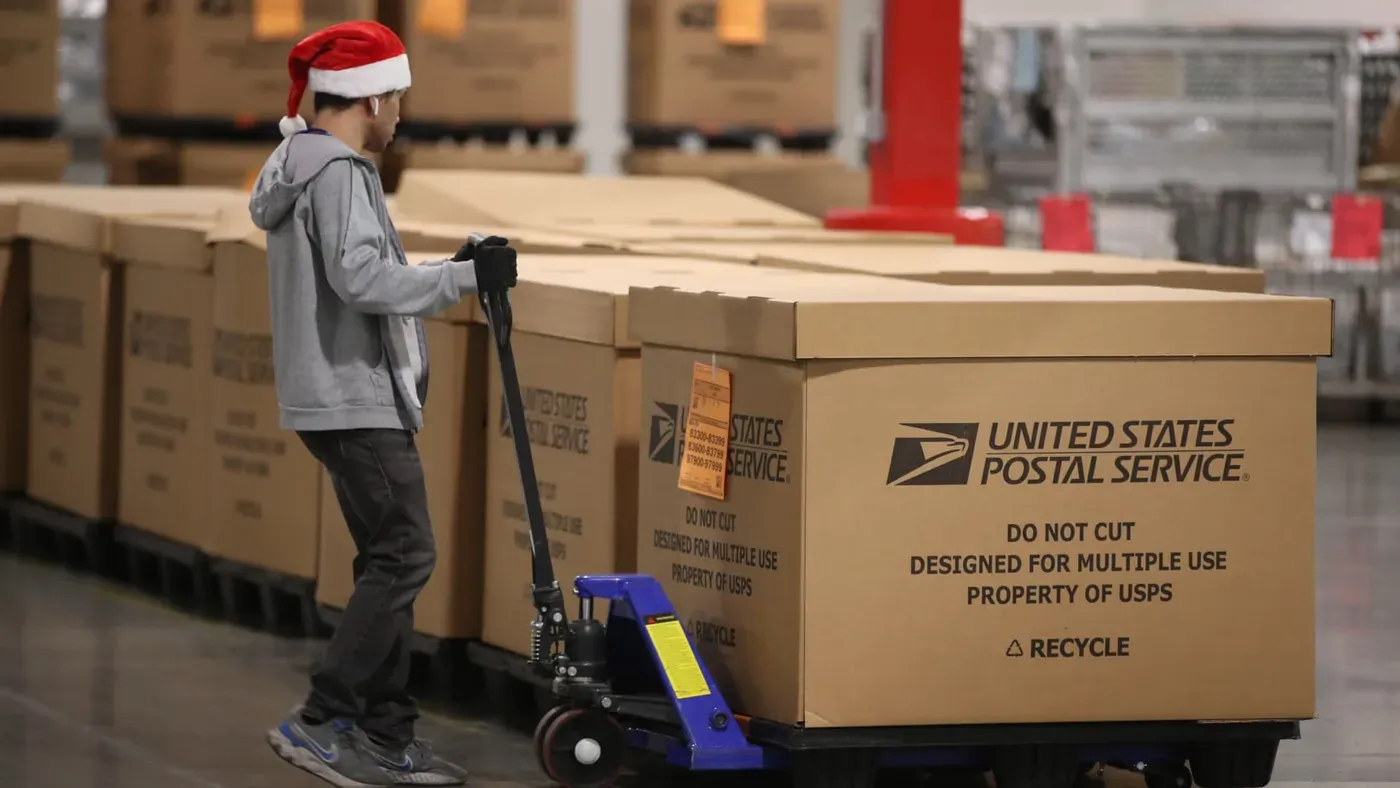
Small retailers are bracing for a significant financial hit during the upcoming holiday season due to skyrocketing shipping costs.
Jenni Shields, owner of Evie Pearl Handmade, has seen her shipping expenses rise dramatically over the past few months. Eight years ago, she paid just $2.93 to ship an order, but when adjusted for inflation that's equivalent to around $4 today. Last year, an average shipping label for her products cost around $4.50.
However, Shields was shocked to see that a typical batch of orders now costs nearly $6 per package at her local U.S. Postal Service office in Kansas City, Kansas. This sudden increase has left many small business owners like Shields struggling to keep up with the rising costs.
The problem is compounded by the fact that fuel prices continue to trend upward, putting further pressure on shipping expenses.
Small- and medium-sized retailers are facing a difficult holiday season as strong customer demand clashes with higher shipping and other costs. While some retailers may be able to absorb these losses in the short term, others risk making significant dents, or even wiping out entirely, their profits due to the rising costs.
Shields charges her customers $6 for shipping, which includes around $1.50 to cover packaging supplies. However, with the recent spike in shipping costs, she's no longer breaking even on her orders and is instead eating into her profits.
The surge in fuel prices since the U.S. and Israel attacked Iran has led to a significant increase in shipping costs across various modes of transportation, including sea, air, rail, and road.
This uptick in shipping expenses is being felt by major retailers like Amazon, which reported an 11% rise in shipping costs for the third quarter compared to last year. The impact is not limited to large corporations; smaller businesses are also struggling to cope with the increased costs.
Air cargo rates have skyrocketed, with a kilogram now costing around $3.37 globally, representing a 43% increase from the same period last year. One factor contributing to this rise is the growing demand for fast shipping of hardware used in data center construction, which is driving up air freight rates even before the peak holiday season.
The increased costs are expected to squeeze the margins of businesses in the short term, particularly smaller companies that rely on spot market pricing. Larger corporations, on the other hand, tend to have dedicated deals in place, shielding them from the full impact of rising shipping expenses.
Smaller companies are caught between maintaining customer satisfaction and absorbing the higher costs themselves or passing them on to customers. Some retailers may need to reconsider their free shipping policies or find alternative ways to manage the increased expenses without alienating their customers.
As small retailers struggle to cope with escalating shipping costs, some are being forced to reconsider their business models. Importing materials such as Japanese denim and shirt fabric from Portugal has become increasingly expensive for Shelton's company, eating into its profit margins.
Raising prices or charging customers for shipping are options being considered by Shelton's company, which is still profitable but under pressure due to rising costs. Meanwhile, Shields is contemplating a significant change to her business: increasing shipping fees for the first time in six years.
The holiday season is typically one of Shields' busiest periods, but she reports seeing a slowdown in sales due to the impact of shipping fees on her bottom line. I can't compete with Amazon's free shipping, she said, highlighting the challenges faced by small businesses in this area.
Shields' business operates out of her home, and she is concerned that small retailers may not be able to survive the holiday season without significant financial strain. With no sign of a decline in fuel prices on the horizon, Shields fears for the future of many small businesses.
The major shippers, UPS, FedEx, and USPS, have all introduced holiday surcharges, which will remain in place until the end of the season. These charges vary depending on package type but are higher than they were in previous years, adding to the difficulties faced by retailers trying to navigate the complex shipping landscape.
Retail sales are expected to see a 4.2% increase by the end of the year, according to the National Retail Federation. This translates to total spending of $1.01 trillion, a significant jump from last year's holiday sales totaling $972 billion.
The growth in retail sales is largely driven by inflation, which means consumers are paying more for the same goods. As prices rise, consumers' expectations about what they can afford also adjust accordingly.
Retailers are finding it challenging to navigate these changes, particularly smaller retailers who are already struggling with high shipping costs. This year's shipping costs are shaping up to be a record, putting immense pressure on businesses that operate on thin margins.
The expected surge in shipping costs is likely to have a ripple effect on retailers' finances, potentially leading to financial distress in the first quarter of next year. Smaller retailers may find it particularly tough to make ends meet as they struggle to stay afloat during the holiday season.
As shipping costs continue to soar, larger retail companies will also face significant expenses, albeit potentially delayed until later quarters due to existing contracts and in-house delivery fleets.
This added burden will likely disadvantage smaller retailers further, exacerbating their already precarious financial situation during the holiday season.
Facts based on reporting originally published by CNBC.
You may republish this story, in full or in part, if you credit Noti Group and link to it (licence CC BY 4.0). Photos are not included.