


Marc Lore's food startup Wonder expands rapidly across US markets
Wonder has grown significantly since its founding eight years ago by Marc Lore, with a business model focused on accessibility and affordability.
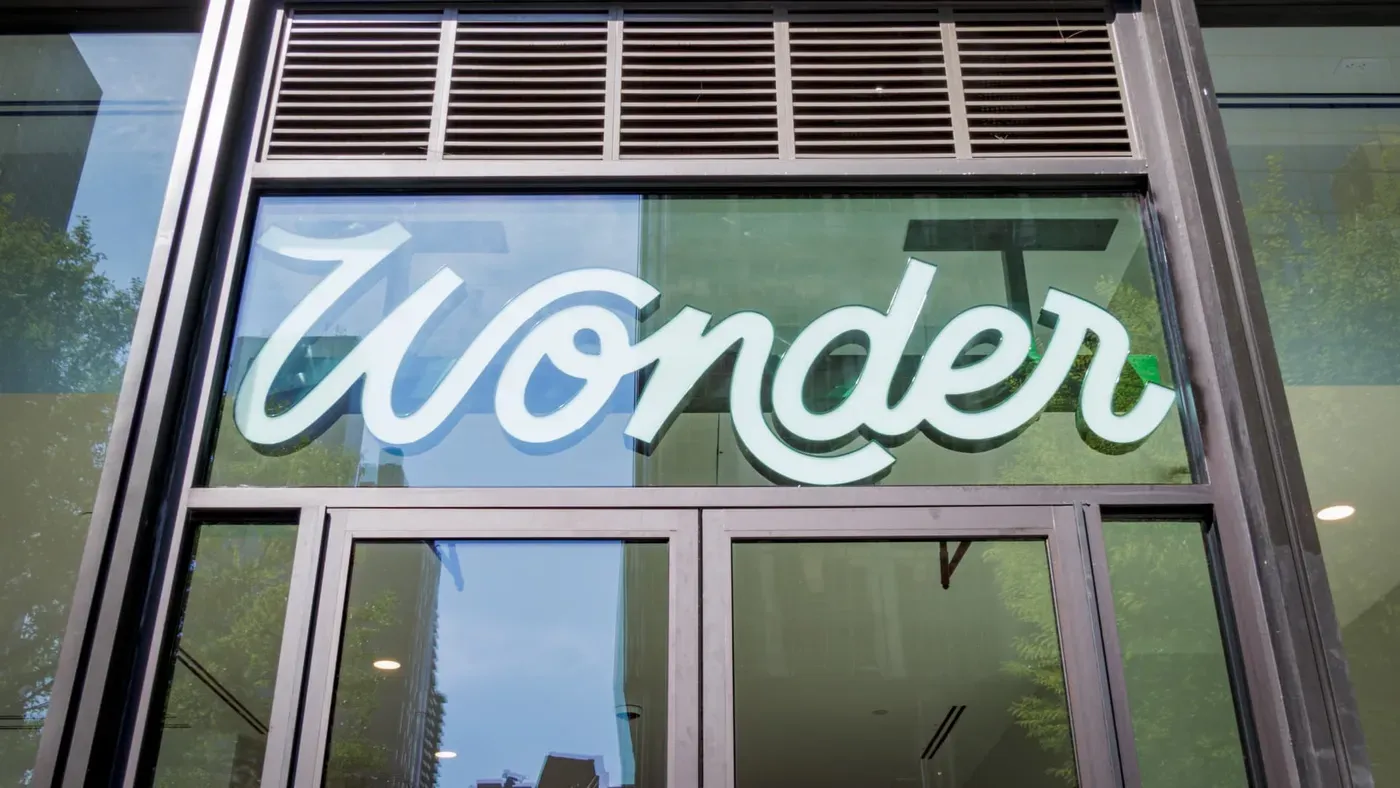
Marc Lore's food startup Wonder is making rapid strides in the industry, with plans for further expansion and innovation on the horizon.
The company, which was founded by Lore just eight years ago, has seen its footprint grow significantly, and its valuation has soared accordingly. With a business model that emphasizes accessibility and affordability, Wonder aims to make great food more widely available across the country.
As described by Lore himself, Wonder is a vertically integrated food technology platform designed to bring high-quality restaurants to customers in a convenient and affordable way. The startup's app allows users to place orders from a range of partner restaurants, with options for takeout or delivery through third-party platforms like Grubhub, which Wonder now owns.
This acquisition has provided an added layer of convenience for Wonder customers, as they can order directly through the startup's app without incurring extra costs. Furthermore, by integrating its own kitchen operations and automating tasks such as salad assembly, Wonder is working to streamline its food preparation process.
The company's long-term goal is to achieve full autonomy in food preparation and delivery by 2040, a vision that reflects Lore's ambitious plans for the future of the industry. To get there, Wonder will need to convince diners that its platform offers something unique and valuable, particularly in an increasingly competitive market.
To date, Wonder has secured $3.3 billion in funding from investors including DoorDash, Alphabet's venture arm, and Gwyneth Paltrow. Its most recent fundraising round earlier this year raised the company's pre-money valuation to a staggering $9 billion, just shy of the sale price of sandwich chain Subway two years ago.
The next move for Wonder will likely be an initial public offering (IPO) if market conditions allow it to go ahead with its plans. An IPO would provide the company with access to a significant amount of capital, which is essential for building a business that aims to become generational.
Lore's vision for Wonder is ambitious and far-reaching, but he acknowledges that timing is crucial in determining when the company will make its public debut. He has hinted at the possibility of raising funds through an IPO, but remains tight-lipped about the exact timeline.
Despite his background in e-commerce, Lore's expertise lies outside the restaurant industry. However, he has a proven track record of success in various sectors, having co-founded the parent company of Diapers.com and selling it to Amazon for $545 million in 2010. Six years later, Walmart acquired his follow-up venture, Jet.com, for about $3 billion.
Lore's entrepreneurial spirit extends beyond business ventures. He is also a sports enthusiast and has invested in several teams, including the Minnesota Timberwolves basketball team. In 2021, he partnered with baseball legend Alex Rodriguez to buy the team, although he later reduced his stake to focus on Wonder.
Wonder's initial concept involved using sprinter vans equipped with mobile kitchens to deliver food to customers' homes. However, this business model was phased out in favor of brick-and-mortar locations, which offer more flexibility and lower costs. This strategic shift has helped the company expand its offerings and improve operational efficiency.
Lore's reputation as a successful entrepreneur has earned him the respect and admiration of investors. His track record speaks for itself, with notable supporters like Dave Munichiello, managing partner of GV, who has known Lore since his Diapers.com days and invested in Jet.com through GV.
Lore's vision for Wonder's growth is driven by its ability to offer high-quality food at affordable prices, particularly in areas where dining options are limited.
This approach has led to significant investments from various parties, with Wonder reportedly receiving billions of dollars in funding.
The company's strategy involves preparing meals at commissary kitchens and then transporting them to individual locations for final preparation and serving. This model allows Wonder to quickly scale its operations without the need for extensive renovations or permits.
Wonder's storefronts are designed to be electric-only facilities, eliminating the need for gas or venting systems. This enables the company to easily adapt to new spaces and minimize logistical challenges.
The company has expanded rapidly in recent years, with over 170 locations opening across the United States. Its next major market is Texas, where Wonder plans to establish at least 100 locations by the end of 2027.
Wonder's menu offerings are sourced from a diverse range of "restaurants, including established brands and concepts created in partnership with celebrity chefs like Bobby Flay and Marcus Samuelsson.
These partnerships allow Wonder to leverage the reputation and following of well-known culinary names, further expanding its reach and appeal to customers.
To expand its reach and appeal to customers, Marc Lore's food technology company Wonder is taking a unique approach by leveraging partnerships with well-known culinary names.
This strategy allows Wonder to tap into the reputation and following of these established brands, further increasing its visibility and customer base.
In addition to these partnerships, Wonder is also introducing a new concept called Wonder Create. Starting November 17th, influencers, entrepreneurs, and brands will be able to pay $10 per month to start their own restaurant" based out of a Wonder location and earn a portion of the revenue from orders generated through the platform.
The AI-powered system will assist them in creating their brand identity, including name, logo, pricing, and recipes. This initiative aims to democratize restaurant ownership by providing an accessible and affordable way for people to start their own restaurants without the need for significant capital investment or operational expertise.
Wonder Create is not just limited to professional entities; individuals can also use it to create a virtual restaurant for themselves and their friends. The platform's AI will help users decide menu items based on Wonder's pantry offerings, making it an exciting option for those looking to try out new culinary ideas.
Another initiative that utilizes AI technology is MEL, a proprietary platform developed by Wonder. This system can analyze a customer's health information, such as data from wearable devices like Oura rings or Whoop trackers, and use this data to prepare personalized meals tailored to their specific needs.
Currently, MEL is not available for public use, but Lore has already incorporated AI into his own meal planning, using it to advise on healthy options like the chicken muffin he had for breakfast in October.
Wonder's food quality has been a subject of debate among consumers. Some have taken to social media to express their disappointment with the taste and value for money offered by the company. For instance, a 27-year-old resident of Philadelphia shared his experience on TikTok, stating that an order of three tacos he received from Wonder was just average and overpriced.
The company has been working to address these concerns by monitoring customer feedback. According to Lore, thousands of reviews are submitted daily, rating various aspects of the orders, including taste, temperature, and portion size on a scale from 1 to 10. The management team uses this data to identify areas for improvement and make necessary changes.
Wonder's focus on food quality is evident in its approach to business. The company has implemented a system where it analyzes customer feedback to refine its menu offerings. This approach has yielded positive results, with the company reporting an improvement in taste scores over the past 12 months. Additionally, Wonder's Google reviews have also seen an uptick.
Despite some negative reviews on social media, Wonder has managed to attract a loyal customer base. According to transaction data from Indagari, the company outperforms its peers in terms of weighted average retention rate and lifetime value. These metrics indicate that customers are more likely to return to Wonder and spend more money over time compared to competitors like Cava and Sweetgreen.
Wonder's success can be attributed to its ability to thrive in highly competitive markets. The company has established a presence in New York, often cited as one of the toughest cities for restaurants to succeed in. This achievement is a testament to Wonder's business model and operational efficiency.
With its sights set on expanding across the U.S., Wonder aims to win over the remaining markets and eventually go public. To achieve this goal, the company will need to continue delivering high-quality food and exceptional customer experiences that drive loyalty and retention.
To achieve its goal of going public, Wonder is building a strong financial foundation by hiring experienced executives like Gabrielle Scheibe Rabinovitch as its chief financial officer. This move comes as the company prepares for an initial public offering (IPO), which will require it to demonstrate its ability to manage finances effectively.
The company's plan to bring down meal prices through automation and drone delivery is a crucial step in reducing costs, but laying the groundwork for these initiatives will be expensive in the short term. As investors become increasingly cautious about supporting unprofitable startups, Wonder must show that it is committed to becoming profitable or demonstrate sustained growth after its IPO.
Wonder's decision to prioritize cost-cutting measures and automation reflects a shift in investor sentiment, with Avery Marquez of Renaissance Capital noting that investors are less tolerant of companies prioritizing growth above profitability. By taking steps towards financial stability, the company aims to convince investors that it is a viable long-term investment opportunity.
Facts based on reporting originally published by CNBC.
You may republish this story, in full or in part, if you credit Noti Group and link to it (licence CC BY 4.0). Photos are not included.