





US Vice President Removed from Handling US-Iran Relations
The removal of JD Vance from handling US-Iran relations could potentially escalate tensions between the two nations.
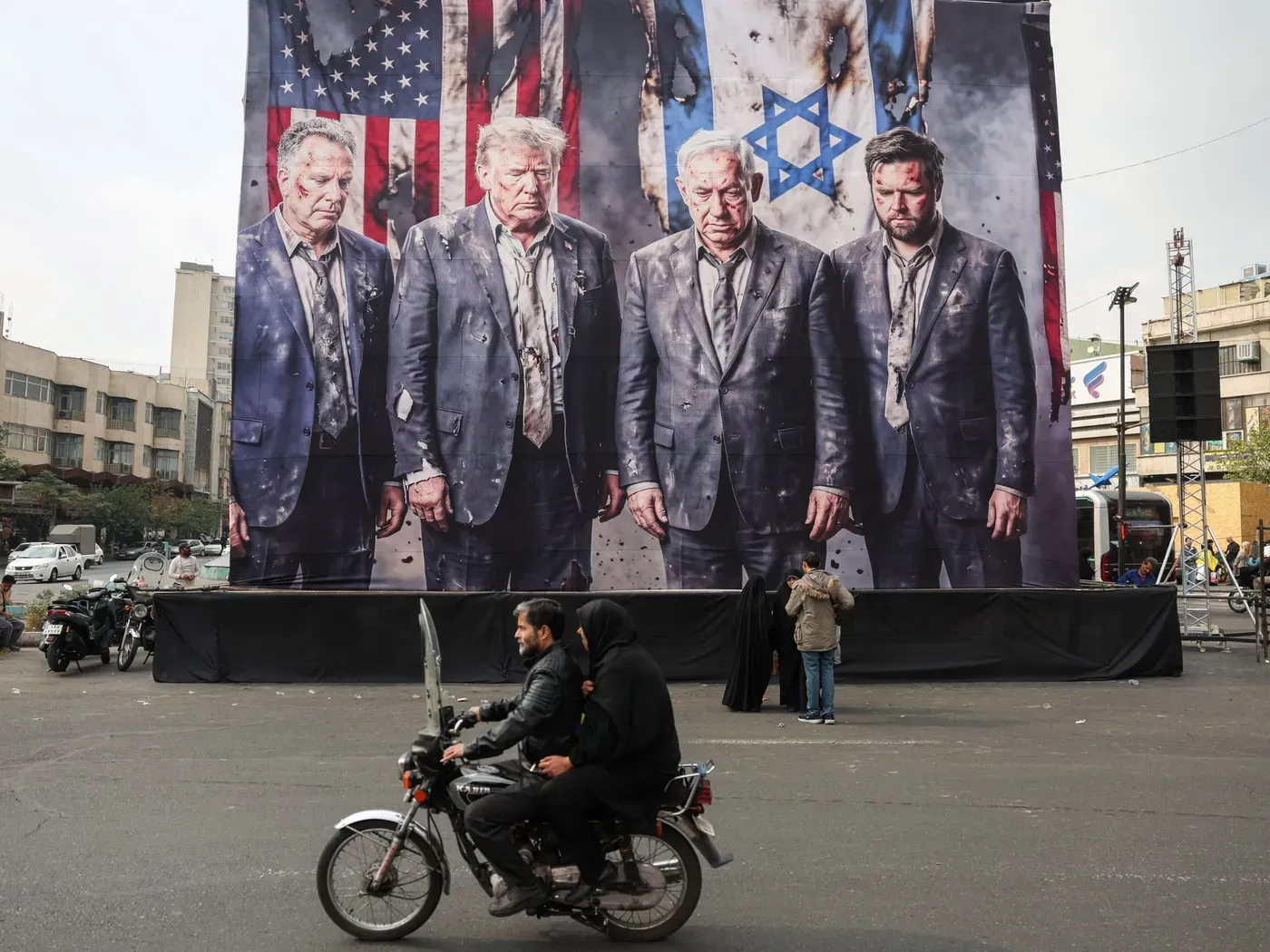
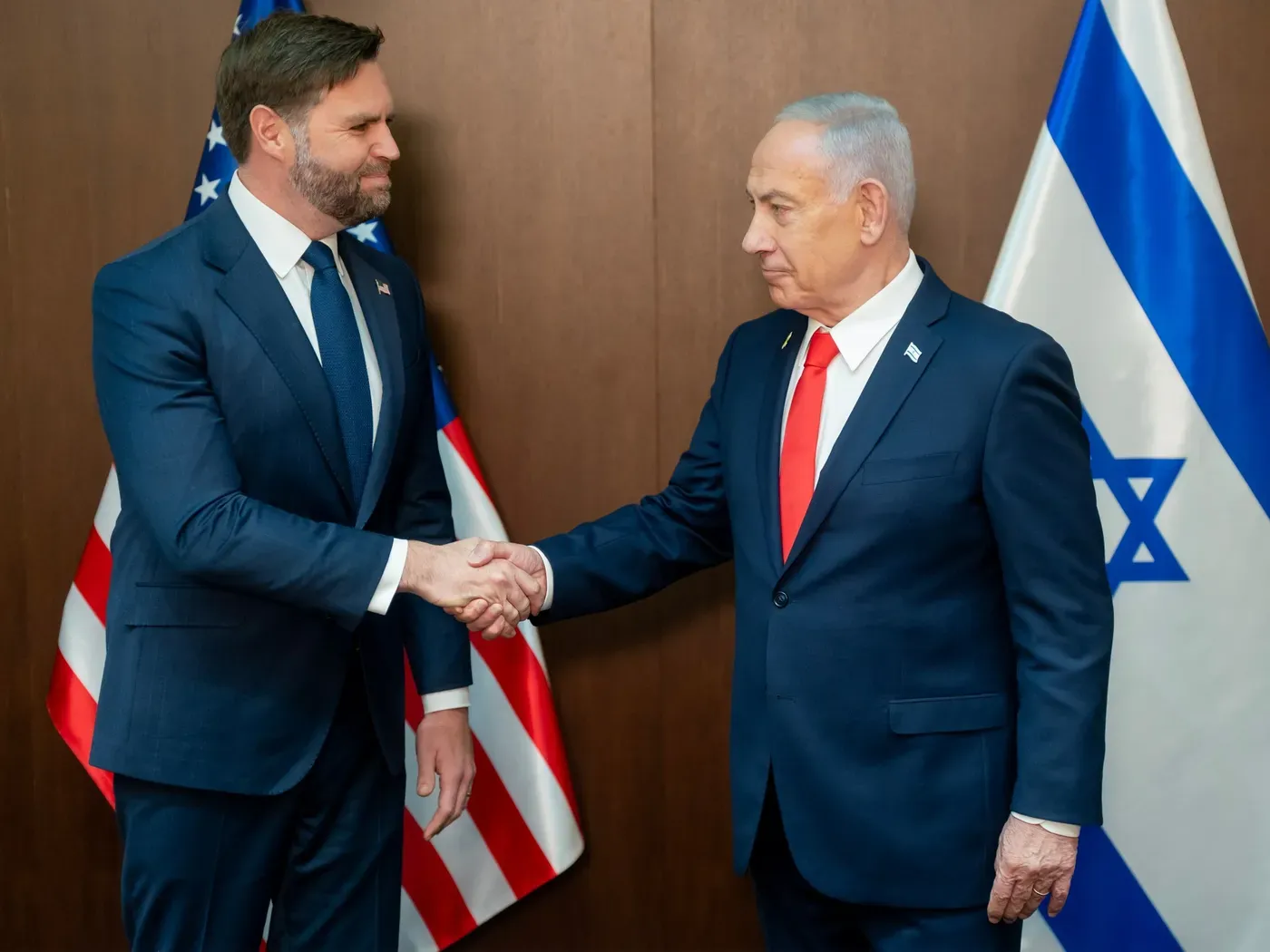
Iran is assessing the implications of Vice President JD Vance's sudden removal from handling US-Iran relations to focus on domestic issues instead. This shift could potentially escalate tensions between the two nations, according to analysts who have studied the situation.
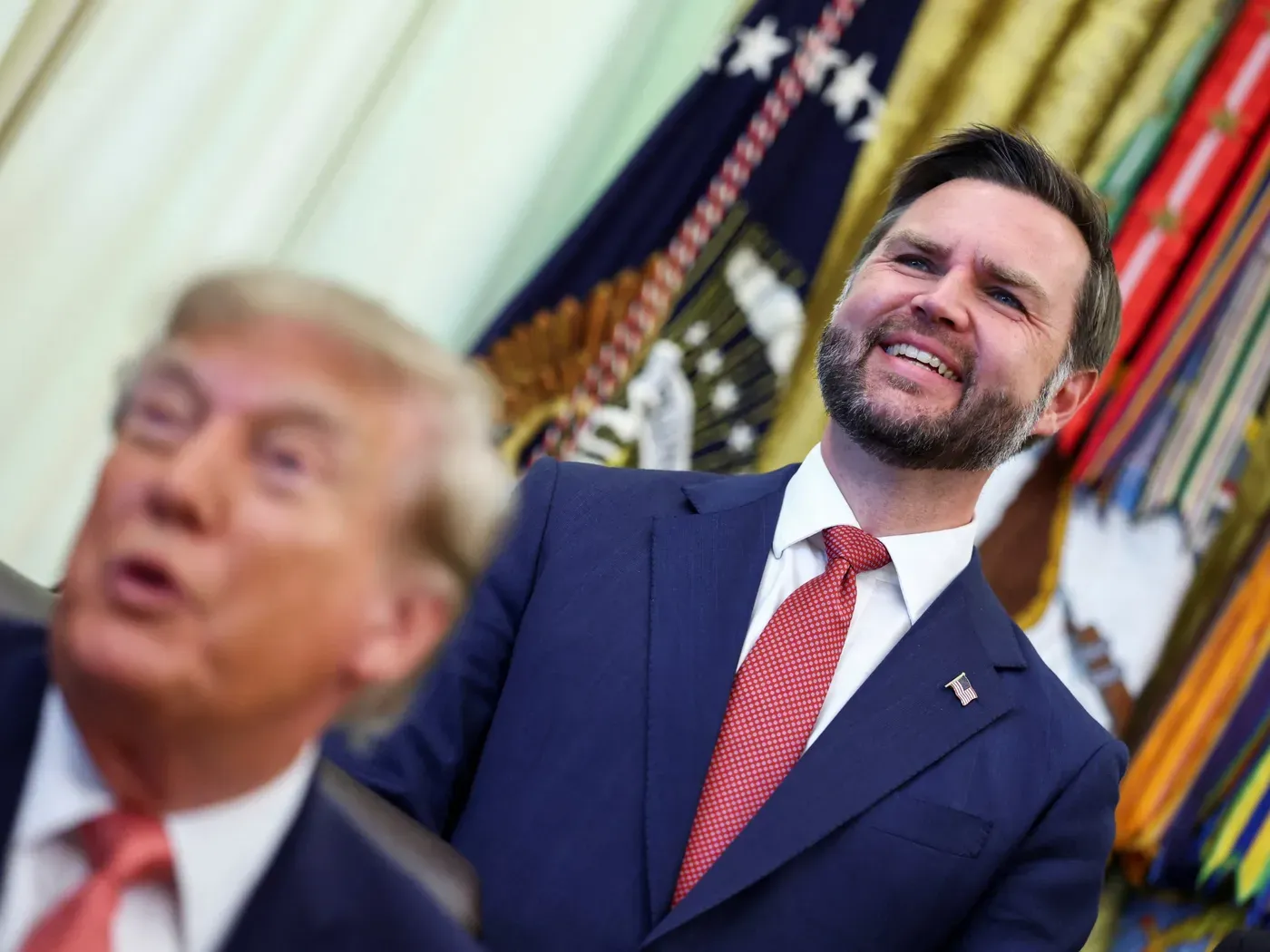
The decision to redirect Vance's attention comes after US President Donald Trump announced that he wants him to concentrate on alleged Democratic "corruption, as stated in a post on Truth Social on Thursday. Trump made it clear that securing a deal with Iran is no longer a priority for his administration. This change of course has raised eyebrows in Tehran.
Vice President JD Vance was seen by Iranian officials as one of the more reasonable figures within the Trump administration, particularly after the US and Israel launched their surprise attack on Iran in February. His pragmatic approach had given some hope to those seeking a resolution to the ongoing conflict.
The removal of Vance from handling US-Iran relations has sparked concerns that tensions between the two nations could increase, with experts warning that this shift could lead to further conflict.
The removal of JD Vance from handling US-Iran relations has significant implications for the region, as it may signal a shift towards more aggressive policies.
According to experts, this move could embolden Israel's push for new strikes against Iran, following Vance's suggestion that the war was partly responsible for the Republicans' disappointing midterms performance.
Iran, however, views this development as a clear indication that Washington is no longer interested in finding a negotiated resolution to the conflict.
The fact that Vance had been advocating for a more diplomatic approach, due to mounting economic costs and public opposition to the war, suggests that his departure may be a deliberate attempt to steer US policy in a different direction.
Rubio's comments on Iranian authorities being insane for their demands on ending the war have been countered by his acknowledgment of the significant human cost of an all-out conflict.
Rubio has instead opted for a strategy of deepening economic pressure and isolation on Iran, which some see as a more viable option given the war's rising costs.
The diplomatic efforts to bring an end to the war between Iran and the US have been ongoing, but any progress made in recent weeks has been met with skepticism by Tehran's authorities.
Regional mediators have redoubled their efforts to bridge the gaps between the two sides, but their work is being hindered by the fact that no clear concessions have been offered by Washington. Iranian security chief Mohsen Rezaei initially expressed a positive tone towards the US's overtures, but has since dismissed claims of progress as fake news about imaginary talks.
Rezaei's comments were made in response to a letter written by JD Vance, which was addressed to him and other senior officials in Iran. The letter was seen as an attempt to rekindle stalled negotiations, but its tone and content have been met with skepticism by Tehran.
The director of the Arab Center for Iranian Studies, Mohammad Saleh Sedghian, has pointed out that US President Trump has repeatedly highlighted alleged rifts within the Iranian negotiating team. However, he notes that Iranian authorities are also questioning the reliability of any potential agreement with Washington, and are demanding clear concessions before considering a deal.
The ongoing impasse between Washington and Tehran shows little sign of easing, according to analysts who warn that a prolonged stalemate could have far-reaching consequences for both parties. The US siege on Iran, coupled with harsh sanctions, will likely continue, potentially exacting a heavier toll than even a brief military conflict with the US.
The blockade and disruptions are significantly raising the costs for Iranian people, Sedghian noted, highlighting the devastating impact of the current standoff on ordinary Iranians. With no clear resolution in sight, the situation remains perilously unstable, threatening to escalate further if left unchecked.
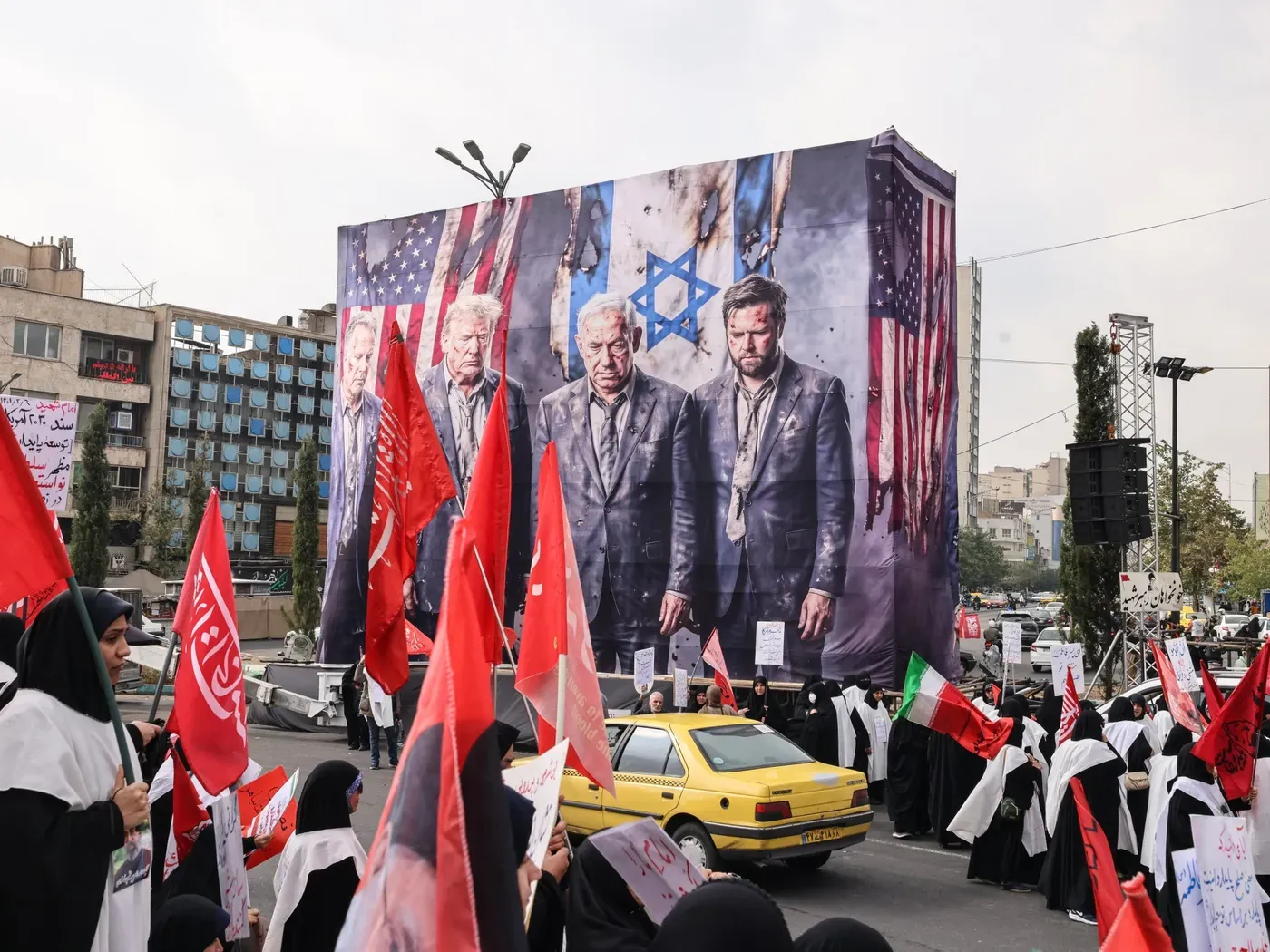
Conservative voices in Iran have been quick to seize on the Vance affair as evidence that the US is unwilling to engage in genuine diplomacy with Tehran. They argue that Washington's true intentions are far from altruistic, and that a combination of diplomatic pressure, military force, and economic coercion will ultimately be used to extract concessions from Iran.
Tensions in the Strait of Hormuz continue to simmer, with both sides trading retaliatory blows against shipping and military installations in the critical waterway. The past weekend saw several vessels come under attack after attempting unauthorized routes through the strait, highlighting the precarious nature of the situation as it stands today.
A significant number of vessels attempted unauthorized routes through the strait over the weekend, resulting in several incidents being reported by the UKMTO. These incidents highlight the fragile nature of the current situation, as multiple parties continue to navigate the complex web of tensions and restrictions.
The UKMTO's latest report revealed that 139 ships left the area while 169 entered during the week, representing a drop of approximately 65 percent from pre-conflict levels. This decline underscores the substantial impact of ongoing conflicts on global trade routes.
Iranian decision-makers are unlikely to tolerate the current situation indefinitely, according to experts, who warn that escalating tensions could lead to more severe consequences. With the blockade intensifying through maritime pressure and disruptions to overland borders and air travel, war becomes increasingly probable, as Hadian noted in a recent assessment: The authorities will either go after their warships, their vessels, or their military bases."
Facts based on reporting originally published by Al Jazeera.
You may republish this story, in full or in part, if you credit Noti Group and link to it (licence CC BY 4.0). Photos are not included.