




Gulf Defence Ministers Approve Forward Command in Kuwait Under GCC Unified Military Command
Gulf states are taking greater collective responsibility for their security with the establishment of a forward command in Kuwait.
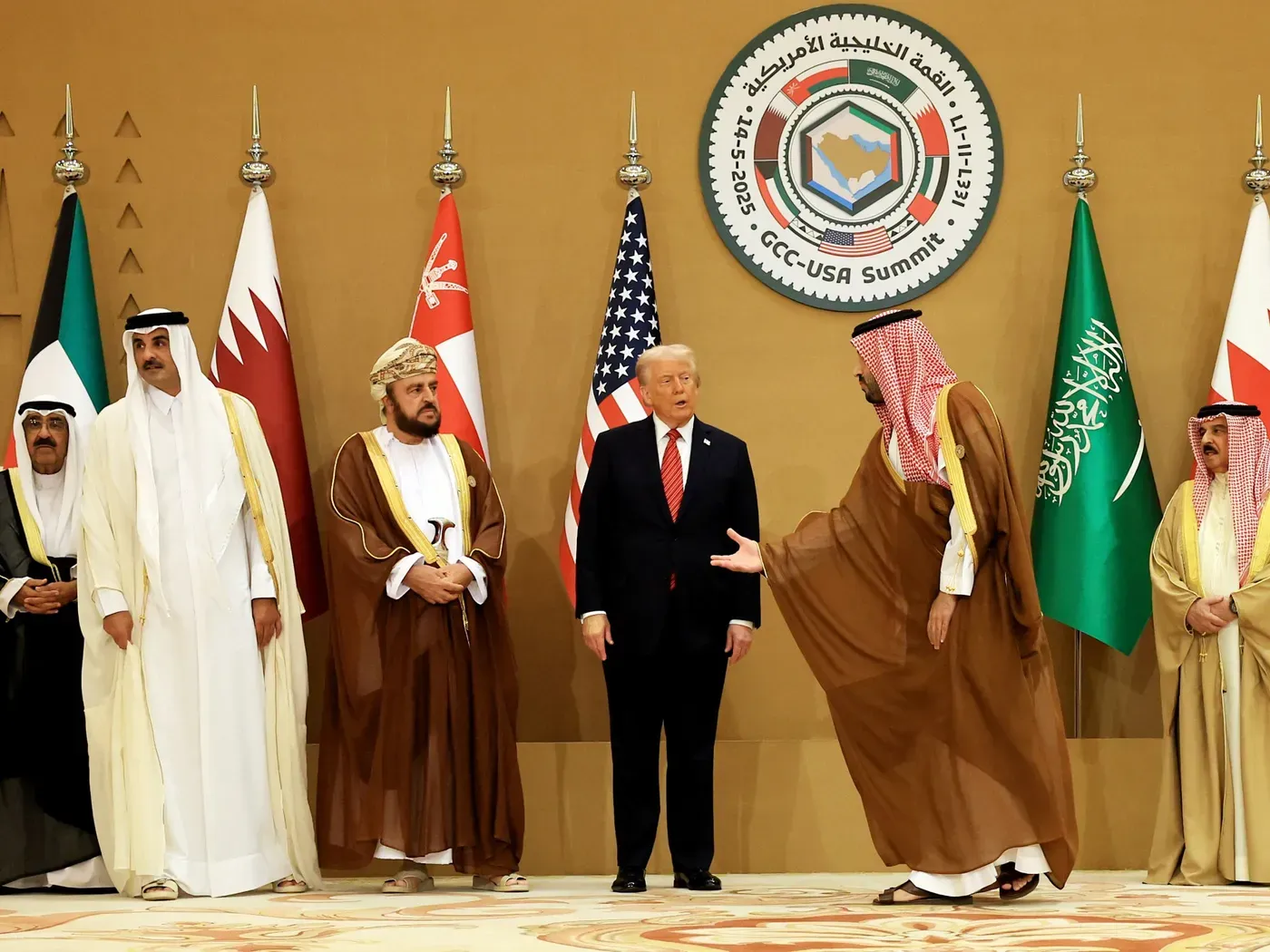
Gulf defence ministers have given their approval for a forward command to be established in Kuwait under the Gulf Cooperation Council's Unified Military Command. The move is part of a broader effort by Gulf states to take greater collective responsibility for their security.
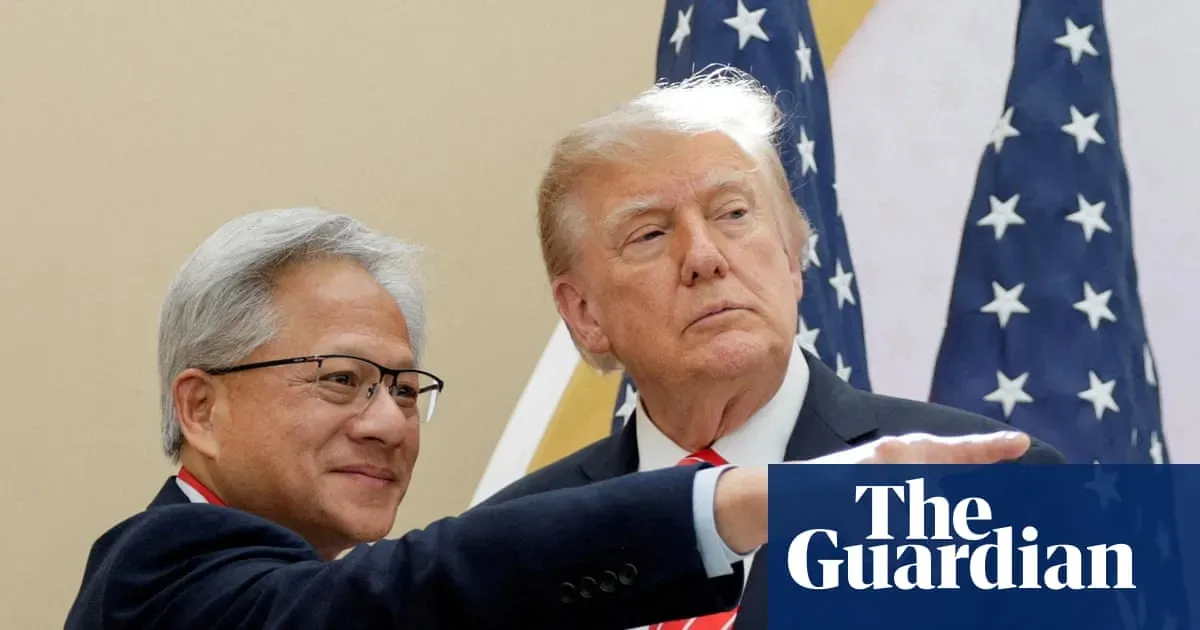
US President Donald Trump made remarks about Iran on November 9, stating that "Iran militarily is effectively over." However, his comments did not signal an end to the war or a lifting of the US blockade against the country. Instead, he left open the possibility of further military action.
The establishment of a forward command in Kuwait marks a significant step towards Gulf states taking greater control of their security. The success of this initiative will depend on how it is implemented and whether it can be effectively integrated with other regional security partnerships.
Despite any potential opening for diplomacy, the underlying security challenges facing the Gulf region remain unresolved. A lasting agreement may not be enough to address these issues, which are complex and multifaceted.
Gulf states have been working on building a layered security architecture to tackle complex threats in the region. A foundational layer comes from national capabilities and cooperation within the Gulf Cooperation Council. The relationship with the US remains central, but additional arrangements are needed to address gaps that cannot be filled by a single partner.
Different partnerships perform different functions, which is why layering is crucial in this context. National capabilities provide the base, while cooperation within the GCC adds another level of depth. The US partnership is still essential, despite the need for more diverse and specialized relationships.
Some examples of operational layers include the air and missile defence coordination cell at Al Udeid, established to improve regional coordination and share threat warnings. This facility was set up in January, aiming to prepare countries for potential contingencies through better information sharing.
The Mecca Joint Defence Agreement signed by Saudi Arabia, Türkiye, and Pakistan commits its members to collective defence. The Badr memorandum, meanwhile, sets out cooperation in defence manufacturing, research, and technical training among Qatar, Turkiye, Pakistan, and Indonesia. These agreements demonstrate the need for diverse partnerships that address different needs.
These arrangements should be assessed based on how they fill specific gaps. Collective defence, operational coordination, and industrial capacity are interconnected but cannot replace one another. Buying an interceptor is a separate problem from producing its components or deciding who will use it in a crisis.
Qatar's position within the Gulf Cooperation Council (GCC) provides a unique perspective on regional security arrangements. As a member of the GCC alongside Saudi Arabia, Qatar participates in the Badr joint military exercise with Turkiye and Pakistan. This collaboration creates multiple pathways for cooperation, even though Qatar is not a signatory to the Mecca agreements.
The connections forged through these relationships offer potential benefits for Qatar's own defense capabilities. Improved production capacity or enhanced coordination among partner nations could enhance the resources available to Qatar through its existing arrangements. A more robust deterrent against attacks on neighboring countries would also contribute to a more stable security environment.
However, any advantages derived from these connections rely on deliberate cooperation among participating governments. Qatar does not automatically inherit the security guarantees afforded by the Mecca agreements due to its association with GCC partners. The exchange of information, equipment, and expertise relies on explicit agreements between nations, underscoring the importance of diplomatic efforts in maintaining these relationships.
The interests of Gulf states converge with those of a broader group of countries concerned about the rising influence of coercion in international relations. European nations, Japan, South Korea, Singapore, Indonesia, and Pakistan all have reasons to resist an order where force regularly supersedes sovereignty and trade access is contingent on political favoritism.
The diplomatic framework for cooperation already exists, with joint declarations from the EU and GCC defending freedom of navigation through Hormuz and ASEAN and GCC ministers reaffirming sovereignty, protecting civilian infrastructure, and advocating for diplomacy.
The Gulf region's prosperity hinges on adherence to fundamental rules that safeguard its economic and technological interests. These states have a chance to collectively shape the emerging international order, leveraging their combined strength in economic, diplomatic, and technological spheres.
To maintain credibility, these nations must demonstrate consistency in upholding sovereignty, civilian protection, and mediation efforts. This means applying the same principles in various conflict zones, including Palestine, Ukraine, and the Gulf region. Even when parties at the negotiating table are politically unpalatable, mediation should remain a viable option.
In practical terms, connecting existing security arrangements is an immediate priority. Gulf governments and their partners must agree on protocols for sharing warnings, mobilizing capabilities, and exercising authority to request assistance across different frameworks. Joint exercises would then test these connections under pressure, including scenarios where one partner cannot participate.
Protecting critical infrastructure remains a crucial task. Energy, water facilities, ports, and communications networks require sustained cooperation on protection and repair efforts. A partnership that can swiftly restore essential services contributes directly to regional security, even in the absence of a mutual defense pact.
Gulf states must also prioritize diplomacy to prevent escalation, which should form an integral layer of their collective approach. Channels with Iran, arrangements for preventing maritime incidents, and mechanisms for managing escalation are all essential components. The ongoing talks present an opportunity for Gulf nations to pursue reciprocal, verifiable restraint with their counterparts.
The Gulf region's diverse interests and constraints create a complex landscape for cooperation on security matters. Every participant in this framework remains sovereign, with their own set of priorities and limitations. This diversity is reflected in the varying capacities and willingness to act among Gulf states themselves, as well as their external partners.
These partners face distinct constitutional requirements, domestic pressures, and relationships with other powers that influence their ability to contribute to regional security. Some constraints are inherent and long-standing, while others stem from political choices that can be revised over time. A government may possess the necessary resources to provide intelligence but lack the will to deploy forces on the ground.
The risk of duplicated effort, false expectations, or unintended involvement in disputes also exists when multiple partnerships overlap. Clear responsibilities and consultation procedures are essential to mitigate these risks. Agreements must be carefully crafted to ensure they deliver tangible benefits rather than adding unnecessary complexity.
A more realistic goal for this security architecture is relative peace and stability, characterized by fewer opportunities for coercion and a lower risk of crises spreading rapidly. This means containing conflicts before they escalate and protecting civilian life from the consequences of each new confrontation. Reducing the frequency and impact of violence is crucial to achieving this objective.
Continuing work towards durable settlements is also necessary to prevent permanent emergency from becoming an acceptable state of affairs in the region.
To truly prevent future conflicts from spiraling out of control, Gulf states must now bolster their partnerships and fortify their defense capabilities in a meaningful way. This entails clearly defining boundaries to mitigate the risk of escalating tensions into all-out war.
The ultimate goal is to create a region where multiple nations can collaborate effectively on common security challenges, thereby reducing the likelihood of widespread conflict that drags everyone into its vortex.
Facts based on reporting originally published by Al Jazeera.
You may republish this story, in full or in part, if you credit Noti Group and link to it (licence CC BY 4.0). Photos are not included.