






Ukraine's Military Faces Disruptions to Starshield Satellite Service Again
A disruption to Ukraine's access to the Starshield satellite service has been announced by President Volodymyr Zelensky, coinciding with diplomatic efforts to end the war in Ukraine.
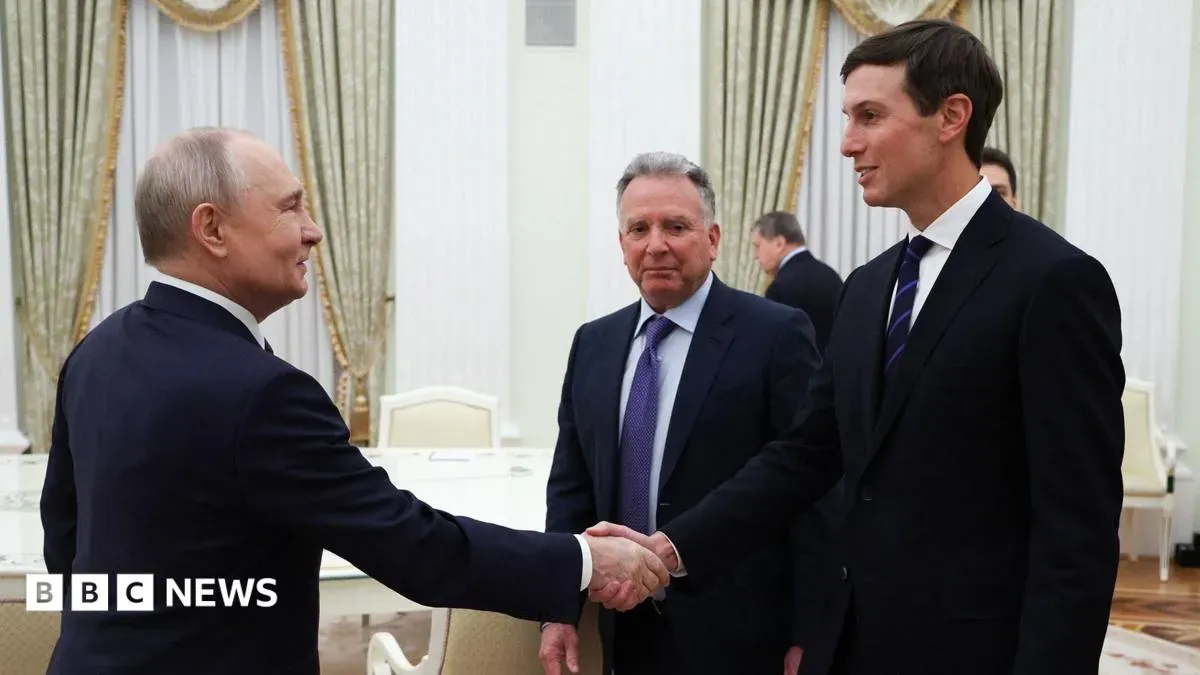
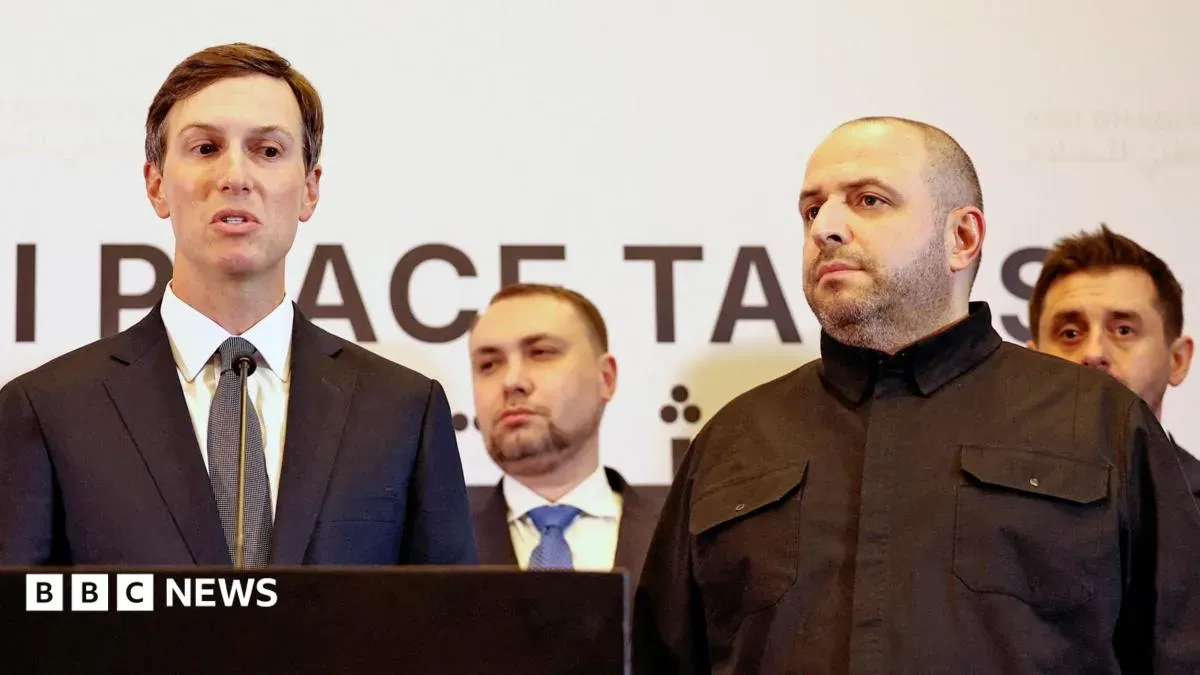
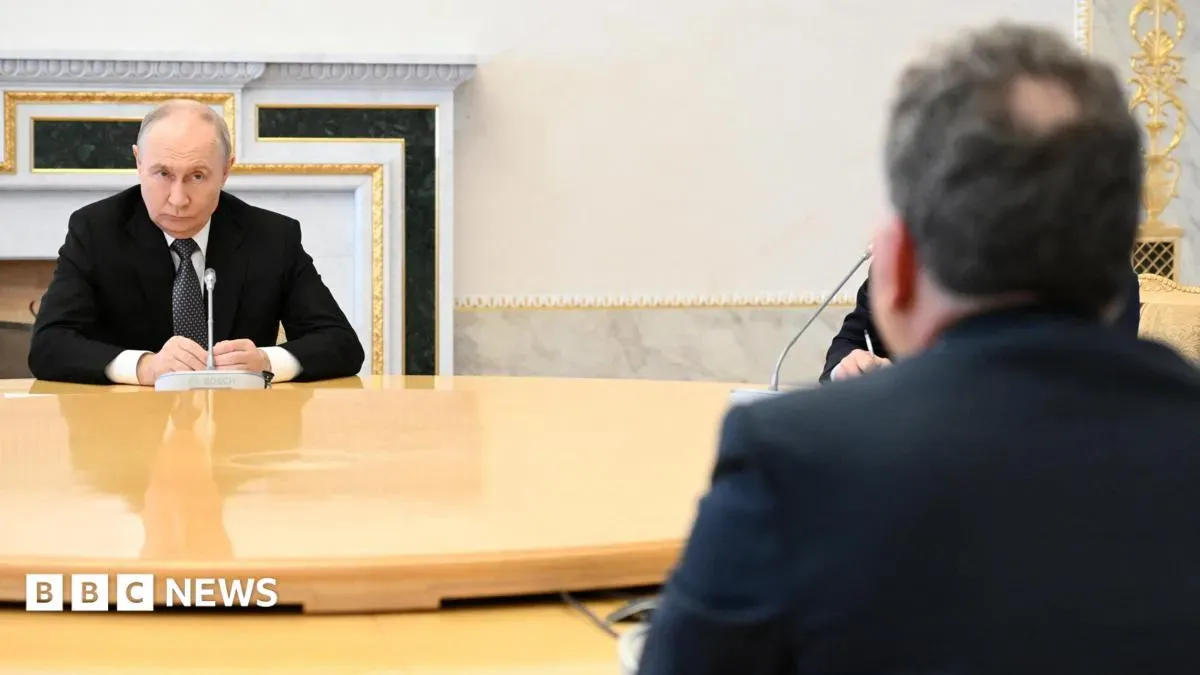
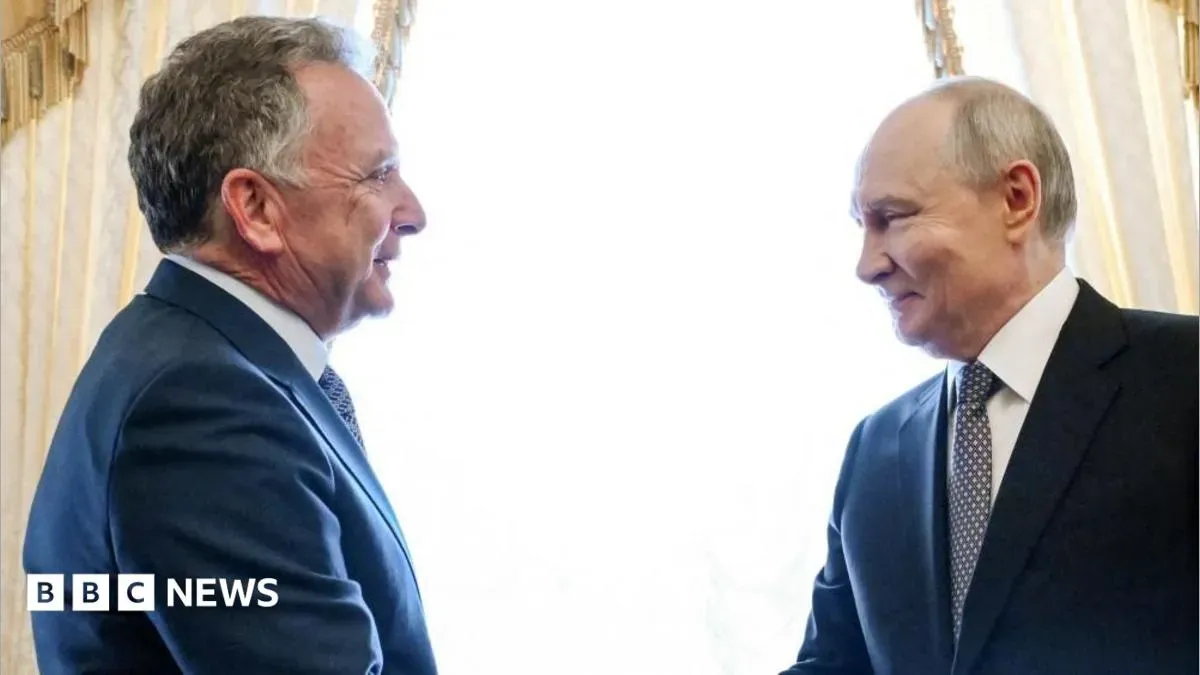
Ukraine's President Volodymyr Zelensky has announced that Ukraine's military is once more facing disruptions to its access to the Starshield satellite service, a critical tool in intercepting Russian drones. This comes at a time when US envoys Jared Kushner and Steve Witkoff are holding talks with Russian President Vladimir Putin in Moscow.
The meeting in Moscow follows a day of intense diplomatic efforts aimed at ending the war in Ukraine, which concluded in Abu Dhabi yesterday. Zelensky has stated that Ukraine is working to resolve the issues surrounding Starlink's military-grade satellite service with the American side.
However, Zelensky emphasized that some aspects are already clear: If someone in America is making decisions that treat Ukrainian territory as if it were not under Ukrainian control, then this tells us where things are headed. He made these remarks to European leaders during a meeting in Dublin.
The Starshield service, developed by Elon Musk's SpaceX for government and military use, has become essential for facilitating communication on Ukraine's front line. A similar disruption occurred last month, affecting connectivity for about a week before it was resolved.
The disruption of Starlink services in Ukraine has caused significant concern for the military, which relies heavily on the satellite internet connectivity. The current outage is ongoing and has been described as "helping the Russians kill more Ukrainians" by President Zelensky, highlighting the importance of this technology.
Ukraine's reliance on Starlink can be attributed to its limited domestic infrastructure, which makes it difficult for the country to provide stable internet services to all regions. This vulnerability is further exacerbated by the ongoing conflict with Russia, which has disrupted communication networks and made it challenging for Ukraine to maintain a reliable connection.
Meanwhile, US envoys Kushner and Witkoff are in Moscow for high-level talks with President Putin. They were welcomed at the Kremlin, where they met with senior advisors and discussed various issues, including a proposed five-day ceasefire in Kostyantynivka, a contested Ukrainian city in Donetsk.
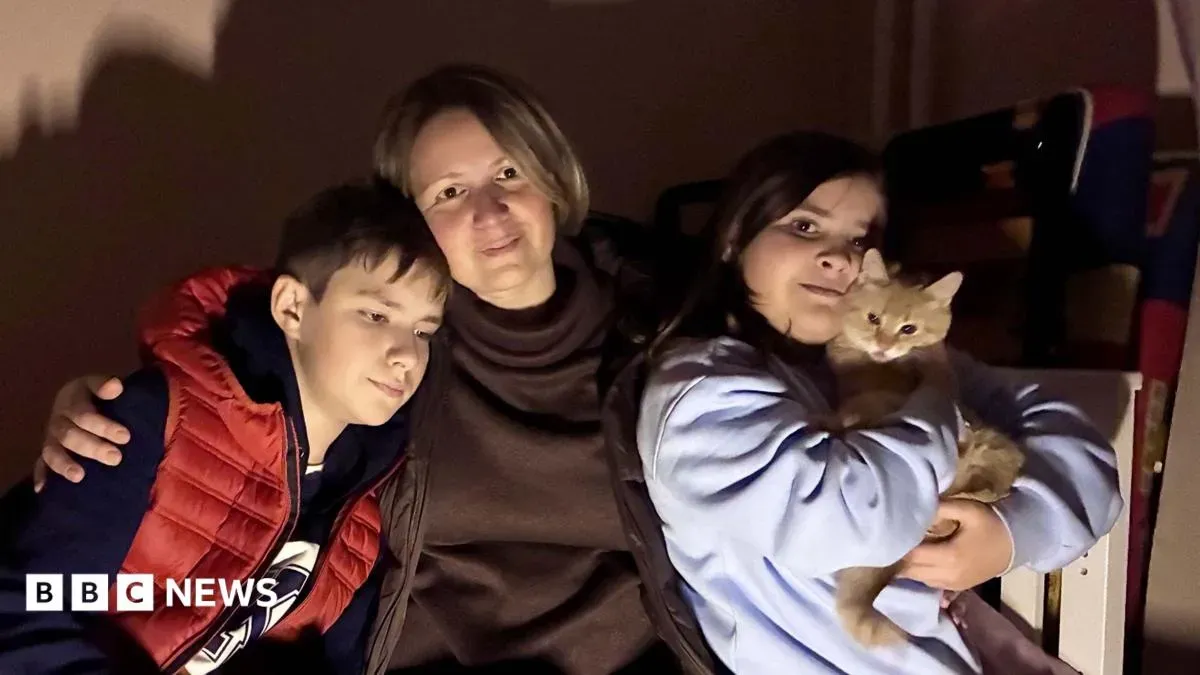
Putin has expressed gratitude to US First Lady Melania Trump for her involvement in last month's Kherson region ceasefire, which facilitated the evacuation of hundreds of civilians from Oleshky. He also suggested that a similar truce could be arranged for Kostyantynivka, potentially allowing Russian troops to make further gains in the region.
The Ukrainian presidential adviser Dmitry Lytvyn has expressed skepticism over Russia's intentions in Kostyantynivka, suggesting that Moscow is trying to disguise its military buildup as a humanitarian operation.
This move comes as US envoys are meeting with Russian President Putin in Moscow, a development that was only announced on Wednesday after two days of talks focused on postwar security architecture for Europe. The meetings highlight the shifting dynamics in international diplomacy surrounding Ukraine's conflict.
Russia has maintained its stance on Ukrainian territory since launching its full-scale invasion nearly five years ago, refusing to back down from demands for sovereignty and Western guarantees against future attacks. This maximalist approach has left little room for compromise or concessions.
Putin reiterated Russia's position on Thursday, stating that the presence of foreign troops in Ukraine is "unacceptable" and calling for US engagement with European leaders to determine a clear path forward. He emphasized the need for Europeans to decide whether they prioritize peace or war.
The recent shift in diplomatic efforts has seen many European nations re-engaging with Russia after years of severed communications, driven by concerns over the current US administration's commitment to European security and its relations with the Kremlin.
The meeting between US envoys and Russian President Vladimir Putin has shed light on the complexities of international diplomacy, particularly when it comes to Europe's role in negotiations.
Kushner urged European nations to designate a single representative to speak on their behalf in future talks, but Russia has resisted this idea due to concerns over Europe's continued support for Ukraine. This stance is rooted in the fact that Russia views Europe's backing of Kyiv as a major obstacle to finding common ground.
The outcome of these discussions will significantly impact efforts towards achieving peace, with key players such as Ukraine, the US, and Europe holding considerable sway over the outcome.
Facts based on reporting originally published by BBC News World.
You may republish this story, in full or in part, if you credit Noti Group and link to it (licence CC BY 4.0). Photos are not included.