





Russia-Ukraine Talks in Abu Dhabi Conclude Without Breakthroughs
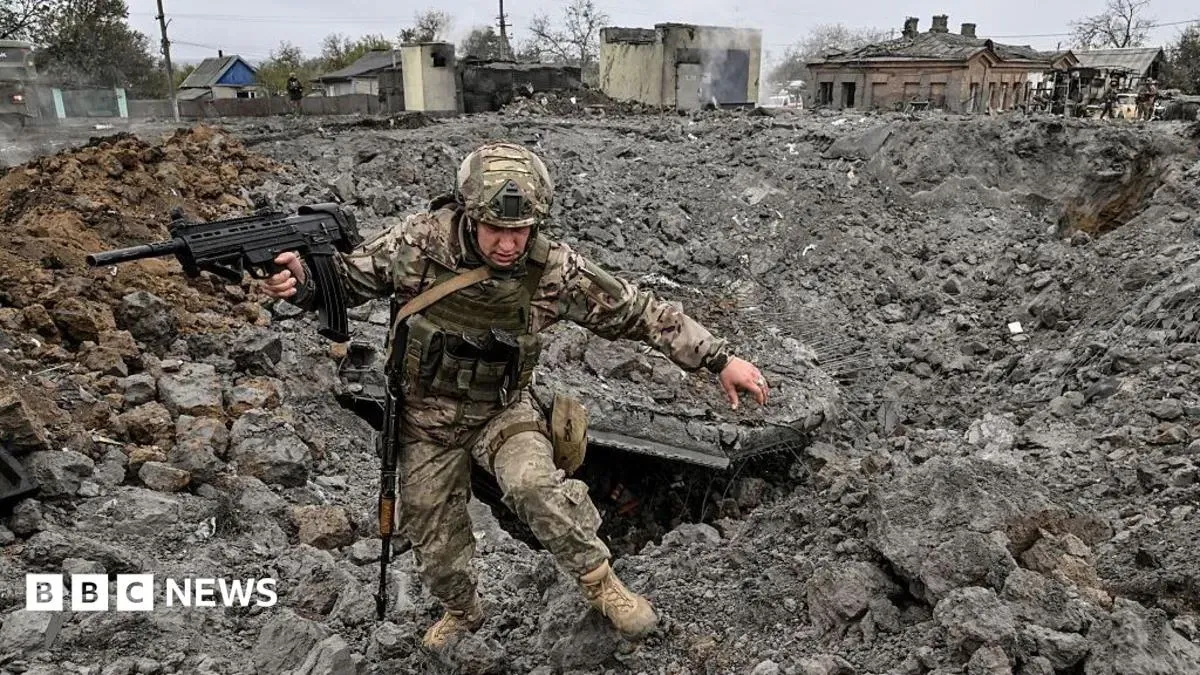
Talks between Russia, Ukraine, and the US in Abu Dhabi have wrapped up after a second day without any significant breakthroughs towards ending the ongoing war in Ukraine.
Talks between Russia, Ukraine, and the US in Abu Dhabi have wrapped up after a second day without any significant breakthroughs towards ending the ongoing war in Ukraine.
The American delegation expressed some optimism about the discussions, but acknowledged that substantial progress remains elusive nearly five years into the conflict sparked by Russia's invasion. Despite this, officials from both sides hinted at potential developments on the horizon. A major prisoner of war exchange is reportedly being planned and could be carried out soon.
Ukraine's negotiating team described the current round of talks as particularly challenging, with Davyd Arakhamia suggesting that Russian negotiators were strictly bound by directives from their government. He expressed hope for a second round of discussions to be held as soon as possible, citing "good momentum generated during the Abu Dhabi meetings.
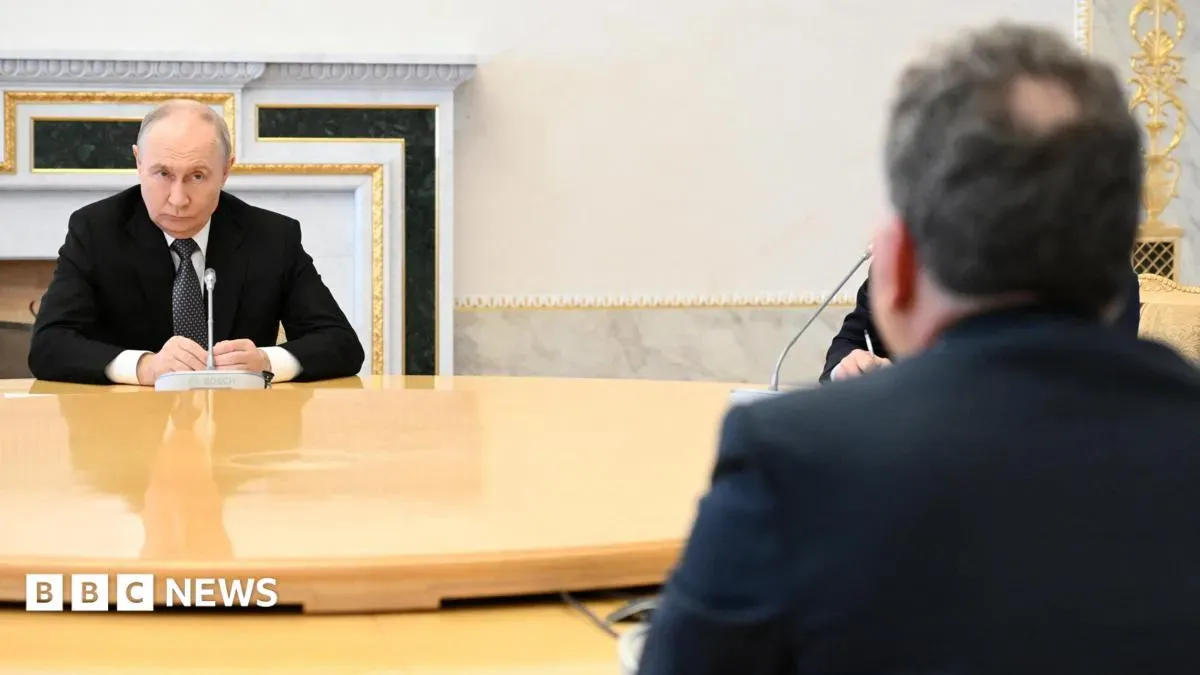
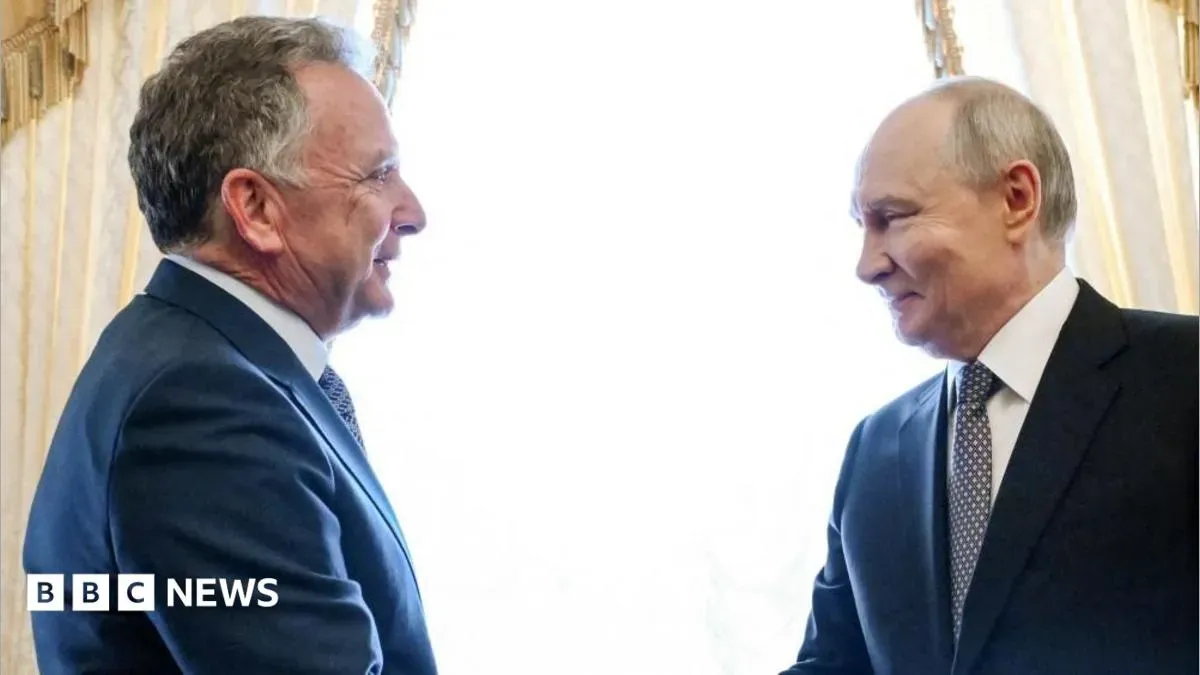
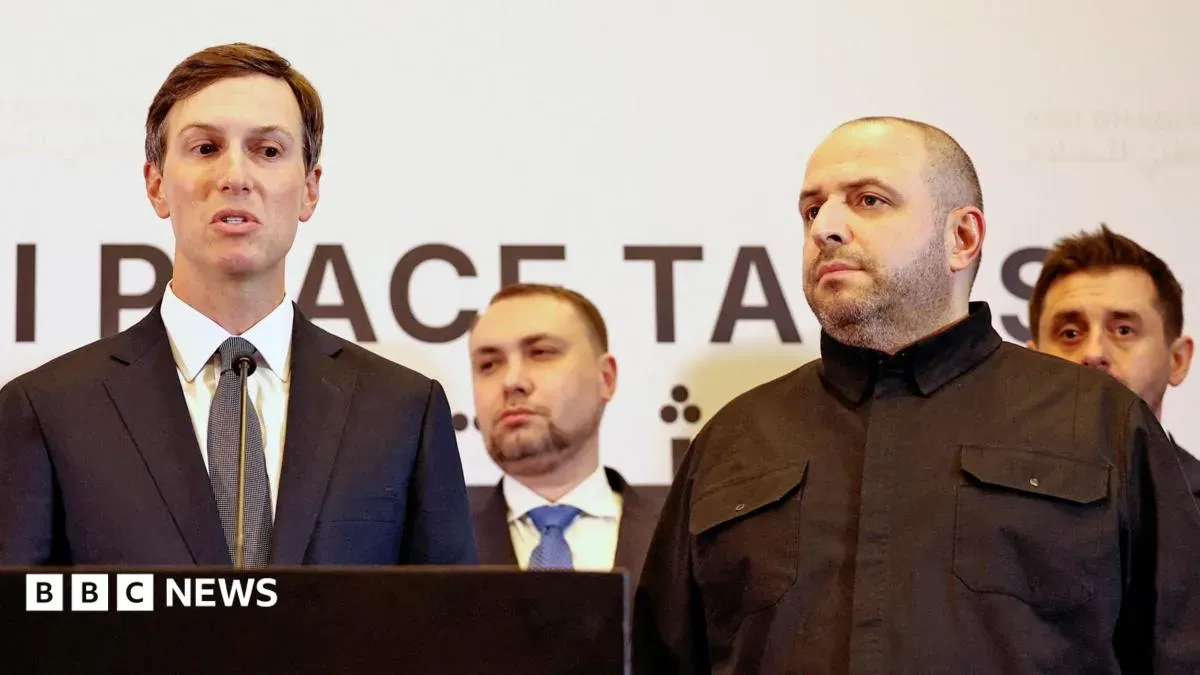
A key development in the aftermath of the talks is a planned visit to Moscow and Dublin by US negotiators Steve Witkoff and Jared Kushner. They are set to meet with Russian President Vladimir Putin on Thursday before traveling to Ireland to speak with Ukraine's Volodymyr Zelensky, marking an important step towards direct communication between the parties involved in the conflict.
The security architecture of Europe was at the forefront of this week's Russia-Ukraine talks in Abu Dhabi, as both sides sought to address their concerns about post-war stability. For Ukraine, a key issue is obtaining guarantees from its allies that they will come to its aid if it faces another attack, despite not being a member of NATO. This reassurance is crucial for Kyiv, which has been concerned about the implications of NATO's expansion into eastern Europe.
Moscow, on the other hand, is likely to push for limits on NATO's influence in the region, a long-standing concern for the Kremlin since the alliance began expanding eastward. The US has expressed its hope to create a new framework for security between Ukraine, Russia, and Europe that could secure lasting peace. Meanwhile, Kremlin negotiator Vladimir Medinsky emphasized the need for a new" and "fair security system.
Ukraine and European partners have been skeptical about the current US administration's commitment to European security and its apparent softening towards Moscow. This concern has been ongoing, with some questioning whether the US is willing to take a stronger stance against Russian aggression. The presence of representatives from Britain, NATO, and various EU countries in Abu Dhabi underscores the complexity of these diplomatic efforts.
Despite these international players being present in Abu Dhabi, it appears that the Kremlin's delegation did not engage with them directly. This lack of communication has raised questions about the effectiveness of these talks in achieving a breakthrough on post-war security arrangements.
The European Union's involvement in post-war security arrangements has been a contentious issue in the Russia-Ukraine talks. Despite being a crucial player in any future dynamics on the continent, Moscow has shown little enthusiasm for European participation.
Eastern European countries are particularly concerned about their own security being linked to that of Ukraine, and they believe that agreements cannot be implemented without a consensus among NATO members. This sentiment was echoed by a German government spokesperson who emphasized the need for unity among NATO nations.
The US is trying to bring Europe into the fold, with Jared Kushner stating that getting European countries added to the format" would be a priority in his talks with Putin. However, there are still significant disagreements on how to proceed.
One of these disagreements revolves around whether discussions on a future security framework should precede or follow a ceasefire. The Europeans and Kyiv want to establish a ceasefire before discussing security arrangements, while the Kremlin insists that fighting can only stop once an agreement has been reached.
The war in Ukraine cannot end until there's a resolution on territorial issues and other bilateral matters, Kushner noted, highlighting the complexity of reaching a peace settlement. This is particularly challenging given the ongoing dispute over the eastern region of Donetsk, which is largely occupied by Russian forces.
The complex negotiations between Russia and Ukraine have hit a snag over post-war security arrangements, with both sides struggling to reach an agreement.
This has proven particularly challenging given the ongoing dispute over the eastern region of Donetsk, which is largely occupied by Russian forces. Kushner acknowledged that this matter was the hardest aspect of the talks, while Kyrylo Budanov refused to comment on whether Russia still demands a Ukrainian withdrawal from the region.
Facts based on reporting originally published by BBC News World.
You may republish this story, in full or in part, if you credit Noti Group and link to it (licence CC BY 4.0). Photos are not included.