





Android TV and Google TV Users Modifying Software for Customization
Users are modifying their TVs by tweaking underlying software code to improve performance and customize their viewing experience, using large language models and open-source tools.
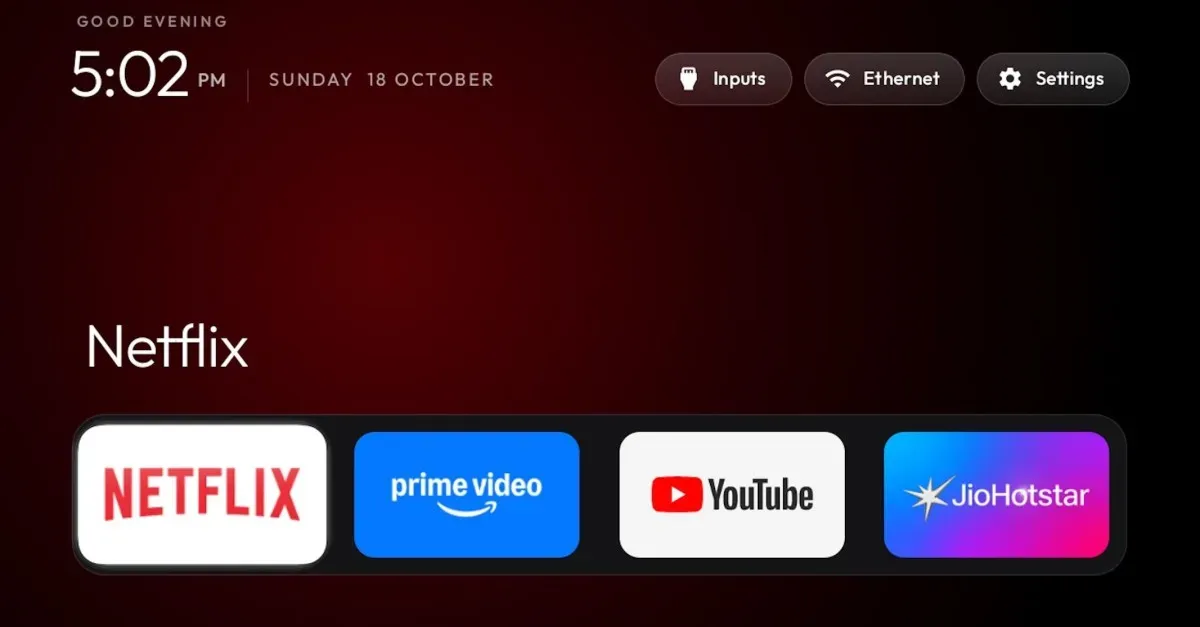
A growing trend has emerged on social media where people are modifying their TVs by tweaking underlying software code to improve performance and customize their viewing experience.
The modifications involve using large language models (LLMs) and open-source tools to remove unwanted features such as ads and tracking, trim bloat to make the operating system run faster, and even redesign the TV's homescreen layout.
Some enthusiasts have taken it a step further by creating custom launchers that replace the built-in app launcher with simpler alternatives. This has led to creative examples like transforming the TV's homescreen into a virtual Pokémon town.
Several projects have gained traction over the weekend, including Cleanyourtv, tv-detox, and dumbtv, which claim to achieve similar goals without requiring users to hack or root their TVs.
These modifications are primarily focused on Android and Google TV operating systems used in devices from brands such as TCL, Hisense, Sony, and older Amazon Fire products.
The modifications to Android and Google TV operating systems are being adapted for use in a wide range of devices from various brands. These include TCL, Hisense, Sony, and older Amazon Fire products, suggesting that the potential for customization is extensive.
The GitHub pages associated with these projects indicate that some Fire TV products using custom forks of Android can also be modified, although this may not apply to newer models like the Vega-based Fire TV Sticks.
One notable aspect of these modifications is their reliance on built-in developer tools. This means that they do not require root access or firmware hacking, and are even reversible if needed.
The projects often use existing capabilities in Android, such as installing custom launchers, which can be created with the assistance of tools like Claude Code.
Some developers have pointed out that none of these modifications rely on AI, but rather take advantage of features already present in Android, occasionally reinventing the wheel in the process.
TV manufacturers have found innovative ways to gather data from users through their devices.
The trend is evident in the use of automatic content recognition (ACR) and digital fingerprinting, which enable companies to identify what content is being watched on a TV and send that information to their ad partners for targeted advertising.
This practice also allows manufacturers to measure audience metrics and provide show recommendations based on viewing history. However, it's worth noting that users must agree to ACR tracking when setting up their TV, with some options available to opt out later in the device's menus.
Some TVs also send data to manufacturer-specific servers, which are often encrypted during transmission, making it difficult for users to determine exactly what information is being shared.
When users attempt to turn off targeted ads on their TVs, they often find that the options are buried in menus and not easily accessible.
This raises concerns about whether companies are still collecting user data even after targeted ads have been disabled, which can be unsettling for those who value their privacy.
The practice of "vibe coding" has emerged as a way for people to take control of their TV's user experience and potentially avoid unwanted data collection.
However, there are also risks associated with attempting to hack or modify one's TV in this manner.
The trend of vibe coding is gaining momentum as people seek better TV experiences. This dissatisfaction stems from various issues, including intrusive ads, data collection practices, and cluttered interfaces that hinder user enjoyment.
As AI-powered tools become increasingly accessible, it's likely that more individuals will take matters into their own hands by creating customized solutions to address these grievances.
Facts based on reporting originally published by The Verge.
You may republish this story, in full or in part, if you credit Noti Group and link to it (licence CC BY 4.0). Photos are not included.