






Pamela Abdy Receives Vanguard Award at WIF Honors Event
Pamela Abdy received the inaugural Vanguard Award for her contributions to filmmaking and leadership in the industry.
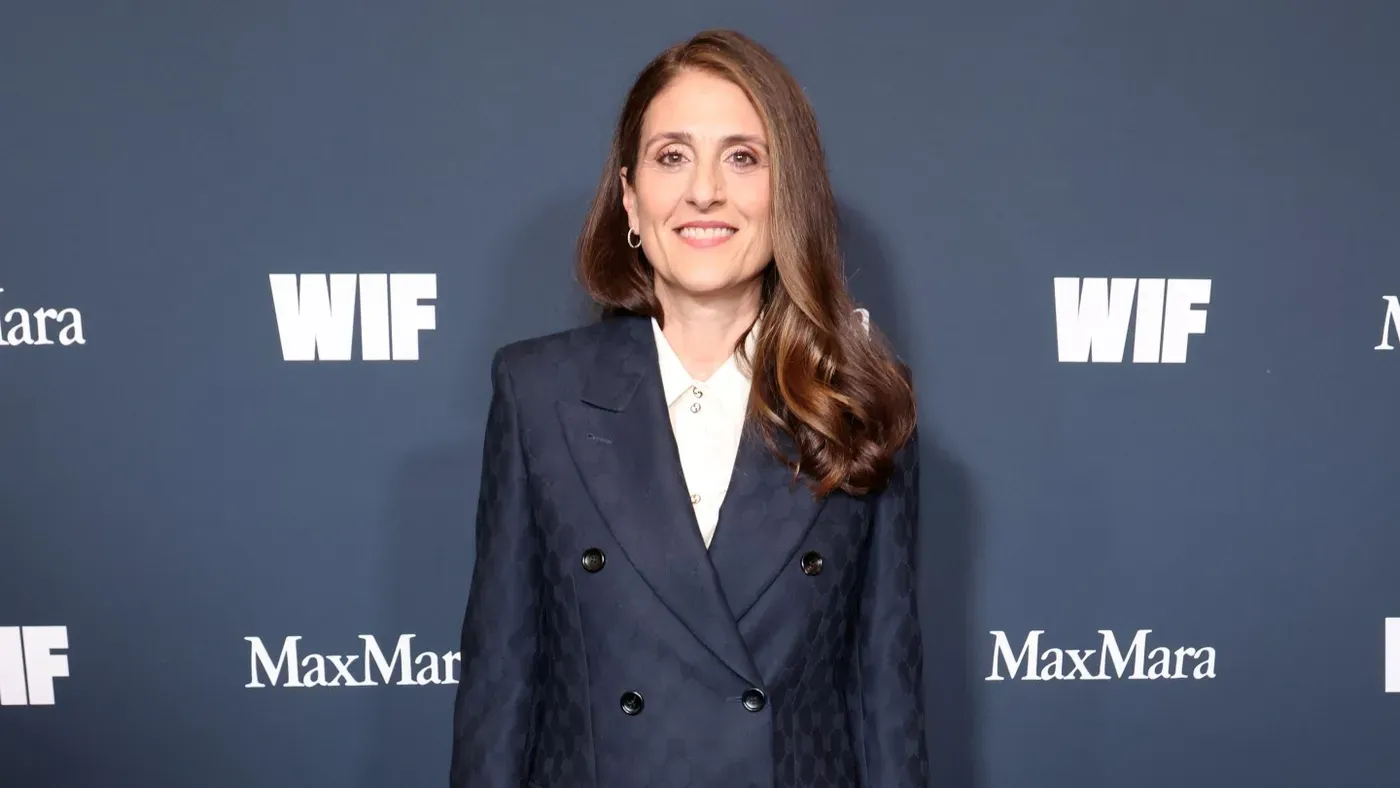
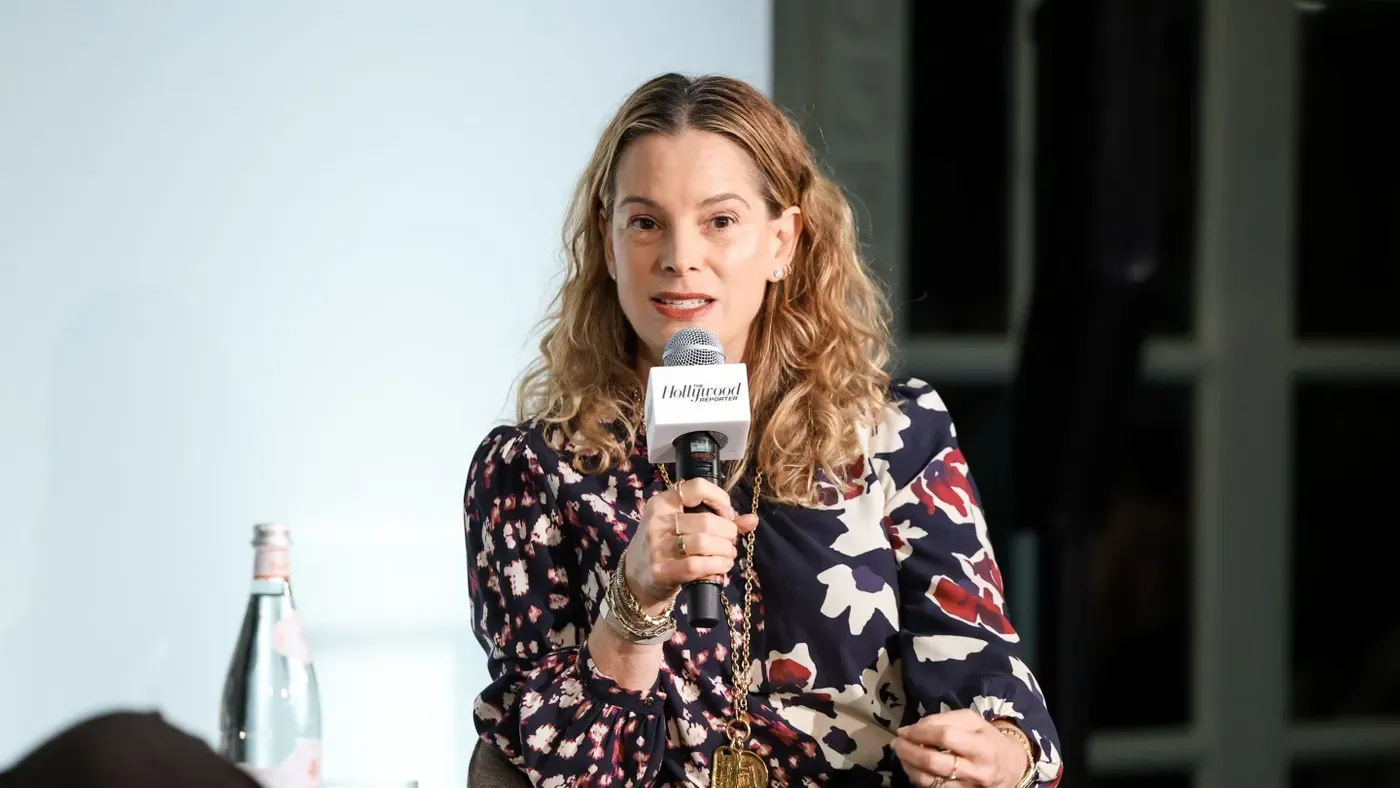
Pamela Abdy made her first public appearance since leaving Warner Bros., stepping out at Women in Film's annual WIF Honors event on Thursday. The event marked a significant occasion for Abdy, as she received the inaugural Vanguard Award, recognizing a leader whose career embodies qualities that drive progress in the industry.
The honor was presented by renowned director Nancy Meyers, who acknowledged Abdy's contributions to filmmaking. This recognition comes at a time when Paramount Skydance has completed its $111 billion merger with Warner Bros., marking a significant shift in the entertainment landscape.
Taking the stage, Abdy reflected on her experiences working with esteemed filmmakers and striving to create films that spark meaningful conversations and debate. However, she also expressed frustration with the current media ecosystem, which she believes prioritizes clickbait over analysis and fact-based reporting.
Abdy's speech highlighted a pressing concern in the industry, as she lamented the departure of top female executives from major studios. She acknowledged the impact these exits have on the industry's progress towards greater representation and diversity.
Pamela Abdy's speech at the WIF Honors ceremony was a scathing critique of the film industry's treatment of women. She expressed her gratitude towards the women who have paved the way for her, but also acknowledged a growing sense of frustration and anger. This feeling of rage is directed not just at those who have held her back, but also at an entire generation of women whose potential has been ignored or dismissed.
Abdy's words were laced with a sense of indignation as she spoke about the challenges faced by women in the industry. She was particularly critical of the way women are often expected to be subservient and accommodating, rather than assertive and demanding. This expectation is not only unfair, but also damaging, as it can stifle creativity and innovation.
Abdy's speech was also a call to action for male directors who have historically supported their own kind. She pointed out that men in positions of power often fail to provide the same level of support to women as they do to other men. This lack of solidarity is particularly egregious when it comes to opportunities and resources, which are often scarce and highly competitive.
The industry's treatment of women has real-world consequences, Abdy emphasized. Women's health and well-being are constantly sacrificed in favor of a more palatable image or a more appealing storyline. This is not just a matter of personal preference; it is a systemic issue that perpetuates inequality and limits opportunities for women.
Abdy's speech was a powerful reminder that the industry's progress towards greater representation and diversity will be hindered by its own biases and prejudices. Until these issues are addressed, women will continue to face obstacles and setbacks that their male counterparts do not experience.
The challenges faced by women in the business are becoming increasingly evident as they struggle to break through the glass ceiling.
Abdy's speech highlighted the disparity between the number of powerful women and men in Hollywood, with most lists focusing on the former while omitting the latter.
She questioned whether the industry is leaving a healthy legacy for future generations of storytellers and executives, particularly considering that many women still have to fight the same battles as their predecessors.
Abdy's frustration stems from her own experiences, which have led her to funnel her rage into making positive changes in the industry.
The recent election has given Abdy some hope, with the appointment of several women to top political positions, but she remains focused on addressing the systemic issues that hinder women's progress in Hollywood.
As a veteran of 31 years in the business, Abdy has learned to speak her mind and no longer be intimidated by those who label her as difficult.
As a seasoned executive, Pamela Abdy is not one to shy away from speaking her mind, especially when it comes to issues affecting women in the industry.
In an interview after being honored at the WIF Awards, Abdy reflected on the recent layoffs and restructuring that have seen several top female executives leave their posts. While acknowledging that these developments are certainly unsettling, she emphasized the importance of perseverance and supporting emerging talent.
Abdy expressed her disappointment over the departure of women like Cindy Holland from Paramount and Bela Bajaria from Netflix, but also highlighted the resilience and accomplishments of these individuals. According to Abdy, it's not the one moment that defines a person, but rather their body of work and future endeavors.
The WIF Awards continued with tributes to several trailblazing women in the industry. Adria Arjona was recognized for her rising star status with the Max Mara Face of the Future Award, while Gemma Chan and Beth de Araújo received Crystal Awards for Advocacy in Film for their work on Josephine.
The night's honorees also included Hannah Waddingham, who received a Crystal Award for Advocacy in TV for her role in Ted Lasso, and Salma Hayek Pinault, who was presented with the Jane Fonda Humanitarian Award by Fonda herself.
Facts based on reporting originally published by The Hollywood Reporter.
You may republish this story, in full or in part, if you credit Noti Group and link to it (licence CC BY 4.0). Photos are not included.