
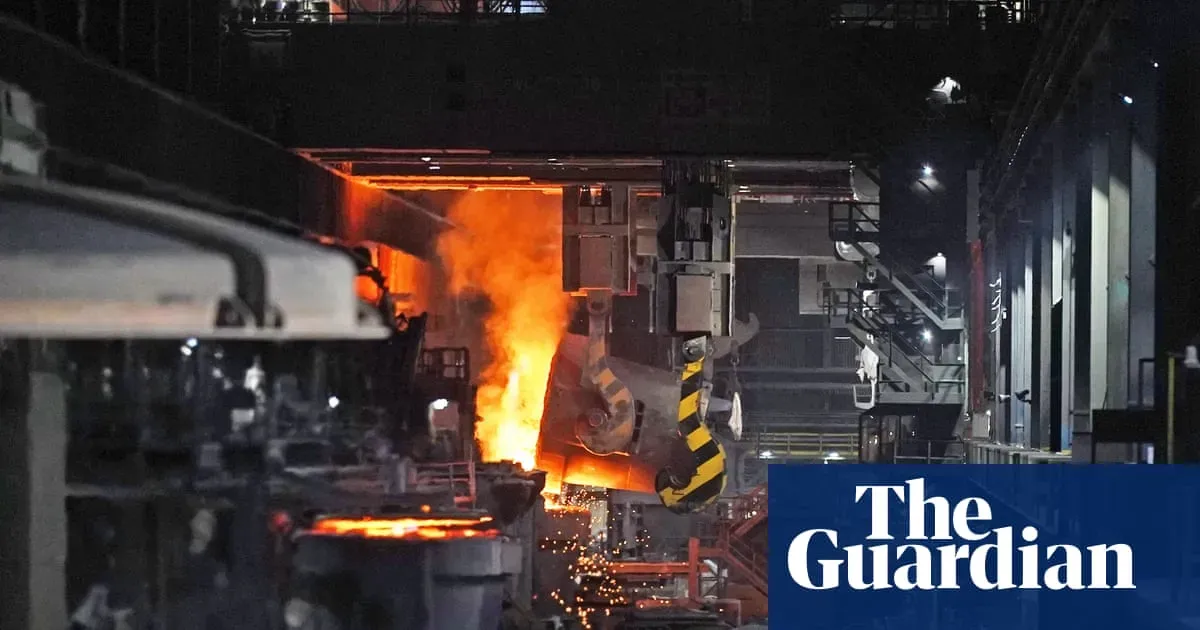







China's Economy Rebounds in Third Quarter With 4.5% Growth
Official Chinese data shows the economy grew by 4.5% in the third quarter after a three-year low, partly due to artificial intelligence exports.
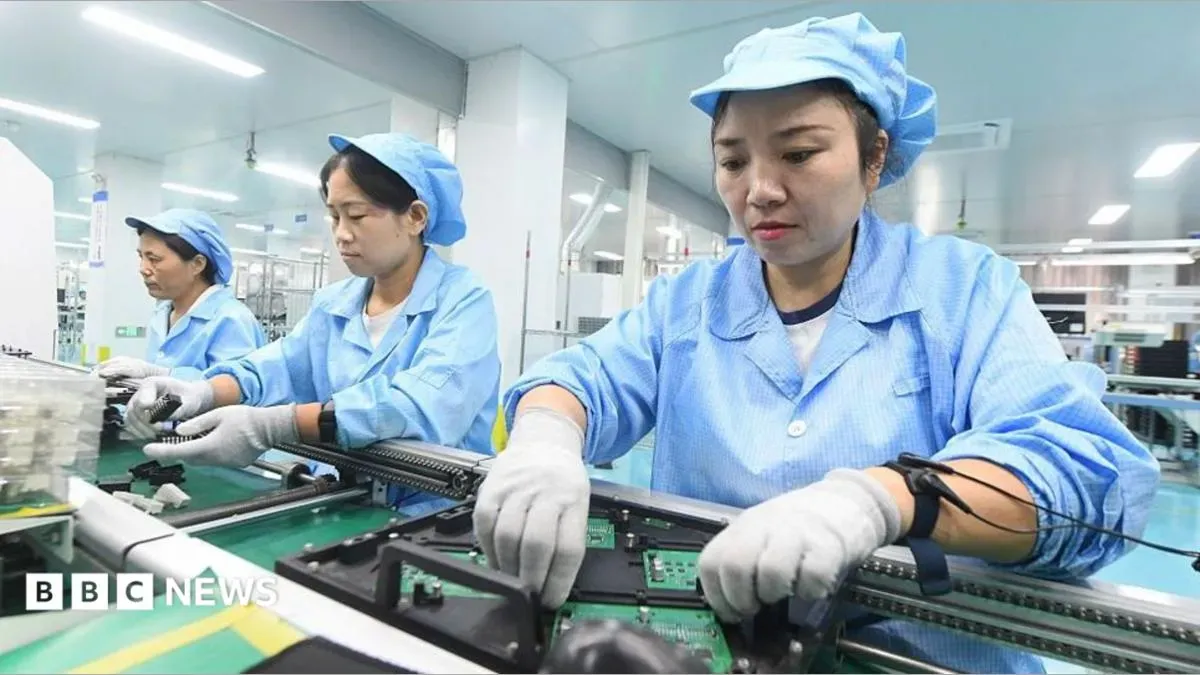
China's economy has rebounded in the third quarter of this year, growing by 4.5% after a three-year low, according to official Chinese data. This growth is partly attributed to the surge in artificial intelligence exports, which have helped boost the country's trade.
The latest figure falls within Beijing's annual growth target of 4.5%-5%, giving policymakers some room to address domestic economic challenges. However, despite this improvement, global trade tensions and uncertainty surrounding AI investments are still causing concerns about China's economic outlook.
China's National Bureau of Statistics announced on Monday that the economy has shown steady development against external pressures, thanks in part to new growth drivers and improvements in its economic structure. This is a positive sign for policymakers who have been working to stabilize the country's economy.
The growth in exports is also expected to result in a significant increase in China's trade surplus, potentially surpassing last year's record of $1.2tn.
China's economic growth is being driven by a surge in exports, particularly in the technology sector. The country's manufacturing industry has been boosted by strong demand for computer chips and other components used to build artificial intelligence (AI) data centres.
According to official statistics, property investment fell by more than 20% in the first nine months of this year compared to the same period last year. This decline is a continuation of China's long-running property slump, which has been caused by years of overbuilding and excessive borrowing by private developers.
Oxford Economics researcher Sheana Yue attributes China's growth acceleration to manufacturing and high-tech exports, rather than domestic spending or investment. Yue notes that trade uncertainties and geopolitical issues have made Chinese consumers more pessimistic and unwilling to spend, which is contributing to the slowdown in domestic consumption.
The technology industry has been a key driver of China's growth in recent quarters, with global demand for computer chips and other components used to build AI data centres helping to ease pressure on Beijing. This trend suggests that China's economy may be benefiting from its growing reputation as a hub for technological innovation.
Chinese businesses have been relying heavily on exports to drive growth as a prolonged property slump and weak wage growth have dampened consumer spending at home.
In an effort to boost the economy, Beijing unveiled support measures in September, including lower interest rates for certain businesses and subsidies for property buyers. However, these efforts may not be enough to offset the drag from domestic weakness.
The surge in AI infrastructure investment is also raising concerns about whether Chinese companies can deliver on their promises of generating huge profits, as billions of dollars are being spent on data centres and other related projects.
Facts based on reporting originally published by BBC News Technology.
You may republish this story, in full or in part, if you credit Noti Group and link to it (licence CC BY 4.0). Photos are not included.