






Quest Diagnostics Suffers Cyberattack and Data Breach
The company has disclosed a cyberattack and data breach affecting its Quanum lab testing platform, which stores patient health records.
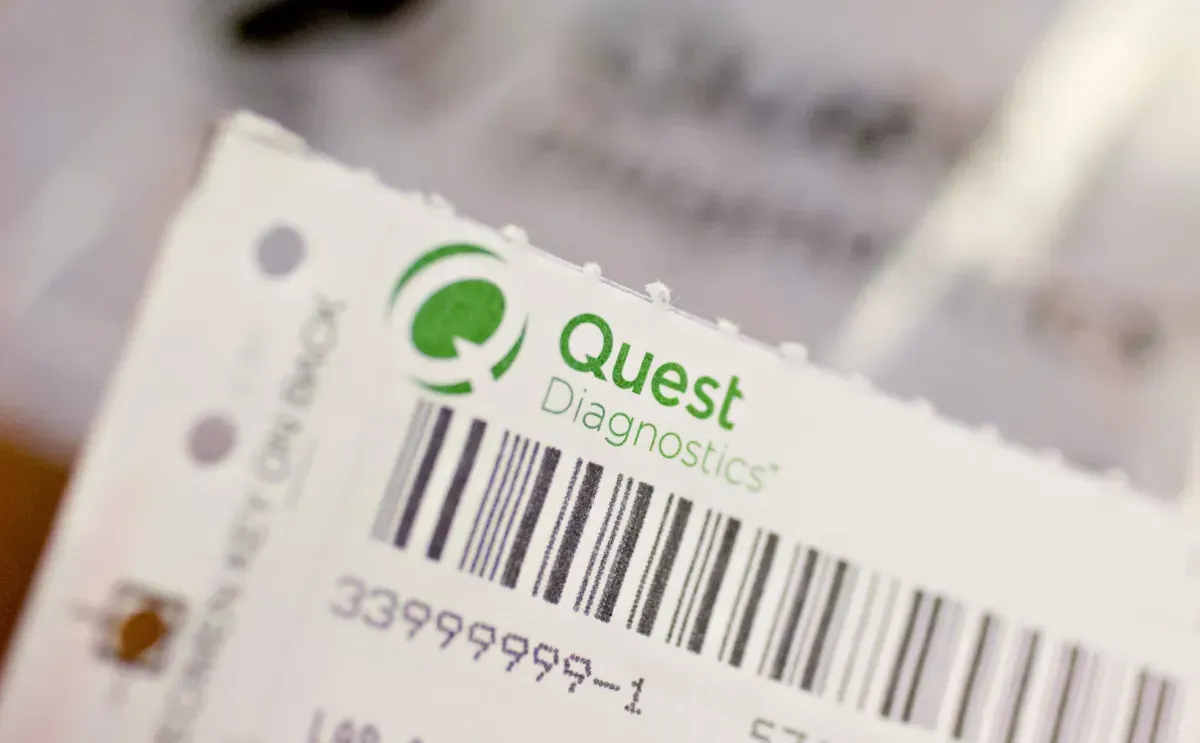
Lab testing giant Quest Diagnostics has confirmed that it suffered a cyberattack and data breach, compromising sensitive patient information stored in its systems. The company made this disclosure as part of a filing with the U.S. Securities and Exchange Commission.
The affected system is Quanum, a lab testing platform used by doctor's offices, hospitals, and healthcare practices to request tests for patients and handle billing. This platform stores large amounts of patient health records, diagnostic data, and billing information. The unauthorized access included the accessing of certain patient records.
Quest Diagnostics has notified law enforcement and is investigating the cyberattack. The extent of the breach and the number of affected patients remain unknown at this time. The company's disclosure comes amid a series of high-profile cyber incidents affecting the healthcare industry in recent months.
The latest breach highlights the growing threat to healthtech companies, which have become prime targets for financially motivated cybercriminals seeking to steal sensitive data and demand ransoms. This trend has led to disruptions and theft of millions of patient electronic health records and other medical information over the past few weeks.
The cyberattack on medical tech maker Stryker in March was followed by another breach at Boston Scientific in August, forcing the company's network offline for weeks and causing significant disruptions globally.
These incidents are part of a growing trend of hacks targeting companies that handle sensitive patient data. Other notable breaches include those suffered by CareCloud, Craneware, and McKesson, all of which have resulted in massive thefts of patient information.
The extent of the breach at Quest Diagnostics is still unclear, with the company refusing to disclose how many healthcare customers or patients had their information stolen during the attack on its Quanum systems.
Quanum is used by approximately half a million clinicians across North America, although it's uncertain how many health records the system holds in total. A 2026 case study on Quest's website suggests that a single health system with over six million patients can store hundreds of millions of related medical documents and charts.
Quest Diagnostics has confirmed that patients' personal and health data was compromised during a breach, although the company is still investigating what specific types of information were taken.
The notice on Quest's website states that some patients' protected health information was accessed, including both personal details and patient records. However, the exact nature of the stolen data remains unclear as the investigation continues.
This incident marks Quest's second major data breach in a decade, following a 2019 cyberattack that compromised 11.9 million patient records through a third-party billing company.
The incident marks Quest's second major data breach in a decade, following a 2019 cyberattack that compromised 11.9 million patient records through a third-party billing company.
Quest Diagnostics has confirmed that patients' personal and health data was exposed during the breach, but it did not specify how many individuals were affected or what type of information was accessed. The company stated that it is working with law enforcement to investigate the incident and is providing support to those impacted by the breach. An investigation into the breach is ongoing.
The confirmation comes as part of an update on Quest's data security practices, which include encrypting sensitive patient information and implementing access controls to prevent unauthorized access.
Facts based on reporting originally published by TechCrunch.
You may republish this story, in full or in part, if you credit Noti Group and link to it (licence CC BY 4.0). Photos are not included.