







Tech Industry Hires Democrats Amid Shift in Washington Power Dynamics
The tech industry is scrambling to rebuild relationships with Democrats after a tumultuous two years under President Donald Trump's administration, following significant moves by companies like OpenAI and Meta.
The tech industry is scrambling to rebuild relationships with Democrats after a tumultuous two years under President Donald Trump's administration. Just before the midterm elections, OpenAI made a significant move by hiring Jessica Schumer, daughter of Democratic Sen. Chuck Schumer.
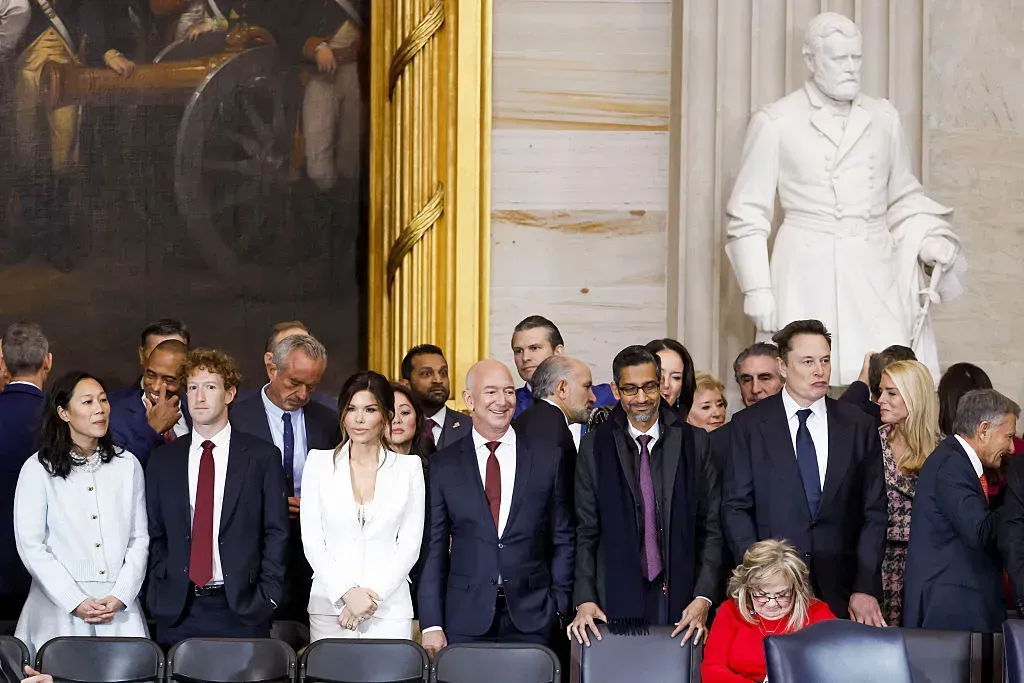
This shift in allegiance comes as many Silicon Valley companies have been criticized for their close ties with the Trump administration. Several prominent tech executives attended White House events and donated millions to super PACs supporting his campaign and allied candidates. The industry also benefited from administration policies, including tax breaks and looser AI regulation.
In contrast, Meta faced billion-dollar fines and lawsuits over its handling of user data, while OpenAI was hit with suits alleging its technology harmed users. Now that the midterms have changed the balance of power in Washington, tech companies are working to repair their image and rebuild relationships with Democrats who have pledged to tighten oversight of AI.
The real test for these companies will not be in Washington but rather in state capitols and communities where they operate. Local residents are increasingly scrutinizing the presence of data centers and the impact of AI on their lives, making it difficult for tech giants to maintain a positive public image.
OpenAI's decision to hire Jessica Schumer is seen by some as an attempt to burnish its reputation with Democrats. J.B. Branch, director of federal AI governance and technology policy at Public Citizen, views such moves as "PR washing" designed to improve the industry's optics rather than address underlying issues.
As tech companies continue to navigate this new landscape, they will need to invest in more than just public relations. Partnerships with organizations like the American Federation of Teachers, announced by OpenAI last year, may become a key strategy for rebuilding trust and repairing damaged relationships.
Meta's efforts to strengthen ties with Democrats predated the midterms, as the company and others in the tech industry began exploring ways to build relationships with the party.
A Meta spokesperson pointed out that President Dina Powell McCormick emphasized the importance of working with the government elected by the American people at a recent event. McCormick noted that bipartisan support is crucial for achieving goals and securing buy-in on key initiatives.
However, not everyone shares Meta's optimism about its prospects under a Democratic government. Some experts predict that Big Tech will try to shift towards more centrist or even left-leaning policies in response to the election results.
A tougher regulatory environment may be on the horizon if Democrats follow through on their promises to tighten oversight of AI and big tech companies. Various proposals, including data center moratoriums and AI regulation bills, are currently gaining momentum.
Meta's President Powell McCormick also highlighted the potential benefits that communities could derive from welcoming Meta's investments, while also acknowledging that those who reject its initiatives will have the right to do so.
The midterms have left a mixed outlook for Big Tech's future regulatory landscape. While some action may be stalled at the federal level due to potential gridlock in Washington, states are likely to remain proactive in passing their own regulations.
Many states have already taken steps to challenge tech companies through legislation, with measures addressing chatbots and deepfakes among other issues. This trend suggests that state-level initiatives will continue to drive policy changes in the absence of federal action.
Some analysts believe that Democrats may shift their focus from abstract AI safety concerns to more tangible issues such as job creation, data-center siting, and electricity bills. This could be a response to changing voter demographics and priorities.
The Trump administration has signaled its opposition to state-level regulations through the creation of the AI Litigation Task Force, which aims to challenge these laws at the federal level. Despite this, many states have continued to pass their own legislation on AI-related issues.
The future of AI regulation is uncertain due to conflicting state laws and a lack of federal action. Despite this patchwork approach, some states are moving forward with their own legislation on AI-related issues.
In the wake of the midterms, the fate of the trillion-dollar IPO for Anthropic has come into question. Investors are reportedly reconsidering their positions in light of market volatility, which may be exacerbated by a potential AI bubble collapse.
The rules governing AI use vary significantly from state to state. For companies operating across multiple jurisdictions, navigating these differences will become increasingly complex over the next two years.
As the regulatory landscape continues to shift, companies must adapt to changing circumstances. With a patchwork of state laws and no clear federal framework in place, businesses are left to navigate a complex web of regulations.
The tech industry is facing a new challenge as various lawsuits and criticisms emerge in the wake of the midterm elections. New York City's Mamdani has spoken out against Madison Square Garden's owner over concerns about surveillance technology being used at the venue.
The complexity of regulations surrounding Big Tech continues to grow, with some companies like Anthropic warning that they are close to achieving a significant milestone - the capability for self-building AI. Meanwhile, other entities such as The New York Times and various outlets have taken action by suing web browser Brave over allegations of content scraping, leaving businesses with an increasingly difficult regulatory landscape to navigate.
Facts based on reporting originally published by TechCrunch.
You may republish this story, in full or in part, if you credit Noti Group and link to it (licence CC BY 4.0). Photos are not included.