







Obesity Affects Immune Cells Differently in Men and Women
Scientists at the University of California, Riverside have discovered that immune cells found in body fat behave distinctively depending on biological sex.
Scientists at the University of California, Riverside have made an intriguing discovery about how obesity affects men and women differently. Their research reveals that immune cells found in body fat behave distinctively depending on biological sex, which may explain why obesity has disparate consequences for males and females.
The study focused on eosinophils, a type of immune cell often associated with allergies and asthma. Researchers conducted experiments with mice to examine how these cells respond to obesity, uncovering significant differences between male and female subjects.
Eosinophils were previously thought to be relatively uniform in their functions, but the new findings challenge this assumption. The study's authors, Meera Nair and Adam Godzik from the University of California, Riverside, suggest that eosinophils may play a more complex role in metabolic health than initially believed.
Using advanced single-cell sequencing technology, the researchers identified six distinct types of eosinophils present in fat tissue, each with its unique pattern of gene expression. This diversity indicates that these immune cells are not as straightforward in their functions as previously thought.
The identification of multiple eosinophil populations in adipose tissue opens up new avenues for understanding obesity and its complications, according to the study's authors.
In fat tissue, different types of eosinophils have been identified, with varying effects on metabolic health.
Female mice possess a particular type of eosinophil that seems to work in tandem with macrophages, another immune cell found in fat tissue, creating an environment conducive to better metabolism.
This cooperative relationship is not observed in male mice, which instead develop eosinophils linked to inflammation when fed a high-fat diet.
The study suggests that the presence of eosinophils alone does not determine their impact on obesity; rather, it's how these cells interact with other immune cells and what specific functions they exhibit.
Eosinophils' functional characteristics and interactions with neighboring cells are critical factors in determining their role in obesity, indicating a more complex relationship than initially thought.
The team of researchers has identified a protein called RELM alpha that appears crucial in maintaining harmony between eosinophils and macrophages.
This protein, produced by macrophages, is thought to play a stabilizing role in the interaction between these two immune cell types, which was observed particularly in female mice. This relationship may contribute to certain populations of eosinophils being able to support healthy fat tissue more effectively.
The findings build on previous experiments conducted by the same research group, where administering RELM alpha to mice had protective effects. These results collectively suggest that this protein could help regulate immune activity within fat tissue and influence how the body responds to obesity.
While the study offers new insights into the biology of obesity, it is essential to note that these findings are based on experiments conducted in mice. Researchers have also detected eosinophils in human fat tissue from individuals with obesity, but their role in the human body remains poorly understood.
The development of treatments based on this discovery will require further research, particularly regarding how therapies targeting the immune system might differ between men and women.
The ultimate goal of this research is to develop personalized treatments for obesity and its associated metabolic complications by understanding why these conditions affect men and women differently.
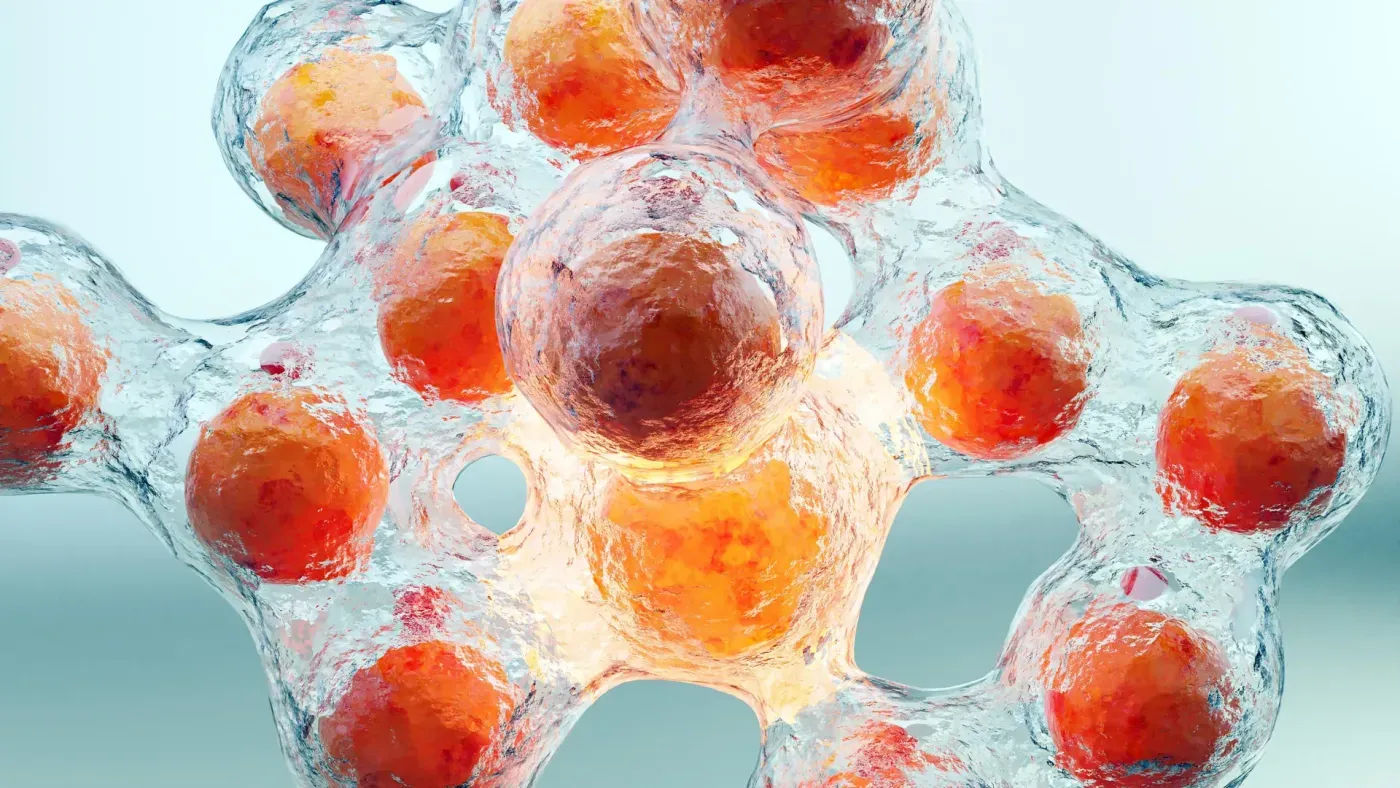
To achieve this objective, scientists are working on recreating human fat tissue in laboratory settings using three-dimensional adipose organoids. These miniature models mimic certain features of real fat tissue, enabling researchers to study the interactions between immune cells and fat cells in a controlled environment.
The focus is on examining how eosinophils interact with their surroundings in these lab-grown models. This will help determine whether modifying communication between immune cells can encourage healthier responses in human fat tissue.
We hope to develop human adipose organoids that enable us to investigate the impact of manipulating immune-cell communication on tissue responses, said Godzik, a professor of biomedical sciences and holder of the Bruce D. and Nancy B. Varner Presidential Endowed Chair in Cancer Research.
The development of these lab-grown models could lead to new ways of addressing obesity and its complications by targeting specific immune cell populations rather than treating all eosinophils as identical entities.
The study's findings have significant implications for understanding the different effects of obesity on men and women.
Research suggests that sex-specific differences in immune cell populations play a crucial role in shaping the metabolic environment in obese individuals.
Facts based on reporting originally published by ScienceDaily Health.
You may republish this story, in full or in part, if you credit Noti Group and link to it (licence CC BY 4.0). Photos are not included.