






Heart disease remains leading cause of death worldwide due to high cholesterol
Researchers at the University of California San Diego School of Medicine identified a new biological pathway contributing to weakened liver function in response to high-cholesterol diets.
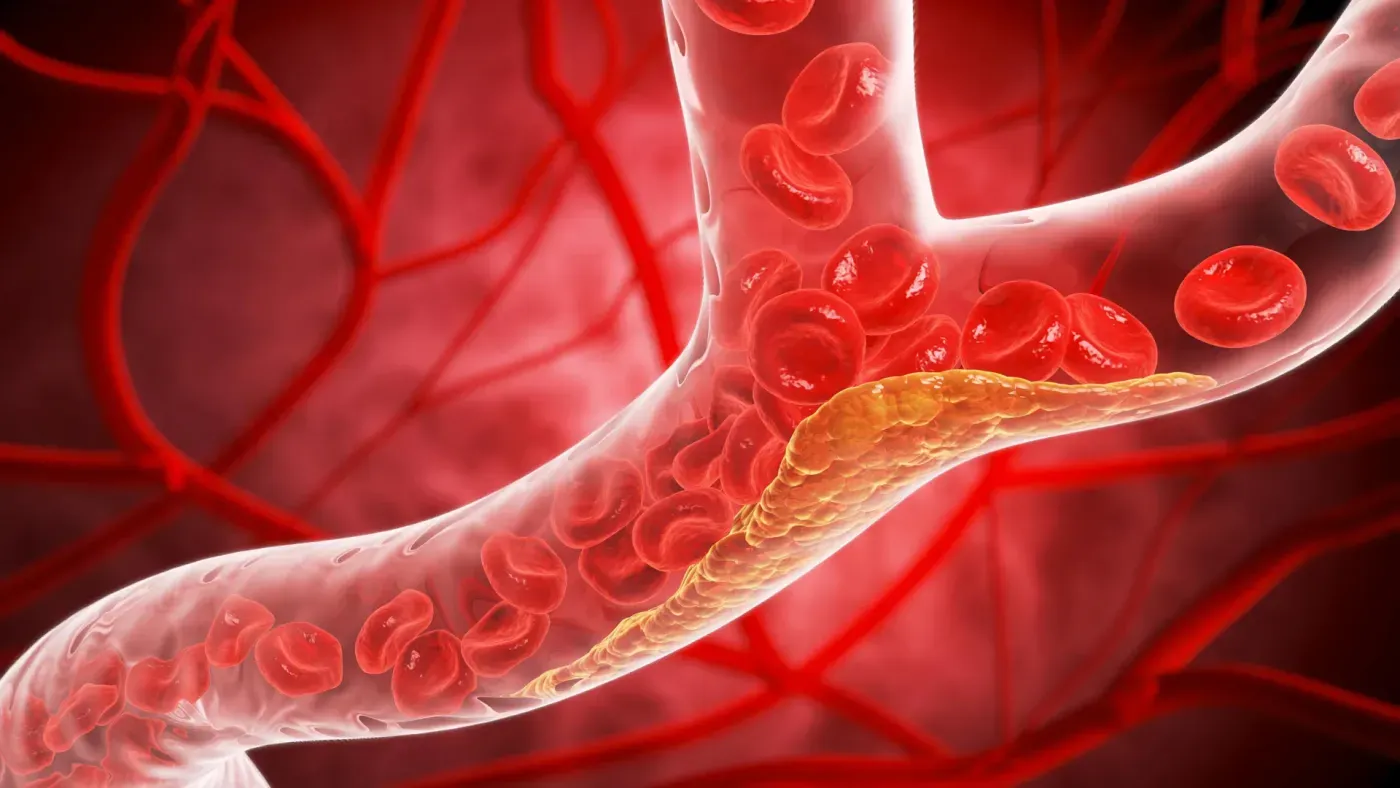
Heart disease remains the leading cause of death worldwide, largely due to high cholesterol. Despite advances in treatment options, many individuals struggle to lower their cholesterol levels safely, while others face side effects that make existing medications difficult to tolerate.
Researchers at the University of California San Diego School of Medicine have identified a previously unknown biological pathway responsible for weakened liver function in response to high-cholesterol diets. This pathway contributes to the body's inability to efficiently remove low-density lipoprotein (LDL) cholesterol from the bloodstream, leading to increased levels over time.
The study has shed light on why diets rich in cholesterol can impair the liver's ability to clear harmful LDL cholesterol from the blood. The researchers' findings could pave the way for a new approach to treating high cholesterol, offering hope to those currently struggling with the condition.
The liver is crucial in regulating cholesterol levels by removing excess cholesterol from the bloodstream and processing it for use by other bodily functions. Its impaired function can have serious consequences for overall health.
Researchers are optimistic about the potential of an experimental drug that has undergone safety testing in humans and may interfere with the newly identified biological pathway, potentially leading to improved treatment options for high-cholesterol patients.
The liver plays a crucial role in regulating blood cholesterol levels by capturing excess cholesterol through specialized structures called LDL receptors on its surface.
These docking stations are responsible for drawing in LDL cholesterol circulating in the blood and bringing it inside the liver cells for processing. The number of available receptors is critical, as having more allows the liver to remove more cholesterol from circulation, which explains why certain medications like statins and PCSK9 inhibitors work effectively by maintaining or increasing receptor availability.
Scientists have uncovered a previously unknown pathway that hampers the liver's ability to clear cholesterol. Through experiments involving mice and human cells, researchers discovered this process reduces the number of LDL receptors over time, making it harder for the body to keep blood cholesterol under control.
The mechanism begins with a protein called Ral, which has been studied in fat cells by one of the researchers involved. High dietary cholesterol intake activates Ral, triggering a chain reaction that leads to the loss of LDL receptors and reduces their availability to remove harmful cholesterol from the bloodstream.
The researchers identified another crucial component of the mechanism behind high cholesterol: an enzyme called cathepsin A (CTSA). This enzyme plays a key role in depleting LDL receptors from the cell surface.
Studies showed that when CTSA was blocked using a small molecule inhibitor, the stability of LDL receptors improved significantly. As a result, circulating levels of LDL cholesterol plummeted dramatically in mice. The impact of this discovery is substantial.
The newly identified pathway diverges from those targeted by existing cholesterol medications, offering a fresh opportunity for treatment development. This distinction could lead to more effective options for patients who struggle to achieve safe cholesterol levels despite current treatments.
A previously tested drug might accelerate the development process. According to Saltiel, discovering new biological targets is just the starting point for further research, which often requires years of additional work to identify a suitable compound and ensure its safety in humans.
The discovery of a new biological target for treating high cholesterol has led researchers to explore an existing experimental medication as a potential solution.
This drug, designed to inhibit CTSA, had previously been developed as a treatment for heart failure and progressed through a Phase 1 clinical trial with positive results.
The earlier work on this medication provides a significant advantage in the development process, allowing researchers to skip some of the initial stages and focus on its effectiveness against high cholesterol.
A potential benefit of using an existing drug is that it has already been tested for safety in humans, which can save time and resources in the long run.
Researchers are now planning to conduct a Phase 2 clinical trial to investigate whether this CTSA inhibitor can lower cholesterol levels in patients.
The involvement of multiple research institutions from across the country underscores the collaborative nature of scientific inquiry and the potential for interdisciplinary approaches to solving complex health problems.
A team of researchers has made a significant breakthrough in understanding high cholesterol, identifying a previously unknown mechanism that contributes to its development.
The discovery was supported by grants from the National Institutes of Health and an American Diabetes Association postdoctoral fellowship, highlighting the importance of collaborative funding in advancing scientific knowledge. This research underscores the complexity of health problems and the need for interdisciplinary approaches to solving them effectively.
Facts based on reporting originally published by ScienceDaily Health.
You may republish this story, in full or in part, if you credit Noti Group and link to it (licence CC BY 4.0). Photos are not included.