






American Airlines Abandons Traditional International First Class
American Airlines has landed its last long-haul international flight featuring an eight-suite first-class cabin, marking the end of an era for US airlines' top-tier travel experience.
American Airlines' last long-haul international flight featuring its eight-suite first-class cabin has landed, marking a significant shift for the airline industry. This change signals the end of an era for U.S. airlines' top-tier travel experience.
Delta Air Lines and United Airlines were among the first to abandon traditional international first class in favor of larger business-class cabins with upgraded amenities. The trend has now reached American Airlines, which joins its competitors in this direction. Business class is no longer just a step above economy but a luxury destination in itself.
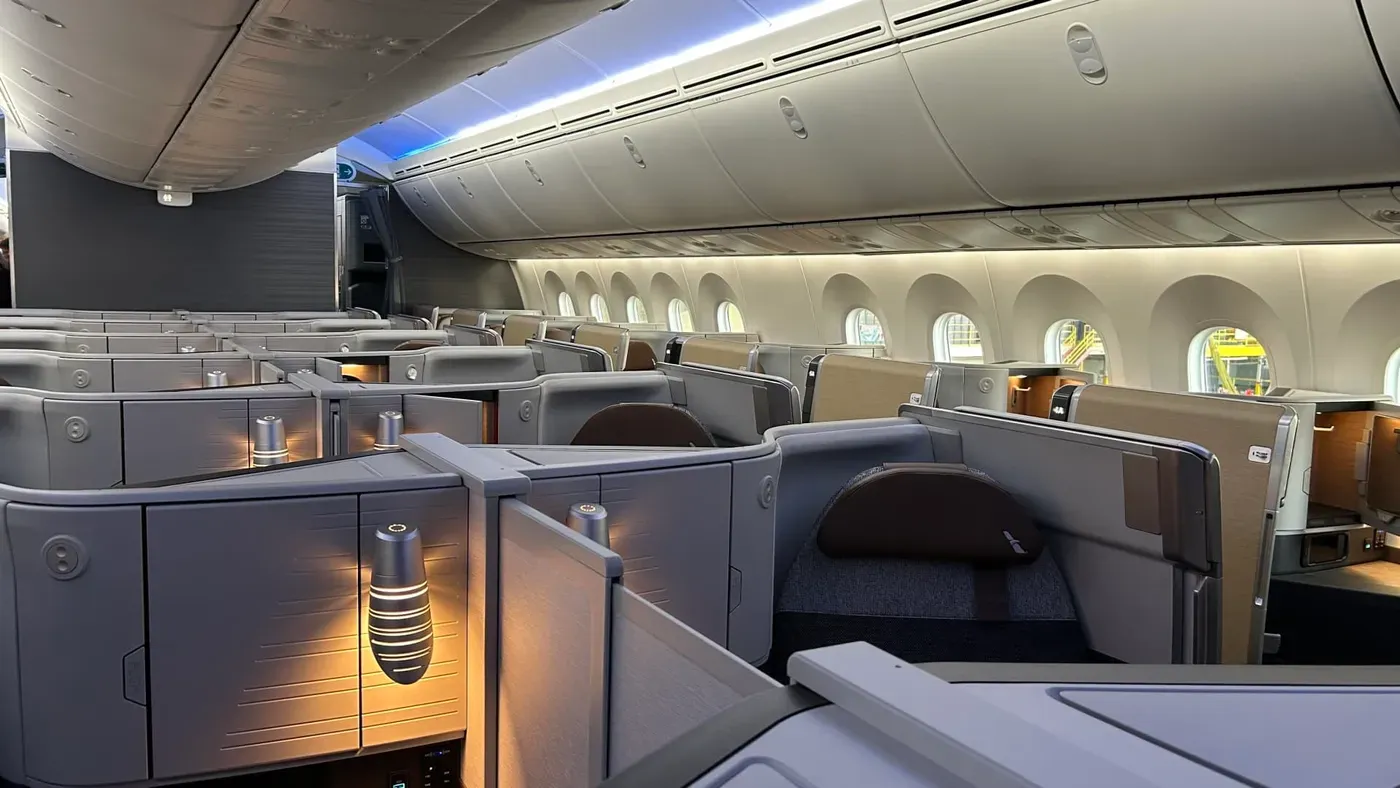
The transformation of business class into a premium experience is driven by consumers' willingness to pay more for comfort and convenience on long-haul flights. Airlines have invested heavily in upgrading their business-class products with larger suites, bigger screens, and improved amenities such as device-charging pads and enhanced bedding.
As costs rise across the industry, from fuel prices to airport landing fees, airlines are seeking new revenue streams through mass luxury offerings. By expanding business class and enhancing its amenities, carriers aim to attract more high-paying passengers while maintaining profitability in a challenging environment.
The introduction of larger business-class cabins marks a turning point for U.S. airlines after decades of evolution in the industry's top-tier travel options. Business class has grown significantly since its early days, when it featured two-by-two seats and recliners rather than lie-flat beds.
Henry Harteveldt, founder of Atmosphere Research Group and a former airline executive, believes that for many passengers, individual pods in business class can be sufficient. These pods offer comfortable seating, decent bedding, and wine, making them an attractive option for those who don't need the luxury of first class.
In the past, international first class was all about opulence and excess, with over-the-top dining experiences that rivaled fine restaurants on the ground. This extravagance was a form of entertainment in itself, before the advent of modern amenities like personal seat-back screens and in-flight Wi-Fi.
Despite their claims to want to sleep, passengers often stay up and indulge in the onboard cuisine, according to Harteveldt. He describes them as "hypocrites who don't always act on their stated desires.
The price difference between first class and business remains substantial, with a one-way ticket from Los Angeles to London costing $12,994 in business class compared to $15,669 for a first-class seat on American's Boeing 777-300ER.
As U.S. airlines eliminate first-class options on many routes, business class is becoming the new luxury standard.
To make business class more appealing to travelers and profitable for airlines, companies are expanding their premium cabins. American Airlines is increasing its business-class capacity across its fleet, with a focus on long-haul flights. The carrier is also considering adding more suites on its smaller Boeing 787-8 Dreamliners, potentially doubling the current number of 20.
The decision to prioritize business class over first class reflects changing passenger preferences and airline strategies. You don't have enough seats to make the seat cost competitive," Nat Pieper, American's chief commercial officer, explained in a recent interview. This means that airlines need to rely on generating revenue from premium ticket sales rather than trying to offer an affordable option for everyone.
The distinctions between first and business classes are becoming less pronounced. On long-haul flights, passengers in both cabins receive similar amenities, such as better food options, service, bigger seats, early boarding, and lounge access. However, there are still some differences, like the presence of olives with warm nuts in first class but not business class, or the absence of a soup option for business passengers.
The shift towards emphasizing business class is also influenced by companies that allow employees to book premium tickets. By focusing on business-class experiences, airlines can cater to these corporate travelers and their accompanying passengers, making it more appealing for them to choose American Airlines over competitors.
Airlines are redefining their business-class offerings by introducing tiered seating options within this premium cabin. Delta and United have already replaced their international first class with upgraded lie-flat suites in business class on long-haul flights.
These upgraded business-class cabins now offer a range of amenities, including thicker bedding and nicer food options, as airlines seek to cater to the growing demand for comfort and luxury travel. The removal of traditional first class on these routes has allowed airlines to focus resources on enhancing their business-class experiences.
Meanwhile, some airlines have introduced premium economy sections between business and economy classes, featuring recliner seats with foot rests and meals served on actual plates. This segment has become increasingly popular among travelers seeking a higher level of comfort without the cost of upgrading to business class.
In addition to these upgrades, airlines are now segmenting their business-class cabins into different tiers, offering varying levels of luxury and amenities. Some seats within these upgraded cabins offer more space than others, such as American's Flagship Suite Preferred and United's Polaris Studio.
These tiered business-class offerings allow airlines to tailor their services to specific customer needs and preferences. By doing so, they can attract a wider range of premium passengers who value the unique amenities and experiences on offer.
Some airlines are also introducing more restrictive options within their most expensive cabins, which come with fewer perks and privileges than before. These basic options may appeal to travelers who prioritize cost savings over luxury amenities, but still want to experience business class.
The decline of international first-class on U.S. airlines is not a signal that luxury travel is disappearing from the industry altogether. In fact, several major carriers are revamping their high-end offerings to cater to discerning passengers.
Singapore Airlines, Lufthansa, British Airways, and Air France have recently unveiled upgraded first-class cabins and enhanced services such as gourmet food options. Meanwhile, British Airways has announced plans to install a record 106 business-class suites on its Airbus A380 aircraft, while also upgrading its first-class amenities for travelers on the same route.
Smaller U.S. carriers like JetBlue, Frontier Airlines, and Allegiant Air are also entering the fray with domestic or short-haul first-class seats at competitive prices. According to Frontier's Chief Commercial Officer Bobby Schroeter, these airlines will be able to offer high-end travel options without breaking the bank.
Facts based on reporting originally published by CNBC.
You may republish this story, in full or in part, if you credit Noti Group and link to it (licence CC BY 4.0). Photos are not included.