








Apparel Imports in US See Shift towards Synthetic Materials
The shift in clothing imports has sparked a change in consumer behavior, with shoppers becoming more discerning about the quality of their garments due to rising prices for essentials.
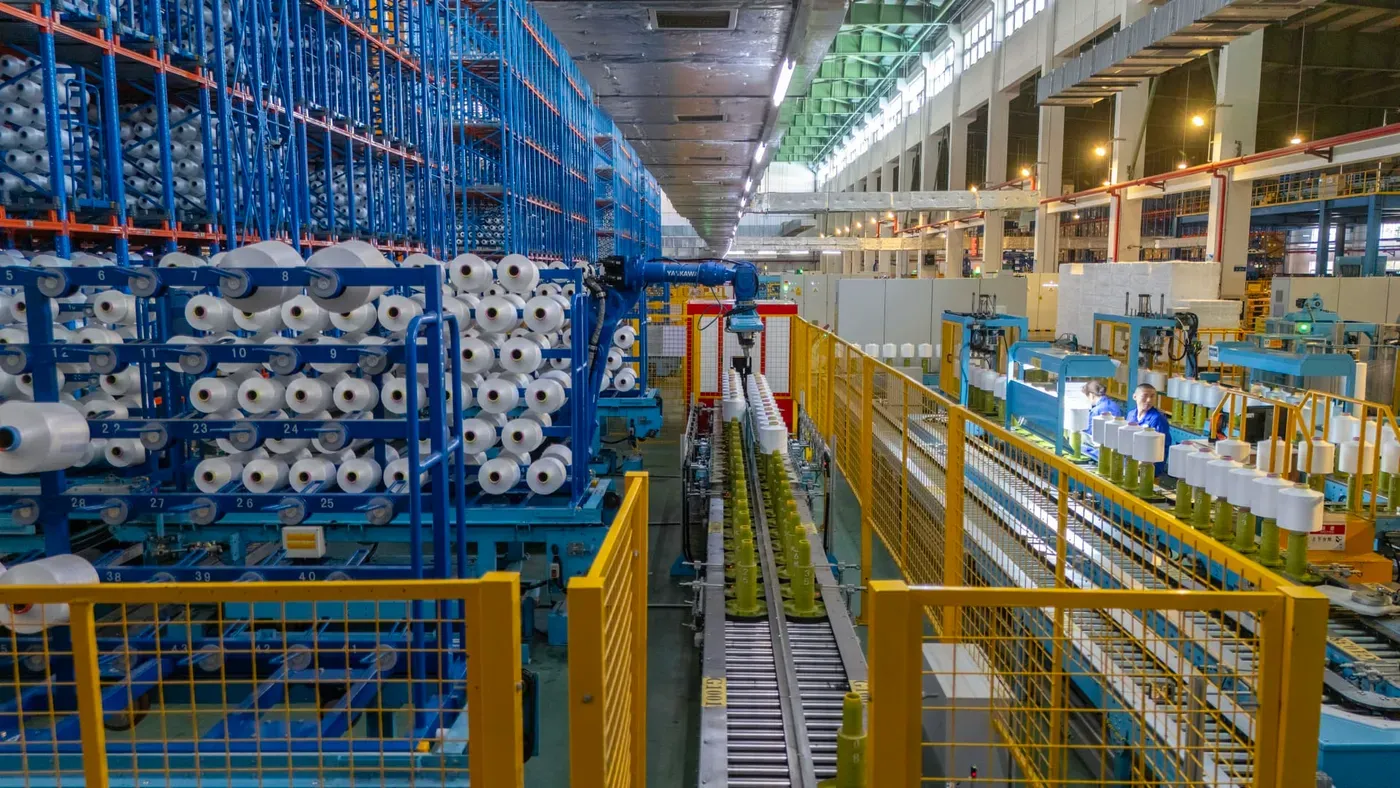
The shift in clothing imports has sparked a change in consumer behavior, with shoppers becoming more discerning about the quality of their garments.
In recent years, the makeup of apparel imported into the U.S. has undergone a significant transformation, with predominantly synthetic fabrics such as polyester and nylon now making up the majority of imports. This is a stark contrast to 2010, when approximately 60% of clothing was made from cotton. The use of cheaper materials has become more widespread.
As consumers face rising costs for essentials like food, gas, and rent, they are starting to expect more value from their purchases, including clothing. Apparel prices have reached record highs since the pandemic, with no signs of slowing down.
The surge in prices is causing shoppers to reassess their spending habits, with many opting for higher-quality, natural materials over cheaper synthetic alternatives. This trend is reflected in a recent survey that found consumers are scrutinizing labels more closely than ever before.
Shoppers are increasingly wary of retailers who pass off low-cost, synthetic fabrics as high-end materials, said Sonia Lapinsky, head of fashion at consulting firm AlixPartners.
Consumers are increasingly prioritizing quality over price when it comes to their clothing purchases, leading retailers to rethink their strategies.
This shift in consumer behavior has been evident in recent years, as shoppers become more discerning about the materials used in garments. The data on apparel imports to the US suggests that this trend is gaining momentum.
According to figures from the US Commerce Department's Office of Textiles and Apparel, the average unit price of cotton-based clothing has risen by 21% over the past decade, while synthetic fiber garments have seen a more modest increase of around 11%.
To maintain profit margins in the face of rising costs, retailers are being forced to make tough decisions about how to balance quality with affordability. Some may opt to reduce the quality of their products or negotiate with suppliers to absorb some of the increased costs.
Experts point out that while synthetic fibers like polyester and nylon are often cheaper than cotton, they offer benefits such as shape retention and moisture-wicking properties that can enhance the overall wearer experience.
The athleisure boom has been a significant driver of the shift towards polyester in the fashion industry, according to experts. Data from Euromonitor reveals that sports apparel grew at an annual rate of 4.9% between 2015 and 2025 in the US, outpacing the overall growth rate for all apparel and footwear at 2.6%.
However, some argue that this trend is not solely driven by consumer demand for athletic wear. Quality trade-down may also be a contributing factor, with consumers opting for cheaper materials despite their drawbacks.
The negative connotations associated with synthetic fibers like polyester are growing, particularly among younger generations. Gen Z has even adopted the term "polyester" as a pejorative to describe low-quality or fake products.
Research highlighting the environmental and health risks of petroleum-based clothing is also fueling consumer concerns about the materials used in their garments. Microplastics can leach from polyester when washed, contributing to pollution and potentially harming human health.
As consumers reevaluate the materials in their clothing, apparel prices have risen due to increased demand and supply chain disruptions caused by factors such as tariffs, war, and the pandemic. Companies like Stichter's clients have had to adapt to these changes by finding ways to reduce costs, often at the expense of quality.
The shift away from manufacturing in China has been a gradual process over the past decade, driven by various factors that have disrupted the global textile industry's dynamics.
China's long-established history in clothing production gives it an edge when it comes to skilled workers, cutting-edge equipment, and efficient material management compared to emerging manufacturing destinations such as Bangladesh, Sri Lanka, and Cambodia. These countries are better suited for producing lower-cost goods, but struggle with creating high-quality luxury products.
According to Professor Sheng Lu of the University of Delaware, who specializes in the economics of the global textile industry, China's established expertise means it can cater mainly to the value market and mass market. However, its inability to produce higher-end products reflects the limited skill sets available when sourcing from these countries.
The reliance on lower-cost manufacturing destinations also comes with logistical challenges. Companies often have to import raw materials from China, which extends the production timeline and requires earlier bets on trends that may not pay off. This can lead to discounted prices and reduced net margins if products fail to sell well.
As material costs rise for synthetic fibers, companies like those Stichter works with are being forced to reconsider their fabric choices and opt for more natural materials in the future.
The trend towards prioritizing quality is becoming increasingly evident in the market.
Ralph Lauren's stock has seen a significant surge over the past two years, rising around 85% during this period. The company's focus on using high-quality materials such as cotton, leather, wool, viscose, cashmere, and silk for its apparel is a key factor contributing to its success. Around 90% of Ralph Lauren's products are made from these natural materials.
As a result, the company has seen an increase in sales of full-price products, with reduced markdowns in its fiscal 2026 period. This shift towards higher-quality materials and products is being rewarded by consumers who are willing to pay more for items that meet their expectations.
Quince, a direct-to-consumer clothing brand centered around natural materials, has reached a valuation of $10 billion this year. The brand's focus on sustainability and high-quality materials has resonated with customers, contributing to its success.
Meanwhile, other brands such as Pact have also seen significant improvements in their resale value rankings. Pact jumped 20 spots to No. 8 in ThredUp's 2025 report, highlighting the importance of using organic cotton in building brand recognition.
Some fast fashion retailers are facing a decline in consumer sentiment due to their use of cheap materials and production methods. The AlixPartners report found that brands such as Shein and Zara dropped three spots in terms of sentiment among young adults in 2026, compared to the previous year.
Young adults are increasingly seeking out higher-quality clothing, a trend reflected in declining sentiment towards fast fashion brands like Shein and Zara.
Zara's consistent sales growth has not shielded it from this shift, as it fell three spots in the Consumer Sentiment Index among young adults in 2026 compared to the previous year. The company's continued success is being monitored closely by analysts who note that consumer sentiment can sometimes be a leading indicator of future performance.
Facts based on reporting originally published by CNBC.
You may republish this story, in full or in part, if you credit Noti Group and link to it (licence CC BY 4.0). Photos are not included.