



LGBTQ+ Detentions Surge in Senegal Amid Crackdown on Same-Sex Relations
Over 320 people have been arrested since February, many facing allegations of voluntary HIV transmission based solely on their HIV status.
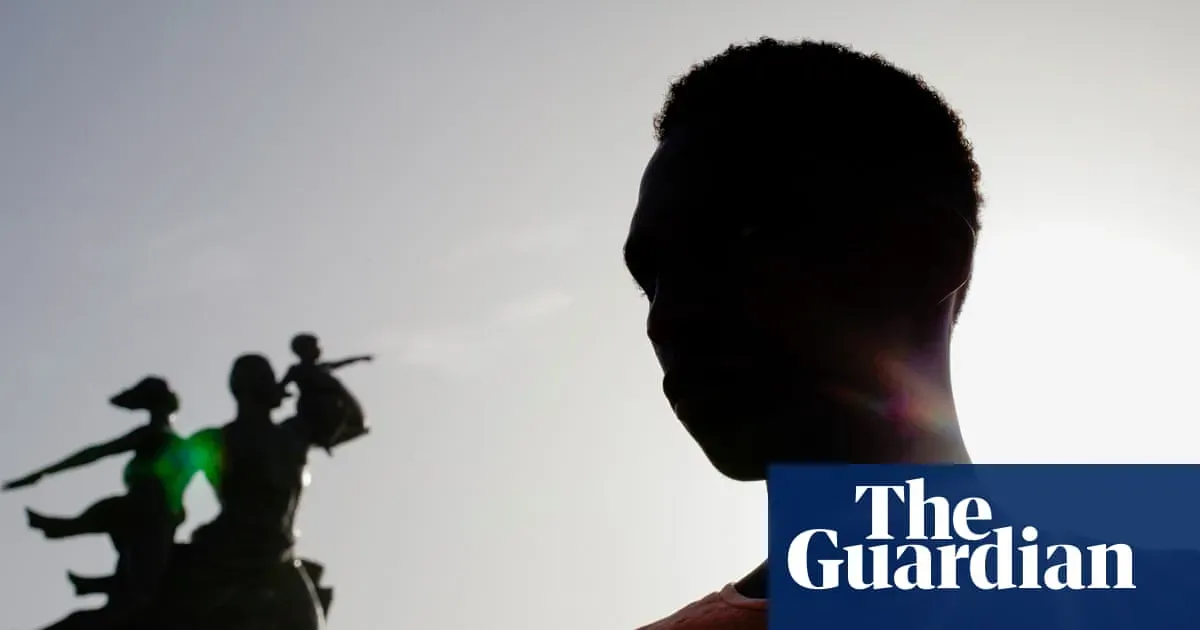
In recent months, a growing number of LGBTQ+ individuals in Senegal have been detained by authorities on charges of "acts against nature, according to reports from human rights groups.
Over 320 people have been arrested since February, with many more likely affected due to the secretive nature of their lives. The majority of those detained face allegations related to voluntary HIV transmission, solely based on their HIV status, which is a worrying trend in the country's escalating crackdown on LGBTQ+ individuals.
The situation has worsened following amendments made to Senegal's penal code earlier this year. On 11 March, parliament doubled the maximum prison term for consensual same-sex relations from five years to ten, sparking concerns over the rights of LGBTQ+ people.
As a result of these changes, many in the community are now avoiding public spaces and social interactions out of fear of arrest and increased stigma, highlighting the need for the Senegalese government to intervene.
The Senegalese government's crackdown on LGBTQ+ individuals has led to a climate of fear and intimidation, causing many in the community to go into hiding.
Bassirou Diomaye Faye's campaign promise to strengthen laws against same-sex relations has been fulfilled, with arrests taking place nationwide. The police claim they are acting on information obtained from seized phones, third-party allegations, or raids on private premises.
The changes to the penal code have had a ripple effect on other professionals who work closely with the LGBTQ+ community. Lawyers are now hesitant to represent individuals accused of same-sex relations due to fear of prosecution themselves.
As a result of this chilling effect, HIV testing and treatment rates are declining. Doctors report that people are becoming increasingly reluctant to seek medical attention, fearing arrest or increased stigma.
The consequences of these developments extend beyond Senegal's borders. The region remains disproportionately affected by the HIV epidemic, with 64% of all people living with the virus globally residing in sub-Saharan Africa.
The recent surge in arrests targeting LGBTQ+ individuals in Senegal has dealt a significant blow to the country's efforts to combat HIV/AIDS. According to experts, the situation is dire, with many fearing that the government's actions will have far-reaching consequences for public health.
The vast majority of those arrested were either unaware they had contracted the virus or were already receiving treatment that prevents transmission. Critics argue that charging them under a law that criminalizes deliberate HIV transmission is nonsensical and only serves to further stigmatize an already vulnerable community.
A Human Rights Watch report highlights the alarming rate at which police have been leaking confidential information about ongoing investigations, exposing individuals to social stigma, family rejection, threats, and violence. This has created a climate of fear among LGBTQ+ people in Senegal, who are now forced to live in hiding or restrict their movements to avoid detection.
The crackdown is at odds with international laws that guarantee the right to a fair trial, privacy, and non-discrimination. As a result, many have been driven to relocate or leave the country altogether, while others struggle to cope with anxiety and depression caused by the constant fear of arrest and persecution.
The trend towards more punitive laws against LGBTQ+ individuals has been sweeping across sub-Saharan Africa, with Senegal's recent changes to its penal code being just one example of this worrying phenomenon.
Dramatic crackdowns have also taken place in neighboring countries, where the rule of military juntas appears to be fueling a culture of intolerance. In Niger, for instance, dozens of people have been arrested since February, when the country became the first in its history to criminalize same-sex relationships.
Ghana has also joined the fray, passing legislation that would make LGBTQ+ activities" punishable by law, although this bill still awaits the president's signature. The trend is alarming, with Uganda's Anti-Homosexuality Act of 2023 taking the draconian step of making homosexual acts punishable by death.
Facts based on reporting originally published by The Guardian World.
You may republish this story, in full or in part, if you credit Noti Group and link to it (licence CC BY 4.0). Photos are not included.