



Khalifa Haftar's Son Accused in Drone Attack on Libyan Fuel Facilities
A drone attack on fuel storage facilities in western Libya has damaged plans for a unity government between the Tripoli-based GNU and Khalifa Haftar's forces.
Tensions are escalating between the Tripoli-based government of national unity (GNU) and Libyan warlord Khalifa Haftar's forces as allegations surface that Haftar's son oversaw a drone attack on fuel storage facilities in western Libya.
The claims have severely damaged plans to merge the GNU with Haftar's forces, which had been backed by the US as part of its efforts to unify Libyan institutions. The GNU has stated that working with Saddam Haftar is now impossible due to these allegations.
Saddam Haftar serves as deputy commander of the Libyan National Army (LNA), and his family's involvement in drone attacks on critical infrastructure has put intense pressure on the GNU government. The US had seen Khalifa Haftar as a key figure in its plans to unify Libya's security, judicial, and political institutions.
The power struggle between the eastern region dominated by Haftar and the western region governed by the GNU has left the country vulnerable to corruption, militia activity, migrant trafficking, and external interference. This division has persisted since the fall of Muammar Gaddafi in 2011.
A plan to merge the two governments, proposed by Donald Trump's Africa adviser Massad Boulos, had envisioned Haftar taking on a presidential role and a member of the Dbeibah family from the west serving as prime minister. However, this proposal now faces significant hurdles due to the latest developments.
The recent drone attacks on fuel facilities in western Libya have sparked intense scrutiny over the proposed merger plan between Prime Minister Abdul Hamid Dbeibah's government and General Khalifa Haftar's Libyan National Army (LNA). The plan, which was set to be implemented by a new unity government, has been mired in controversy, with many questioning its feasibility.
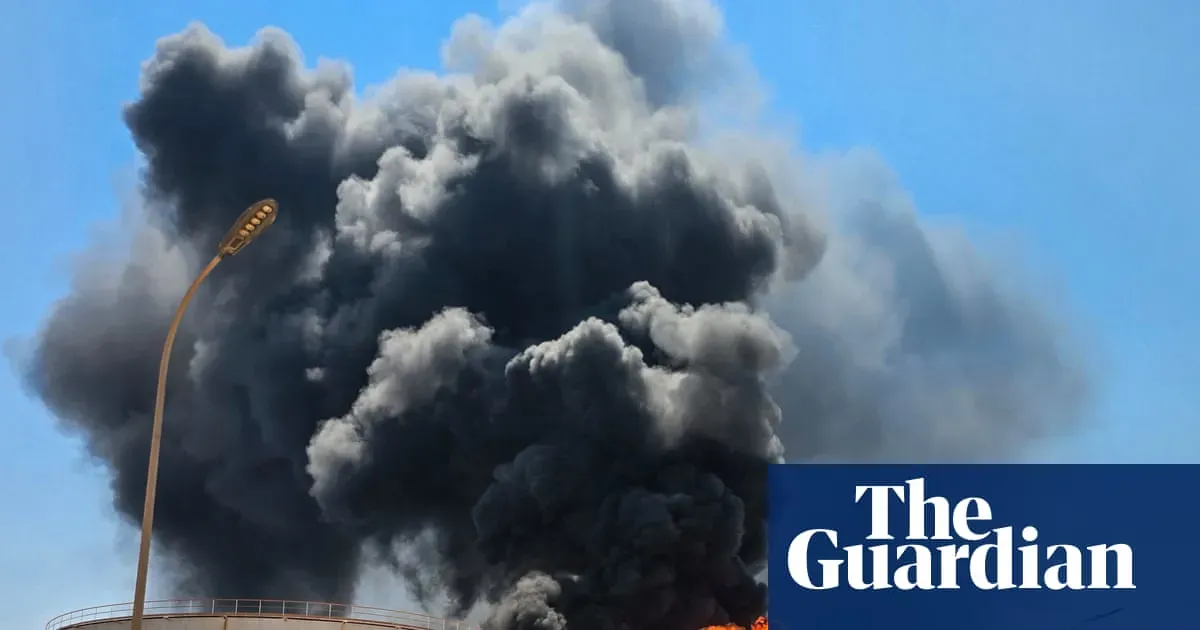
The drone strikes on the Zawiya oil station and fuel storage facilities have further complicated matters. Over five days in August, drones repeatedly targeted the gasoline-storage tank at the complex, causing significant damage and a large fire that led to the tank's collapse. According to estimates, the tank held approximately 4.5 million litres of fuel when it was struck.
The attacks have been linked to General Haftar's anger over Prime Minister Dbeibah allegedly stalling on the merger plan. Additionally, Tripoli is accused of encouraging tribes in southern Libya to launch attacks against Haftar's forces. This latest development has raised concerns about the stability of the region and the potential for further conflict.
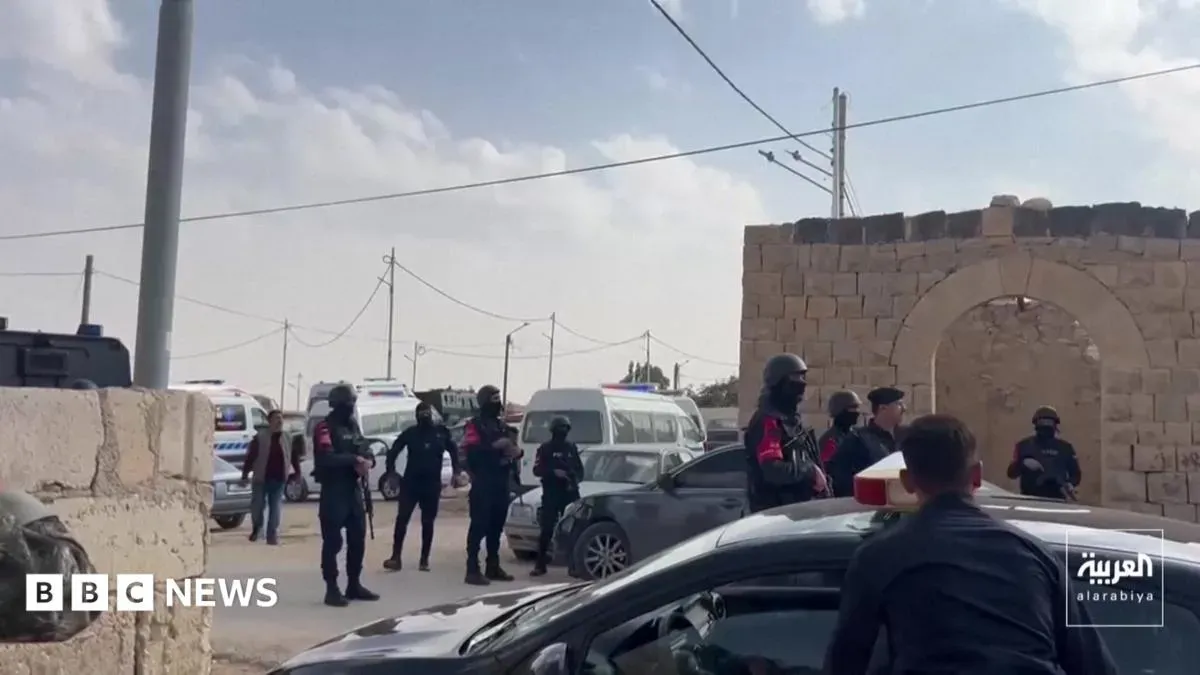
On 5 September, authorities arrested three Libyans and one Spanish citizen in southern Tripoli for their alleged role in a plot that included an attack on Tripoli airport. The group is believed to have consisted of five Spaniards and four Libyans. The three arrested Libyans were reportedly affiliated with the Tareq ben Ziyad brigade, an LNA formation.
The information emerging from interviews about the plot has been described as potentially game-changing, capable of weakening General Haftar's position in Libya. If substantiated, this could have significant implications for the proposed merger plan and the future of the country's unity government.
The alleged involvement of Saddam Haftar's associates in a plot to sabotage fuel facilities has sent shockwaves through the Libyan unity talks. According to sources within the Government of National Unity (GNU), those implicated in the scheme were working for Saddam Haftar.
Their actions have compromised the credibility of Saddam Haftar as a key player in the Boulos plan, which aims to bring stability and prosperity to the war-torn country. Furthermore, this revelation also threatens the parallel UN-sponsored 4+4 talks that led to an August agreement on staging elections within two years.
The deal was endorsed by the UN security council and had been backed by the main actors capable of delivering change in Libya. This agreement overcame previous obstacles to elections, offering a new approach to achieving practical results that pave the way for free and fair polls.
Walid Ellafi, minister for state for political affairs in the GNU, emphasized the importance of a UN-sponsored framework that prioritizes the will of the people. He expressed concerns about elite east-west deals that overlook longstanding grievances, such as the displacement of 9,000 families in Benghazi during the 2014 war.
A power struggle is brewing among Khalifa Haftar's sons in eastern Libya, following allegations of sabotage against one of them. Saddam Haftar, seen as the most likely heir to his father's influence, has been accused of orchestrating drone attacks on fuel facilities.
His brothers, Khaled and Belqasim, have started to challenge his dominance, with their allegiances lying more with Egypt than the United Arab Emirates, which supports Saddam. This internal conflict may further destabilize Libya's fragile politics, as it coincides with ongoing unity talks that aim to bring together rival factions.
Facts based on reporting originally published by The Guardian World.
You may republish this story, in full or in part, if you credit Noti Group and link to it (licence CC BY 4.0). Photos are not included.