




Amazon Pledges Over $1 Billion in Funding for Communities Near Data Centers
The tech giant has announced a plan to donate over $1 billion to communities surrounding its data centers over the next five years.
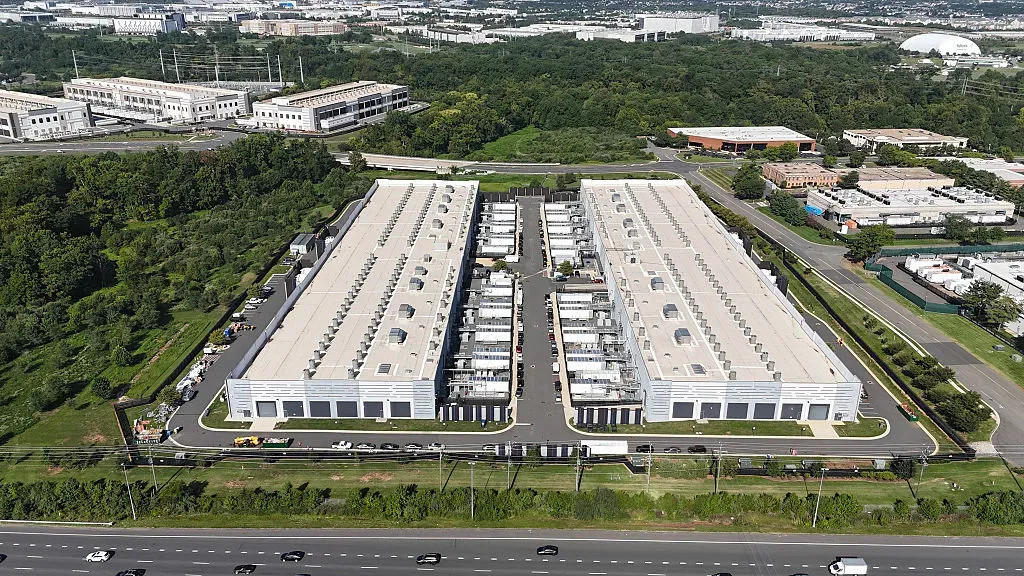
Amazon has announced a plan to donate over $1 billion to communities surrounding its data centers over the next five years in an effort to address growing backlash against the company's infrastructure projects. The pledge was made by Matt Garman, CEO of Amazon Web Services (AWS), who stated that local communities would be able to decide how to allocate funds across various priorities.
The funding commitments are part of a broader set of promises made by Amazon aimed at addressing concerns surrounding its data center operations. Specifically, the company has pledged to ensure that its data centers do not increase power bills or drain local water supplies. Furthermore, Amazon has vowed to be "water positive by 2030, although it notes that this goal is already being met in 75 percent of its projects.
Amazon's efforts appear to be aimed at countering growing criticism of the company's data center expansion plans. Garman suggested that calls for a moratorium on new data centers are being driven by foreign disinformation campaigns, echoing claims made by former President Donald Trump. According to Garman, US rivals are attempting to trick us into slowing down and Amazon is taking steps to reassure Americans that its operations are not harming local communities.
However, environmental advocates at Stand.Earth have dismissed Amazon's commitments as a flailing attempt at damage control." The nonprofit organization has been critical of the company's data center build-out and argues that Amazon's donations represent a misguided effort to address the harm caused by its infrastructure projects.
Amazon's efforts to mitigate concerns over its expanding network of data centers have been met with skepticism by environmental advocates. One major issue is Amazon's plan to support a power plant in Texas that experts expect will become the largest source of US climate pollution.
The construction of this power plant raises significant concerns about air quality, as it is expected to emit 33 million tons of harmful pollutants annually. To put this into perspective, the energy needed to run this facility could power over 1.9 million homes. Amazon's data center commitments fail to address these issues directly, instead focusing on using low-emission backup generators.
Critics argue that Amazon's claims about investing in carbon-free energy are misleading, as they conveniently omit mention of the Texas power plant. This omission is particularly egregious given the massive impact this facility will have on local air quality. In fact, data centers built by Amazon have been known to run on diesel backup power for extended periods.
While one aspect of Amazon's deal may be seen as a positive step forward, it does little to address the core concerns of communities affected by its data center expansion. Specifically, ending the use of nondisclosure agreements when building new data centers will likely increase transparency, but many other pressing issues remain unaddressed.
Amazon's promises to replace all water used in data centers do not seem to account for the significant water footprint left behind by energy infrastructure powering these facilities. Additionally, concerns about forever-chemical contamination from emerging cooling technologies are also ignored. These omissions have sparked further criticism of Amazon's efforts to address environmental concerns.
Amazon's $1B plan to combat data center backlash has been met with skepticism due to its relatively small size compared to the company's overall investments in data centers.
The comparison is stark: while Amazon will invest over $220 billion in data centers alone in 2026, a paltry $1 billion over five years is being allocated for community support.
Facts based on reporting originally published by Ars Technica.
You may republish this story, in full or in part, if you credit Noti Group and link to it (licence CC BY 4.0). Photos are not included.