







Britain Faces High Energy Costs Due to Reliance on Imports
Britain is bracing itself for high energy costs this winter due to its increasing reliance on imports, according to official forecasts.
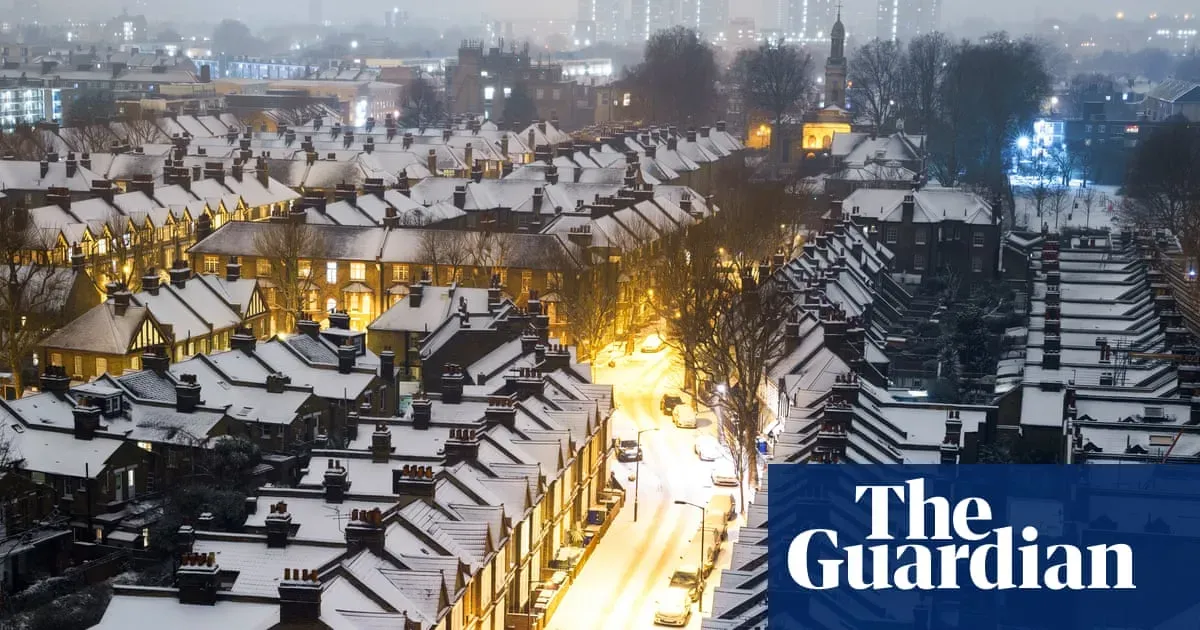
Britain is bracing itself for some of the highest energy costs in Europe this winter due to its increasing reliance on imports to meet demand.
According to official forecasts, the country will have sufficient gas and electricity supplies throughout the coldest months, thanks in part to paying higher market prices than neighboring markets to secure imported fuel. This means that Britain's energy system operators are anticipating a stable supply of both gas and electricity over the winter period.
The publication of these official winter energy forecasts comes at a time when Europe's gas market benchmark has reached its highest level since December 2022, when Russia's invasion of Ukraine sent prices soaring. This surge in prices is expected to impact Britain's already high energy costs further.
A deal struck between National Gas and the owner of a major Belgian pipeline will ensure that gas continues to flow into Britain this winter by reversing a planned capacity cut. The agreement, which was approved by the energy regulator Ofgem, is expected to add around 10p to the average monthly gas bill.
Britain's reliance on imported gas is set to increase further this winter as the country struggles to meet its energy needs amidst soaring market prices.
National Gas forecasts indicate that imports of seaborne liquified natural gas (LNG) will rise by around 5% from last winter, contributing to a significant jump in energy costs for consumers. This development comes at a time when global market prices have more than tripled since the Middle East crisis disrupted Gulf supplies.
The winter outlook report warns that prices could remain high if UK gas buyers face intense competition with European countries for LNG cargoes, exacerbated by low gas storage levels across the continent. Europe's gas reserves are currently at their lowest level in 13 years, due to a combination of factors including reduced exports from Qatar and increased summer demand.
The UK is particularly vulnerable to these market pressures, as it has some of the smallest gas stores in Europe following decades of domestic production decline in the North Sea. This year's forecast suggests that UK production will fall by around 6% compared to last winter, although a new gasfield in the North Sea may provide a limited boost when it comes online next month.
The government's approval of the Jackdaw gasfield has been met with controversy, and its impact on energy supplies remains to be seen. The field is expected to start production soon, which could help alleviate some of the pressure on the UK's energy market, but its overall effect on prices remains uncertain.
Great Britain's electricity grid is forecast to face significant challenges this winter, according to separate outlook reports from the National Energy System Operator (Neso). The country is expected to become a net importer of electricity over the colder months, which will likely come at a higher cost due to tighter European power supplies compared with last winter.
The summer heatwaves have had a lasting impact on Europe's energy landscape. River levels across the continent were reduced significantly during the hot weather, affecting French nuclear output and Norway's hydroelectric reserves. These reservoirs have remained below their 10-year minimum since late July, further exacerbating the strain on European power supplies.
The UK has already seen significant costs associated with importing electricity from other countries. Over the year ending in August, Britain paid a record £4bn on power imports, with half of that amount spent on electricity imported from France. Additionally, the country made near-record payments to fire up gas plants while wind and solar farms were paid to turn off due to bottlenecks in the grid.
The role of gas power plants is expected to be more crucial than previously assumed this winter. Although Britain will use gas less overall compared with previous winters thanks to rising renewable energy levels, the need for gas during power supply crunches could be 7% higher than anticipated.
National Gas has revised its gas power demand forecasts for extreme electricity supply scenarios, where demand is unusually high and renewable output is low.
These revisions come after observing a trend in which gas plants have remained operational during periods of peak electricity demand and reduced renewable energy levels, typically experienced on dark winter days. As a result, the need for gas during power supply crunches could be 7% higher than anticipated. The revised forecasts highlight the complexities facing Britain's energy landscape this winter.
Facts based on reporting originally published by The Guardian Business.
You may republish this story, in full or in part, if you credit Noti Group and link to it (licence CC BY 4.0). Photos are not included.