






Robotaxis Testing to Begin in Kazakhstan by 2027
InDrive has partnered with Pony.ai and Nvidia to test self-driving vehicles in Kazakhstan by 2027.
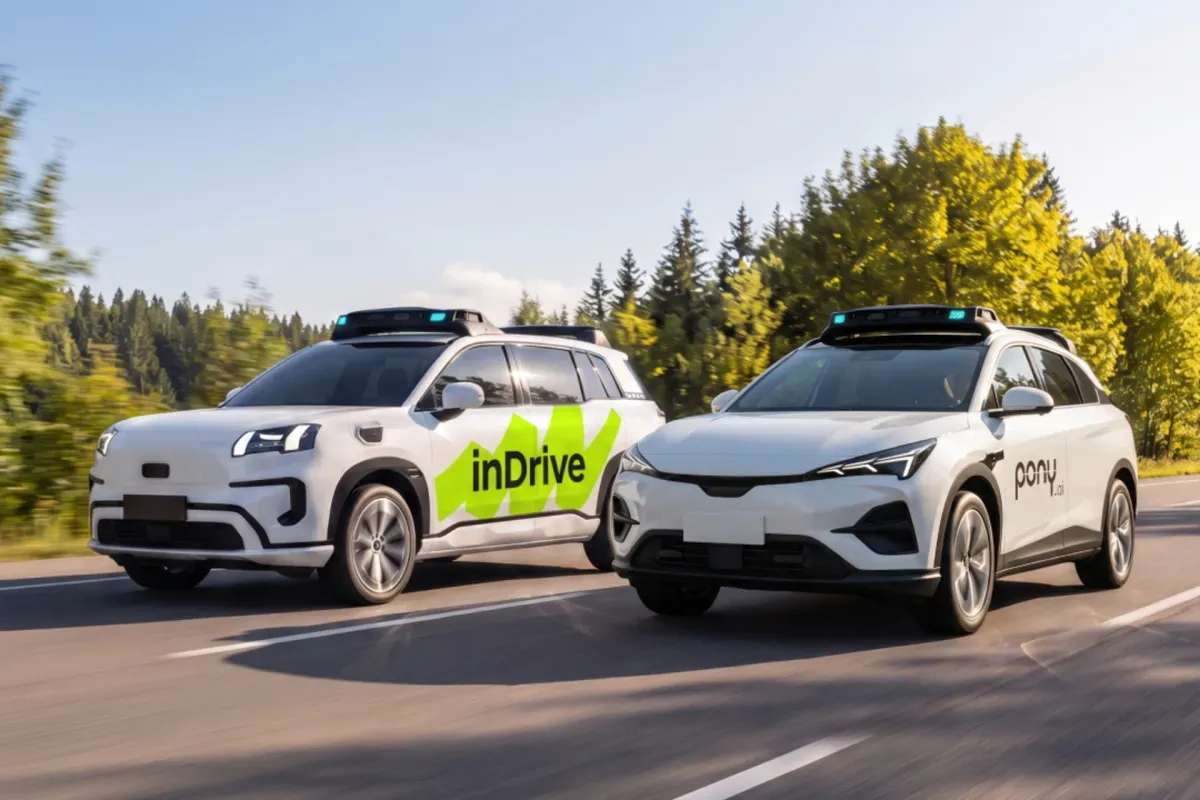
Ride-hailing company inDrive is taking steps towards introducing robotaxis on its platform, partnering with Chinese autonomous driving firm Pony.ai and Nvidia to test self-driving vehicles in Kazakhstan by 2027.
The collaboration reflects a growing interest in autonomous technology beyond the US and China, where many major players have already been testing and implementing self-driving systems. InDrive's focus on affordable rides could be an attractive combination with robotaxis, potentially offering users a more accessible option for autonomous transportation.
Testing of the robotaxis is set to begin in Astana, Kazakhstan's capital city, during the first half of 2027, with initial runs involving a safety operator and eventually leading to fully driverless rides. The tests will be conducted on Pony.ai's Gen-7 robotaxi platform, which Nvidia will supply with its AI technology, including the Hyperion platform and Halos safety system.
Pony.ai's expertise in autonomous driving will be integrated into inDrive's ride-hailing app, allowing users to access self-driving vehicles through a familiar interface. This move is part of a broader trend of ride-hailing companies expanding their presence in robotaxis, with multiple players vying for market share in this emerging segment.
As major players like Uber continue to invest in autonomous technology and test its implementation in various markets, including London and the Middle East, inDrive's partnership with Pony.ai and Nvidia marks another significant development in the push towards widespread adoption of self-driving vehicles.
InDrive's partnership with Pony.ai and Nvidia is centered around developing robotaxis that can operate at a lower cost. This approach leverages Nvidia's Hyperion platform, which provides a foundation of sensors and computing technology for autonomous vehicles.
The use of the Hyperion platform allows companies to avoid building and integrating everything themselves, thereby reducing costs. According to Ali Kani, Nvidia's vice president of automotive, this is particularly relevant in emerging markets where ride-hailing services are already relatively affordable.
Pony.ai's push beyond China is also noteworthy, with plans to expand its fleet of robotaxis globally. The company aims to have over 3,500 vehicles operating in more than 20 cities worldwide by the end of next year.
Nvidia CEO Jensen Huang visited Kazakhstan on Friday, coinciding with InDrive's announcement about its partnership with Pony.ai and Nvidia. This development comes as Kazakhstan prepares to launch autonomous taxi services in 2027.
Kazakhstan has set out plans for initial trials of autonomous taxis in three cities, including Astana. The country has also introduced rules for testing autonomous vehicles on certain public roads.
The harsh winters of Astana, Kazakhstan's capital city, could provide an ideal testing ground for robotaxis. With temperatures plummeting to sub-zero levels and roads often covered in snow and ice, autonomous driving systems will face a unique set of challenges.
inDrive founder and CEO Arsen Tomsky believes that launching its robotaxi service in Astana will offer valuable insights into the performance of autonomous vehicles in extreme winter conditions. Success in this market could also pave the way for expansion to other locations with similar climate challenges.
In addition to Kazakhstan, inDrive is exploring the potential for robotaxis in Saudi Arabia's capital city, Riyadh. The company has partnered with AI Driver and WeRide to deploy autonomous vehicles powered by WeRide's self-driving technology. A pilot project was initially planned for the first half of 2026, although it remains unclear if testing has begun.
The regulatory environment is a crucial factor in inDrive's plans to launch robotaxis worldwide. According to Misnik, a favorable and collaborative regulatory framework is essential for safe and sustainable testing on public roads. This will enable the company to deploy its autonomous vehicles in multiple markets without significant hurdles.
InDrive operates in over 1,200 cities across 47 countries, offering a range of services beyond ride-hailing, including delivery, intercity transportation, and financial services.
InDrive, a rival of Uber, is planning to test autonomous taxis in Central Asia by 2027, a move that could potentially disrupt the global ride-hailing market.
The company has partnered with leading tech firms Pony.ai and Nvidia to bring robotaxis to the region. This partnership will provide InDrive with cutting-edge technology to develop self-driving vehicles that can navigate complex urban environments safely and efficiently.
In addition to its ride-hailing services, InDrive operates in over 1,200 cities across 47 countries, offering a range of services including delivery, intercity transportation, and financial services. This expansion into Central Asia marks a significant step towards the company's goal of becoming a major player in the global mobility market.
The successful implementation of robotaxis in Central Asia could pave the way for InDrive to expand its autonomous taxi service globally, potentially challenging Uber's dominance in the industry.
Facts based on reporting originally published by TechCrunch.
You may republish this story, in full or in part, if you credit Noti Group and link to it (licence CC BY 4.0). Photos are not included.