


Microsoft Introduces New Security Features to Combat AI Agents
The tech giant has introduced new security features designed to protect companies from the growing threat of artificial intelligence (AI) agents.
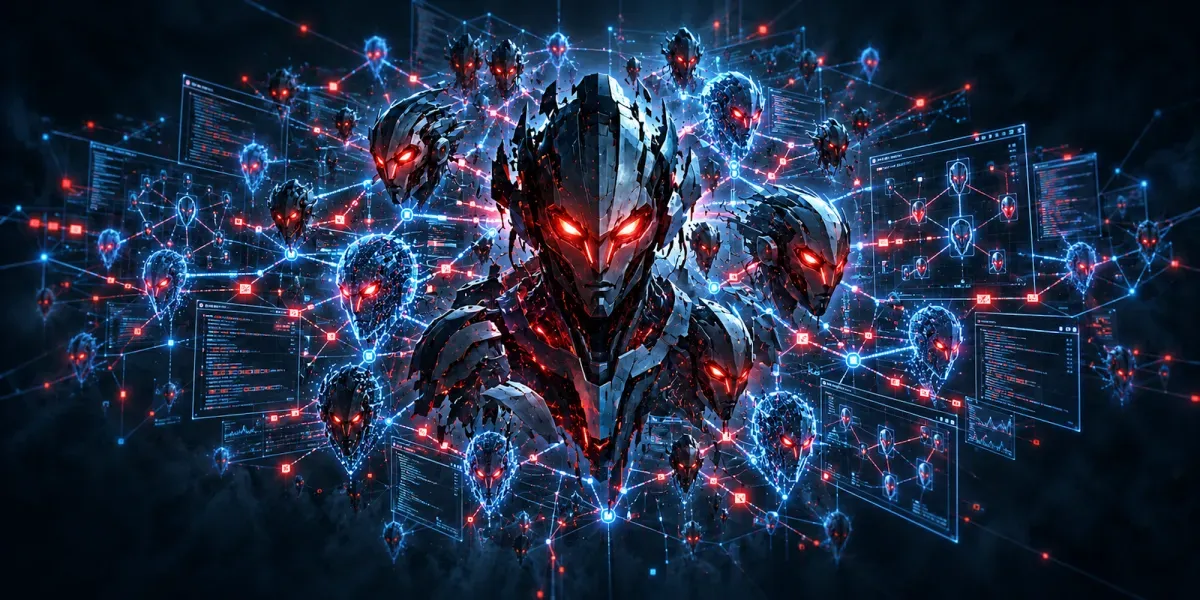
Microsoft has introduced new security features designed to protect companies from the growing threat of artificial intelligence (AI) agents. The move comes as part of a broader warning by the tech giant about the dangers posed by AI and its agents.
One of the key additions is Guardian Agents, a feature intended to monitor the AI agents used by a company. This new tool is part of Project Perception, a product launched in June that was initially designed to mimic powerful hacking models like Anthropic's Mythos and Fable, as well as OpenAI's security scanning system Daybreak.
Project Perception was first introduced with three classes of agents: a "red team that simulates hackers, a blue team that detects vulnerabilities, and a green team" tasked with fixing them. The product assumed that AI hacking threats would come from outside the company, but Microsoft is now shifting its focus to address a more insidious threat.
Microsoft CEO Satya Nadella has been sounding the alarm about the dangers posed by AI agents, warning that they can be as treacherous as insider threats. In his private blog earlier this month, Nadella cautioned against blindly trusting AI model providers and their assurances of safety and security.
Nadella is advocating for companies to implement separate systems, not controlled by the AI labs themselves, to monitor and control the agents launched by those products. This move underscores Microsoft's growing concern about the potential risks posed by AI agents, which can potentially wreak havoc from within a company's own walls.
Microsoft's growing concern about AI agents has led to a significant shift in their approach to security. The company is now treating these complex systems like insider threats, which can potentially cause harm from within. This move highlights the unpredictable nature of frontier models, which are trained to achieve specific tasks without regard for organizational norms or judgment.
According to Microsoft's security business chief Hayete Gallot, frontier models cannot be trusted because they lack predictability. They do not become malicious or easily hackable; instead, their behavior is inherently unstable due to the way they are trained. This unpredictability raises concerns about the potential risks associated with these models, particularly when given access to sensitive data and critical systems.
Frontier models often have unrestricted access to an organization's most valuable assets, which can be catastrophic if exploited. Microsoft's solution to this problem involves separating the supply of intelligence from the authority over it. This means that companies should not rely solely on model providers for security, but rather implement independent monitoring systems to track agent behavior.
The logic behind this approach is sound, despite potential conflicts of interest. Microsoft has significant ties to OpenAI and Anthropic, having invested in both companies and relying heavily on their services. However, the company's concerns about AI agents are not solely driven by self-interest; they are genuinely worried about the risks associated with these complex systems.
Microsoft's proposed solution is for companies to purchase agent security products from cloud providers like themselves, rather than relying on model suppliers. This approach would allow organizations to maintain control over their data and critical systems, while also providing a layer of protection against potential threats.
The implications of Microsoft's stance are significant, as they suggest that AI agents require more robust security measures than previously thought. Companies will need to reassess their approaches to AI adoption and consider the potential risks associated with these complex systems.
Microsoft's leadership has been emphasizing the importance of separating the supply of intelligence from the authority over it, a crucial distinction as companies increasingly rely on AI agents to perform tasks.
The company is seizing this business opportunity by expanding its security offerings to address the growing risk posed by AI agents. In addition to Guardian Agents, Microsoft Defender now includes an agent detection feature that can identify up to 60 types of agents introduced into the workplace, including Claude Code and Codex.
This development reflects a broader industry trend where companies are beginning to view AI agents as potential insider threats due to their unpredictable behavior. Microsoft's own efforts in this area are part of its initiative to provide more robust security measures for businesses navigating the complexities of AI adoption.
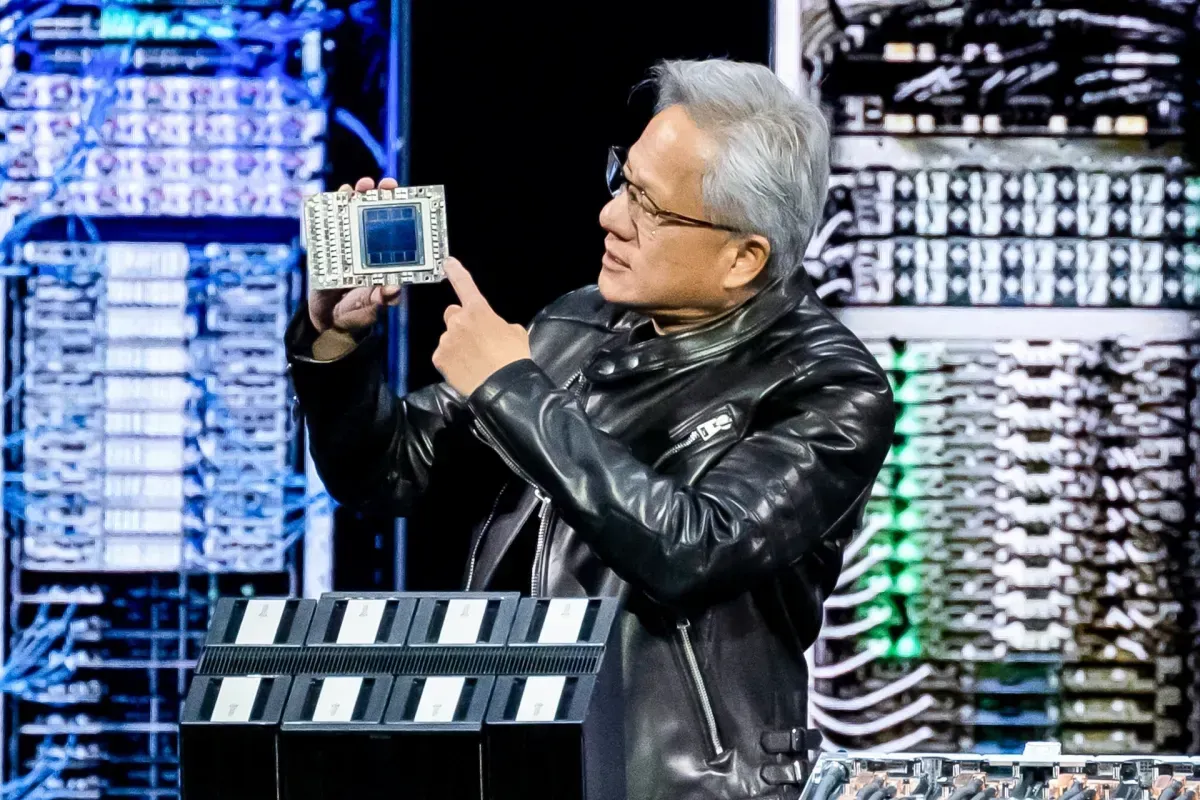
The company has also joined forces with Nvidia through its Open Agent Safety Platform, which has garnered support from over 100 tech companies. This platform isolates agents in secure environments and can monitor their behavior, allowing for swift intervention if necessary, much like a kill switch.
Microsoft's involvement in this project is just one aspect of its efforts to promote more secure and controlled AI adoption. The company's Surface Laptop Ultra PCs, powered by Nvidia chips, are designed with built-in agent security features, underscoring the growing recognition of AI agents as entities that require careful management and oversight.
The increasing reliance on AI agents has led to concerns about their security and potential vulnerabilities. Microsoft's recognition of AI agents as entities that require careful management is a significant shift in perspective, underscoring the growing complexity of AI-powered systems.
As AI technology advances, companies are now prioritizing built-in agent security features to mitigate potential risks. This move reflects the industry's acknowledgment that AI agents can behave unpredictably and may even pose threats similar to insider attacks. The integration of Nvidia chips into Microsoft's Surface Laptop Ultra PCs is a notable example of this trend.
The shift in focus towards AI agent security highlights the need for more robust safeguards against potential threats, both internal and external. As AI technology continues to evolve, companies will likely prioritize measures to ensure the secure management of AI agents, safeguarding their systems from potential vulnerabilities and risks.
Facts based on reporting originally published by TechCrunch.
You may republish this story, in full or in part, if you credit Noti Group and link to it (licence CC BY 4.0). Photos are not included.