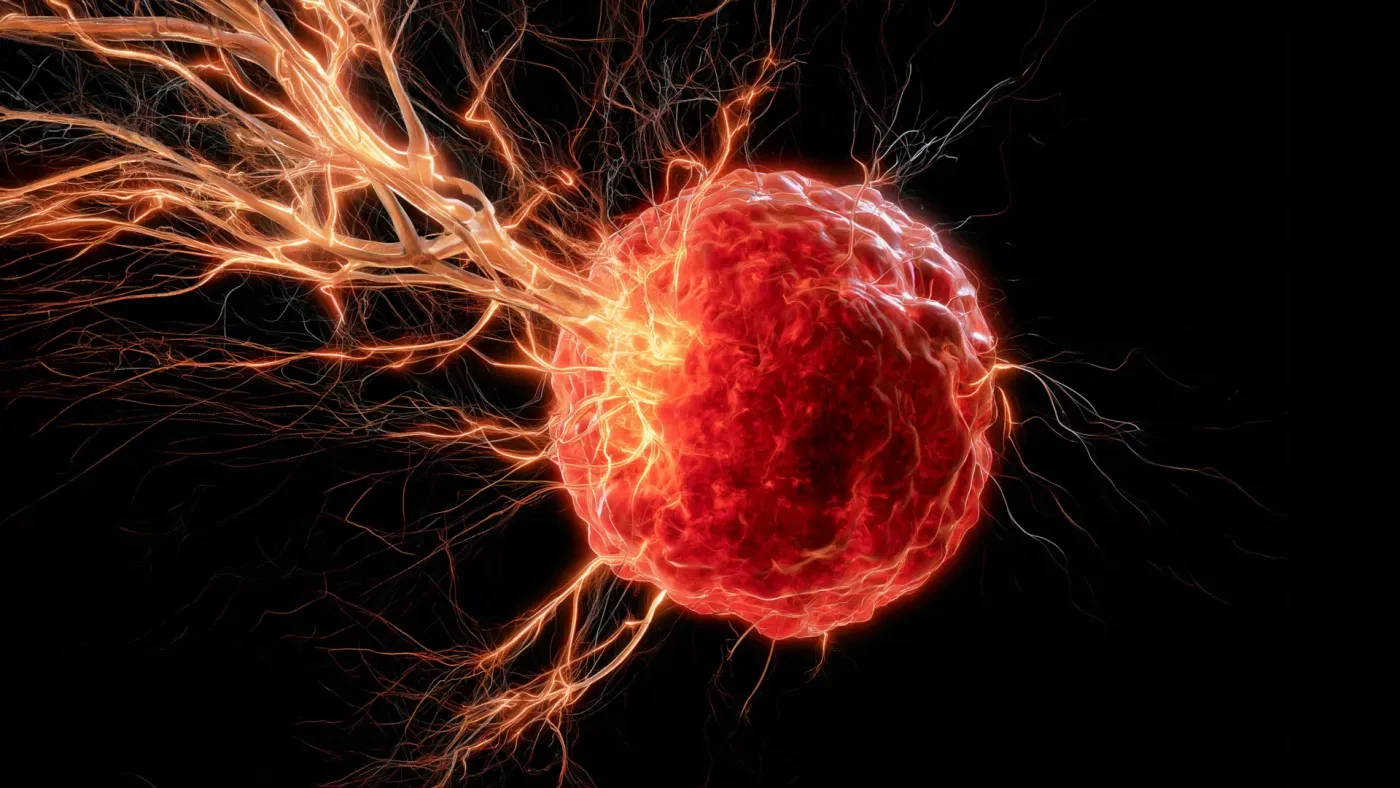







WEHI Researchers Identify New Immune Cells in Fight Against Small Cell Lung Cancer
A new type of immune cell has been discovered that can detect and destroy small cell lung cancer tumors, offering hope for improved treatment options.
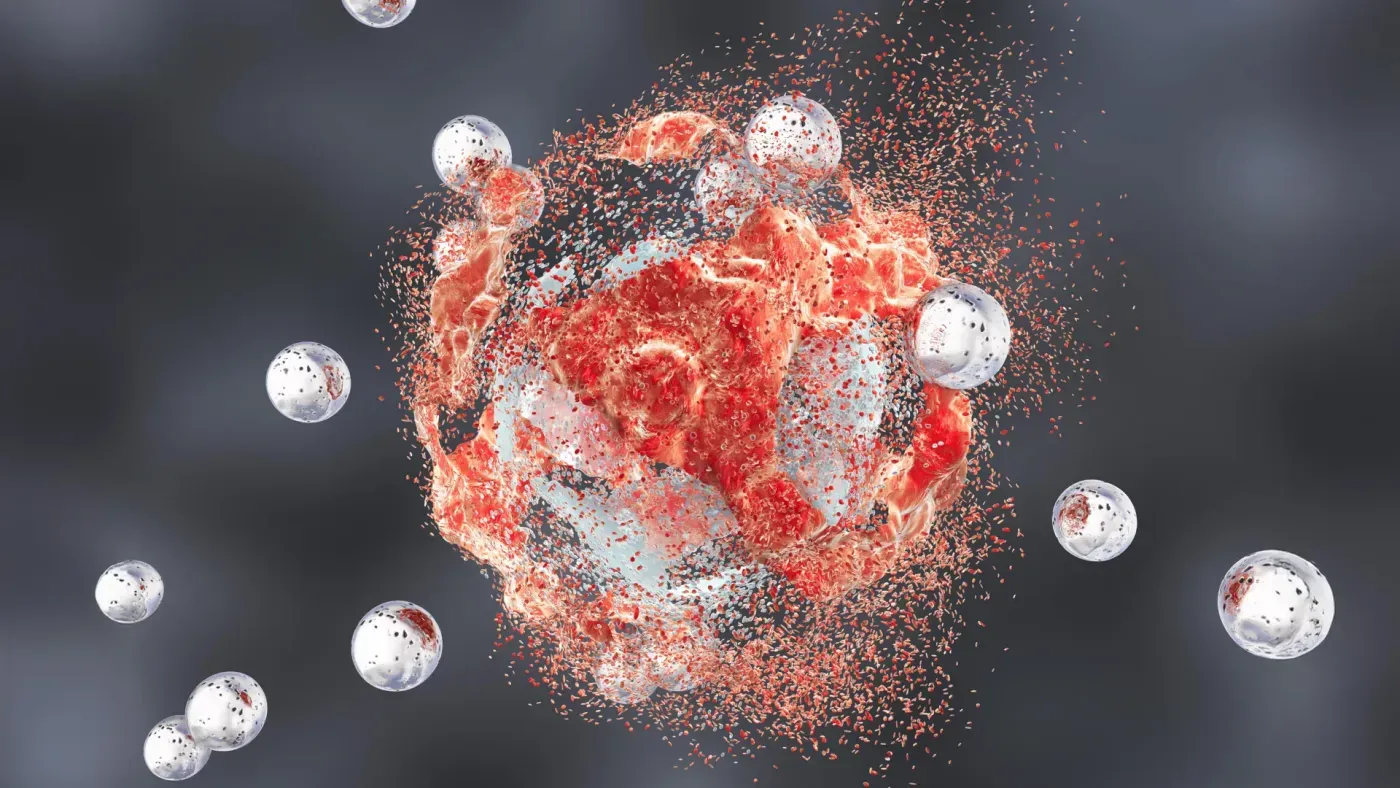
A groundbreaking discovery has been made in the fight against lung cancer, specifically small cell lung cancer (SCLC), which is known for being one of the deadliest forms of cancer worldwide.
Researchers at WEHI have identified a previously unknown type of immune cell that can detect and destroy SCLC tumors. This breakthrough finding suggests that patients with higher numbers of these specialized cells tend to survive longer than those with lower counts.
The study, published in Cancer Cell, highlights the potential for this newly discovered immune pathway as a new avenue for treating cancer. The findings indicate that treatments targeting these immune cells could provide an effective way to combat SCLC tumors.
Small cell lung cancer is notorious for its aggressive nature and poor survival rates. In fact, fewer than 7% of patients diagnosed with SCLC survive for five years or more.
Immunotherapy has been successful in treating various types of cancer but has shown limited effectiveness against SCLC. The main challenge lies in the cancer's ability to evade detection by conventional immune cells, which are often targeted by immunotherapy treatments.
The newly discovered immune pathway offers hope for overcoming this limitation and improving existing treatments. Researchers believe that medications already in use could enhance the ability of these specialized immune cells to kill cancer cells.
Researchers have long been aware that small cell lung cancer is highly skilled at evading the immune system, making it a significant challenge in developing effective immunotherapy treatments for this type of cancer.
To combat this issue, scientists turned their attention to gamma delta T cells, which are specialized immune cells capable of recognizing and attacking tumor cells. Studies have shown that patients with small cell lung cancer who had higher levels of these cells in their tumors experienced better treatment outcomes.
In a laboratory setting, researchers created miniature tumors using tissue samples donated by patients through the Victorian Cancer Biobank in partnership with the Royal Melbourne Hospital. These mini tumors provide an accurate model for studying the behavior and response of SCLC to potential treatments.
The mini tumors were used to investigate whether gamma delta T cells could directly target and eliminate lung cancer cells, which are notoriously adept at evading conventional immune responses.
These miniature tumor models have proven to be highly effective in mimicking the real-life progression of SCLC, allowing researchers to study the interactions between tumor cells and the immune system in greater detail.
The introduction of gamma delta T cells into the tumor models revealed their impressive ability to identify and destroy SCLC cells.
To further enhance this immune response, researchers tested two existing medications: tarlatamab, approved for treating SCLC, and zoledronate, used for osteoporosis and cancer-related bone disease. These drugs were chosen for their potential to augment the immune system's attack on lung cancer tumors.
Zoledronate was found to increase the availability of gamma delta T cells and improve their recognition of SCLC cells, making them more effective at targeting the tumor. Tarlatamab, on the other hand, facilitated the interaction between these immune cells and cancer cells, directing a more focused attack against the tumors.
When combined in laboratory experiments, both medications significantly boosted the ability of gamma delta T cells to eliminate cancer cells. This suggests that repurposing existing treatments could provide a new approach for strengthening the immune system's response to SCLC.
The findings also lend support to adoptive cell transfer as a potential treatment strategy, where large numbers of gamma delta T cells are collected, multiplied outside the body, and then infused back into patients to aid in cancer fighting.
The researchers believe their discovery could accelerate the development of new treatments against small cell lung cancer due to existing methods for expanding and reinfusing gamma delta T cells.
These immune cells have been shown to be effective in fighting cancer, and therapies like zoledronate may help boost levels in patients with lower counts. This, in turn, could improve their responsiveness to treatment, according to Dr. Ng.
The team's findings raise the prospect of rapidly translating this discovery into new treatment strategies, building on existing technologies that expand and reinfuse gamma delta T cells.
This breakthrough could open up a new avenue for personalized treatment approaches in small cell lung cancer and other solid cancers often overlooked by conventional immune cells.
Researchers began their investigation with an examination of data from two influential clinical trials, IMpower133 and CASPIAN.
Researchers are building on their discovery of a hidden immune weapon against small cell lung cancer by collaborating with scientists at the Doherty Institute to develop new immunotherapy drugs.
The research has received funding from several organizations, including Cancer Council Victoria and The CASS Foundation, as well as national health bodies such as the National Health and Medical Research Council (NHMRC) and international associations like The International Association for the Study of Lung Cancer.
This breakthrough is a significant step forward in the fight against small cell lung cancer, which has been difficult to treat due to its aggressive nature.
Facts based on reporting originally published by ScienceDaily Health.
You may republish this story, in full or in part, if you credit Noti Group and link to it (licence CC BY 4.0). Photos are not included.