






US Sends Third Aircraft Carrier Towards Iran
The United States is sending additional military assets to the region around Iran, including a Marine Expeditionary Force and F-35 fighter jets, as tensions between the two countries continue to escalate.
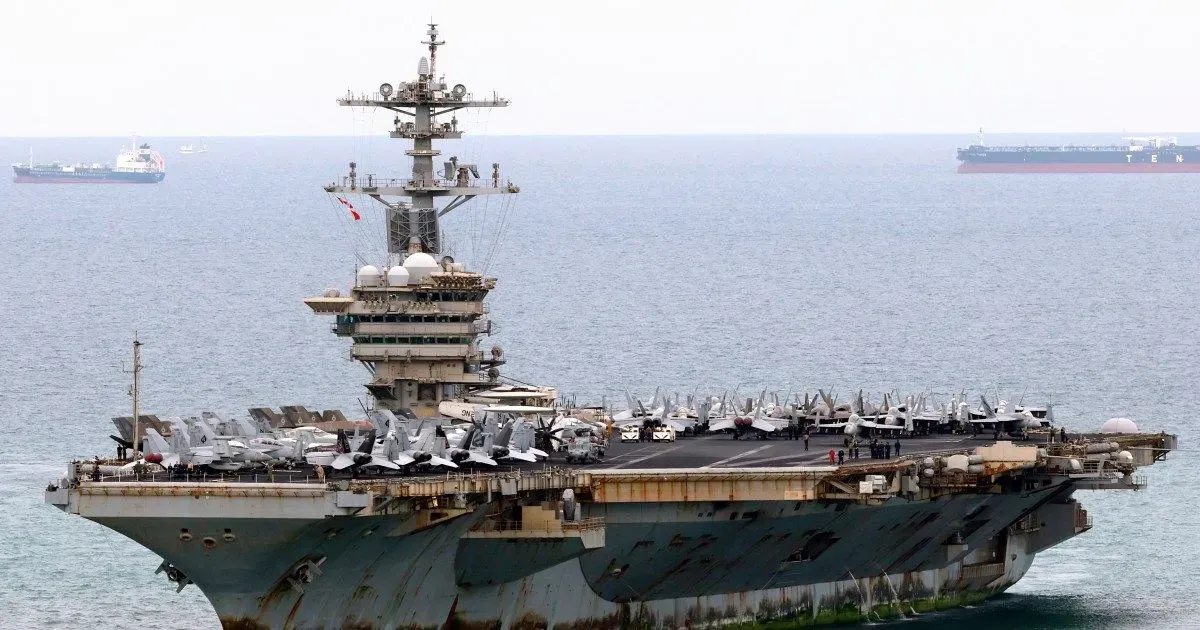
The United States is sending a third aircraft carrier towards Iran as tensions between the two countries continue to escalate. According to a US official, the USS Theodore Roosevelt carrier strike group has left its base in San Diego and is bound for the region.
In addition to the aircraft carrier, a Marine Expeditionary Force consisting of over 2,000 Marines has also departed from San Diego, following one day behind the carrier strike group. This deployment marks a significant increase in military presence around Iran, with multiple assets being sent to the area.
By the end of November, three US aircraft carriers and two amphibious landing groups will be positioned around Iran. The official stated that this concentration of force is intended to provide President Donald Trump with a range of options should he decide to take action against Iran.
The deployment includes thousands of troops and additional air power, including F-35 fighter jets, which will be layered on top of the approximately 50,000 US service members already stationed in the region. This buildup aims to keep military options available for Trump regardless of how diplomatic efforts unfold with Iran.
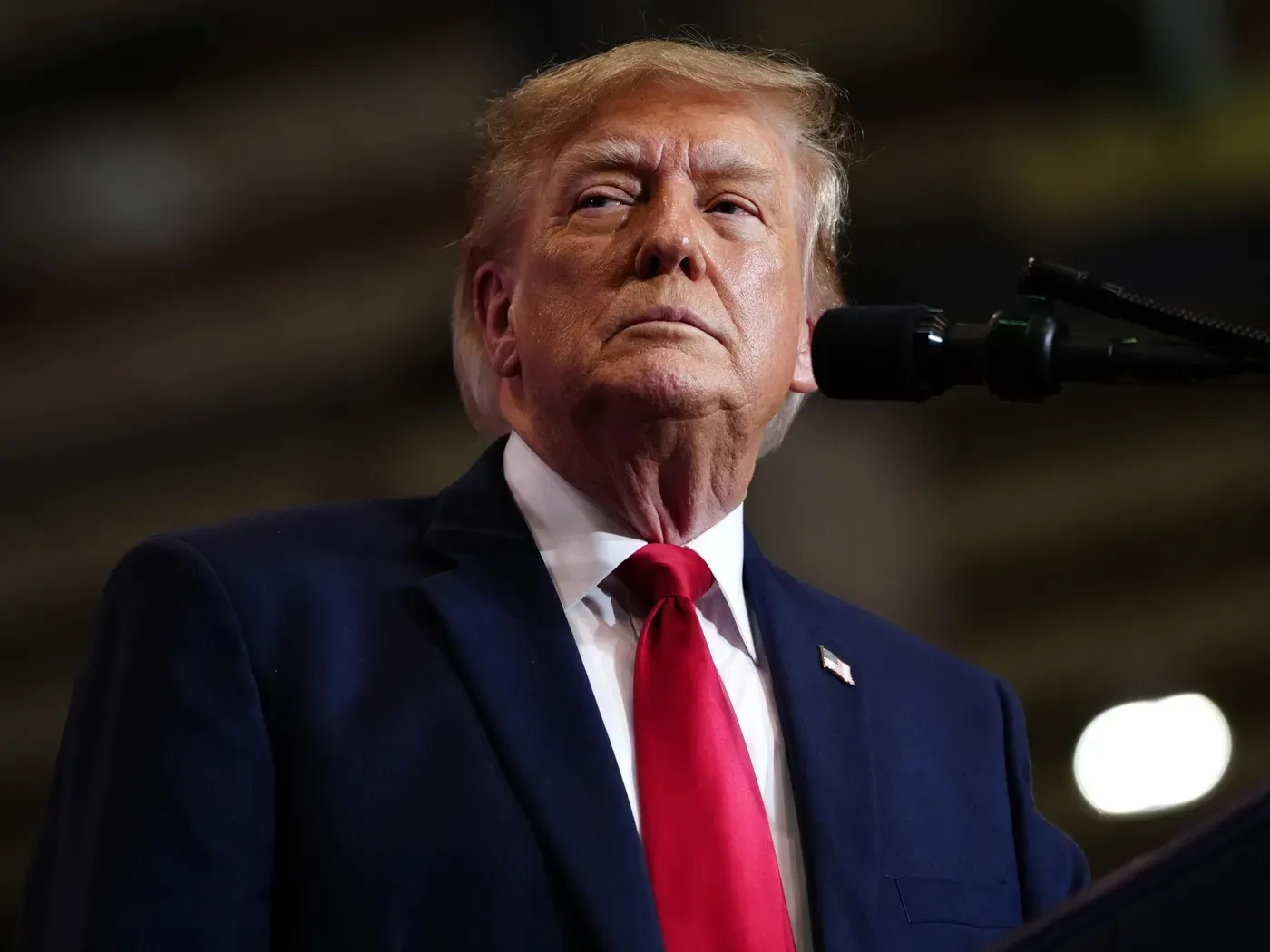
The US president's rhetoric on Iran continues to escalate tensions in the region. In recent interviews, Donald Trump expressed confidence that the US would emerge victorious from any conflict with Iran, stating that a resolution could be achieved "very soon. However, he also hinted at the possibility of renewed military action against Tehran.
To bolster its naval presence in the area, Washington is sending a third aircraft carrier towards Iran. This move aims to demonstrate the US's commitment to protecting its interests and allies in the region. The dispatch of additional military assets comes as part of a broader effort to pressure Iran through economic sanctions.
Iran has responded with its own proposals for de-escalation, conveyed through Qatar. The plan would see Tehran reopen the Strait of Hormuz and resume nuclear talks with world powers in exchange for relief from US-led sanctions and a regional ceasefire covering Lebanon and Yemen.
The US has rejected key aspects of Iran's proposal, with Ambassador to the UN Mike Waltz declaring that sanctions relief was non-negotiable". He emphasized that global sanctions against Iran are not solely an American initiative, but rather the result of seven UN Security Council resolutions condemning Tehran's nuclear ambitions.
Tehran's stance on the conflict remains ambiguous, as Foreign Minister Abbas Araghchi conveyed a readiness to resume hostilities while emphasizing the country's commitment to peace.
Analysts suggest that Iran's mixed signals are a deliberate strategy, designed to create uncertainty and pressure on all parties involved in the negotiations. This approach has shifted the focus from whether or not to engage in talks to who will be forced to yield first.
The mixed messages have been met with skepticism by both domestic and international audiences, as reflected in a recent poll showing that nearly 70 percent of Americans believe the war has not been worth fighting.
Facts based on reporting originally published by Al Jazeera.
You may republish this story, in full or in part, if you credit Noti Group and link to it (licence CC BY 4.0). Photos are not included.