Technology
Polestar Collaborates with University of Oxford on Driver Experience Study
Researchers at the University of Oxford are collaborating with Polestar to explore how car performance affects the driver.










Researchers at the University of Oxford are collaborating with Polestar to explore how car performance affects the driver.
Researchers have developed a tool called FaceSurvival that uses facial features to estimate how ill patients are and their chances of survival from cancer.
Researchers at Columbia University have made a groundbreaking discovery that could help explain why some people remain mentally sharp despite carrying a genetic risk factor for Alzheimer's.
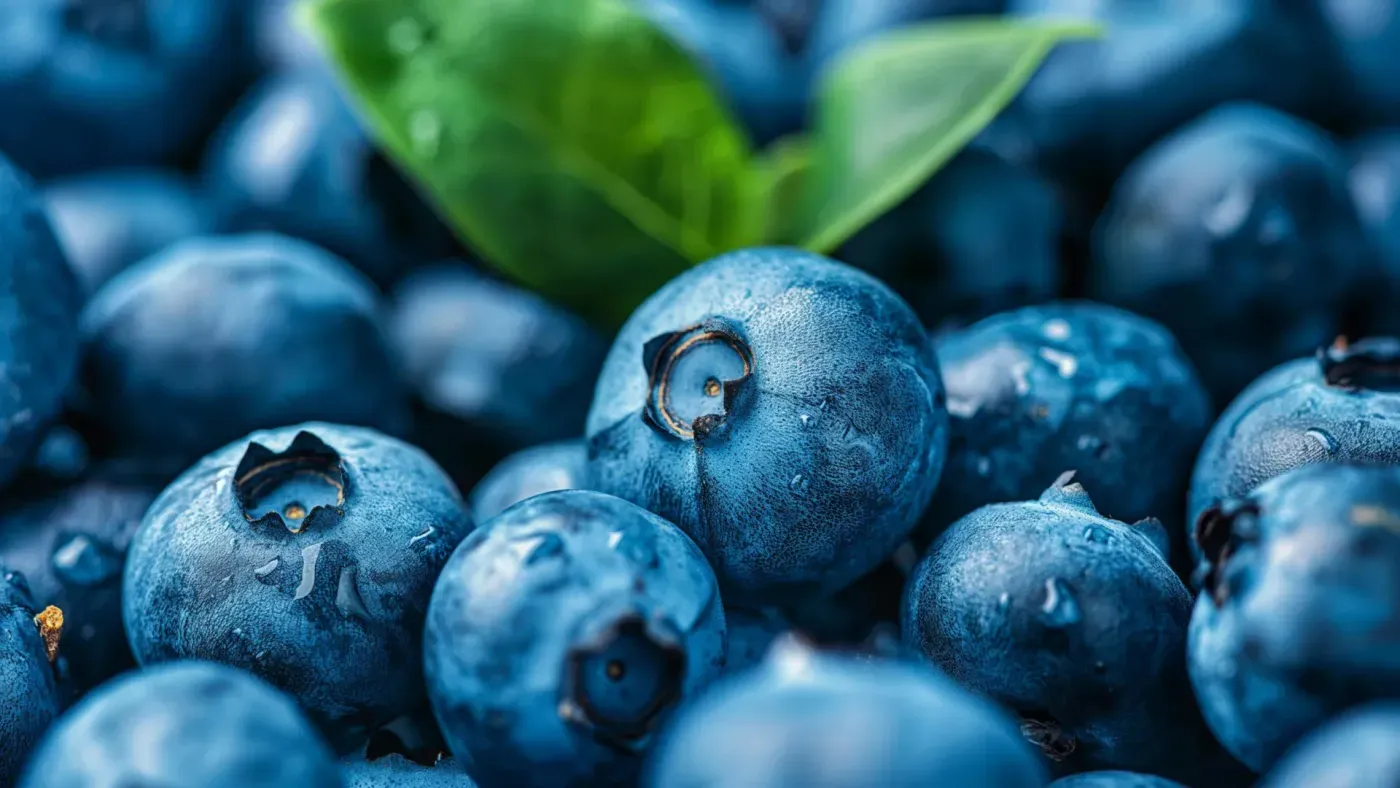
A small pilot study found that daily blueberry consumption may reduce depressive symptoms in older adults, but more research is needed to confirm these findings.
A new microscope developed by Stanford University researchers enables scientists to observe cellular structures in real time without the need for fluorescent labels.
Scientists at Cold Spring Harbor Laboratory have found that activating a protein in immune cells can make them more effective at attacking cancerous cells, potentially opening up new avenues for treating certain cancers.
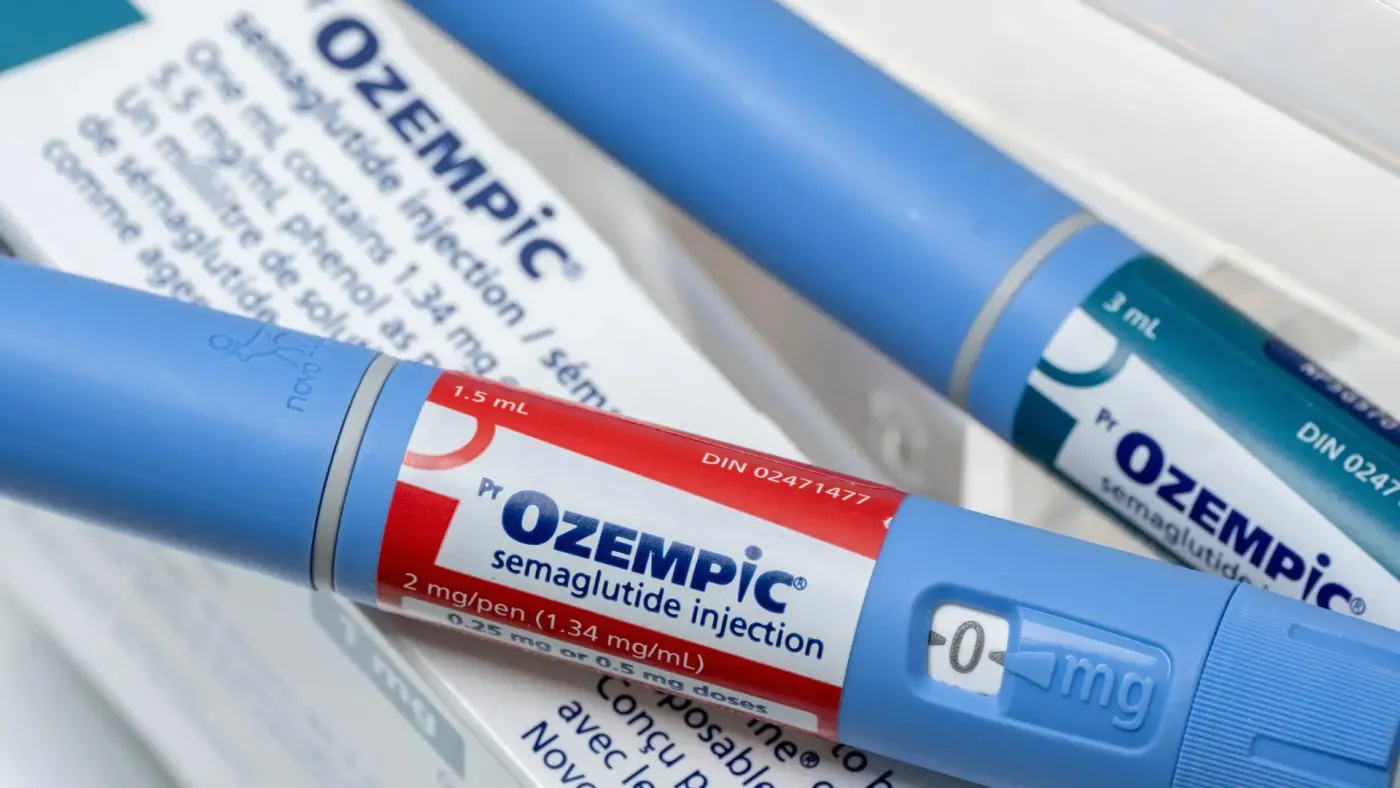
Researchers at Rutgers have discovered a link between two widely used medications, Ozempic and Wegovy, and an increased risk of ischemic optic neuropathy, which can cause sudden vision loss.
Guinea-Bissau's health minister has denied approving a vaccine trial involving newborns that was set to be funded by the US government and private partners.
The reliance on machine translation raises concerns about its limitations and potential consequences due to struggles with idiomatic expressions.
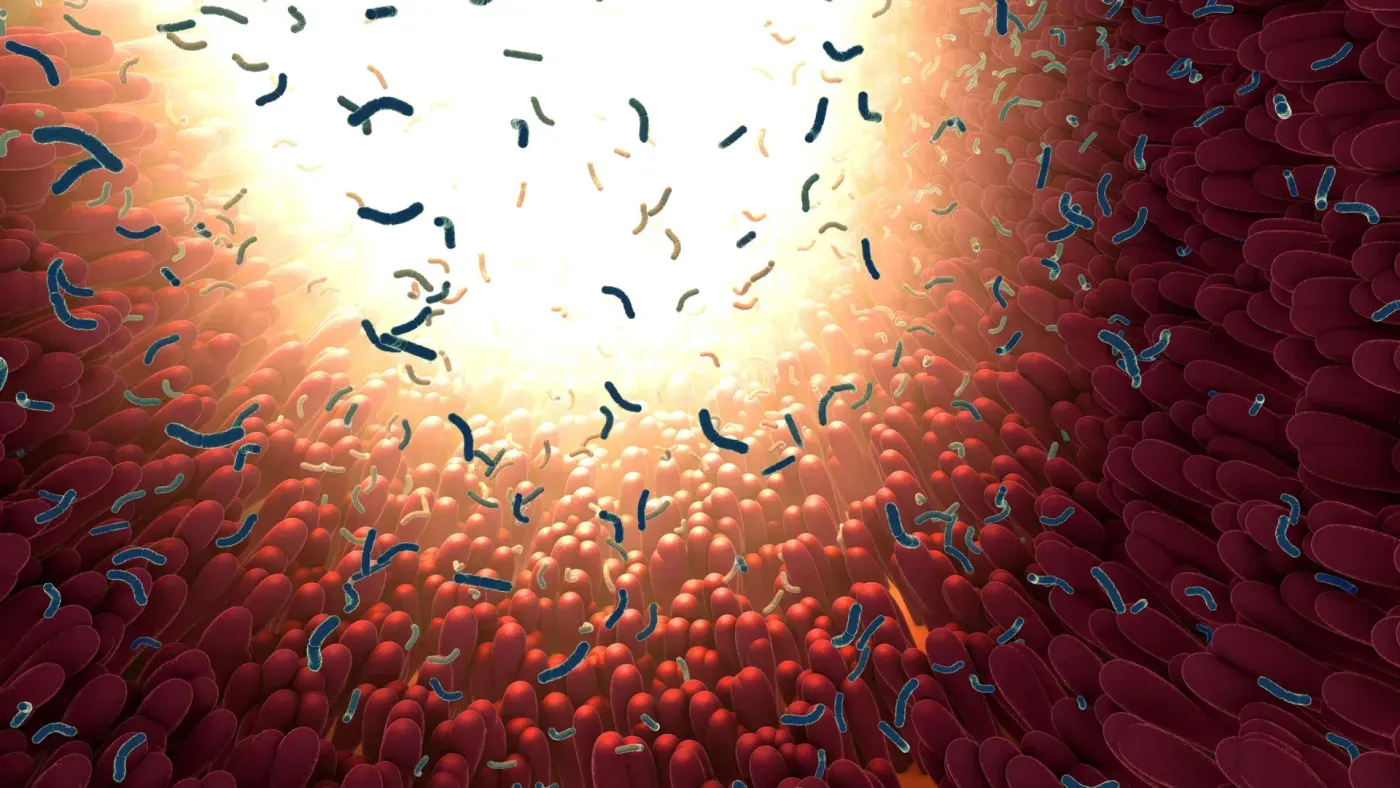
A new mathematical model, known as DAMM (digestion, absorption, and microbial metabolism), tracks how food moves through the digestive tract and estimates which products of digestion are absorbed by the body.
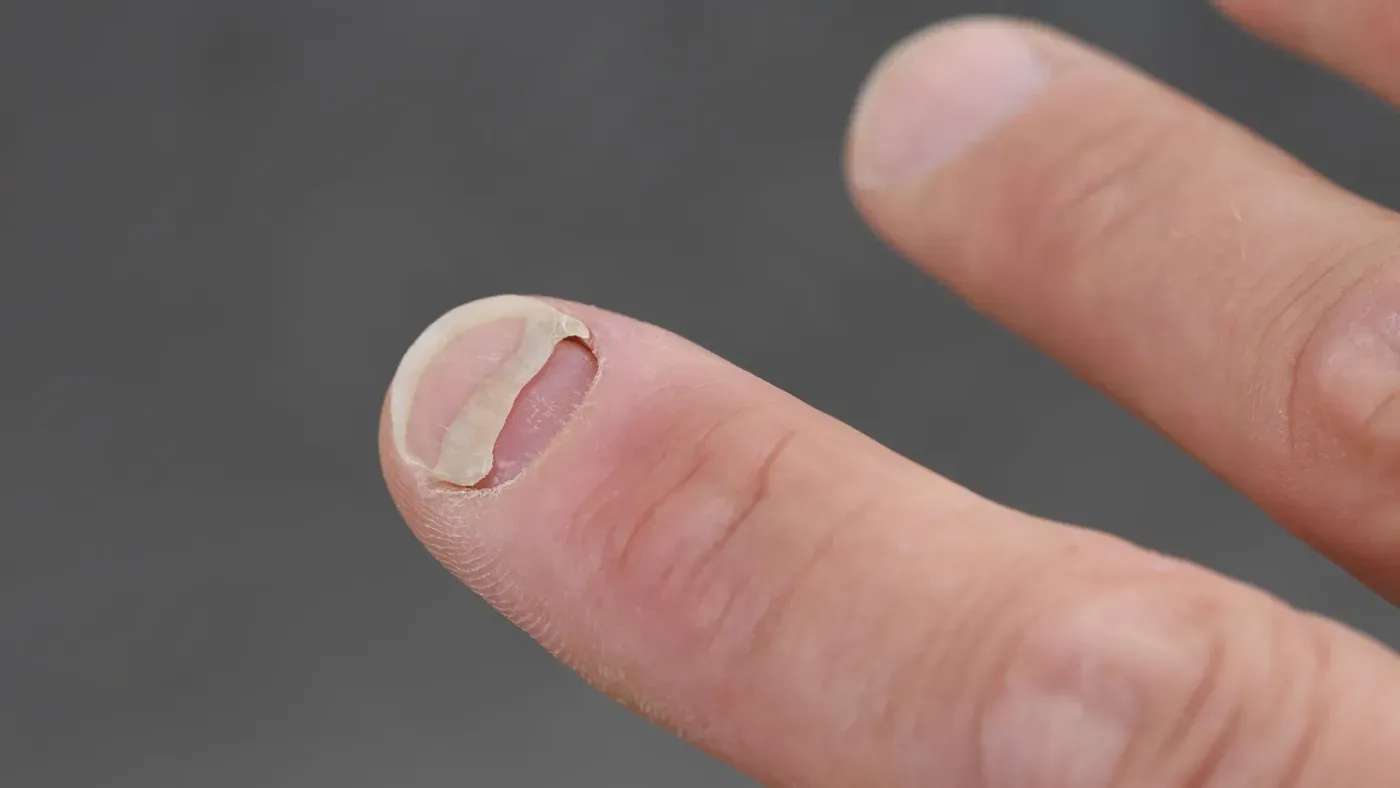
Researchers have found a significant link between popular weight loss medications and an unexpected fingernail problem, with 39% of GLP-1 users reporting nail detachment.
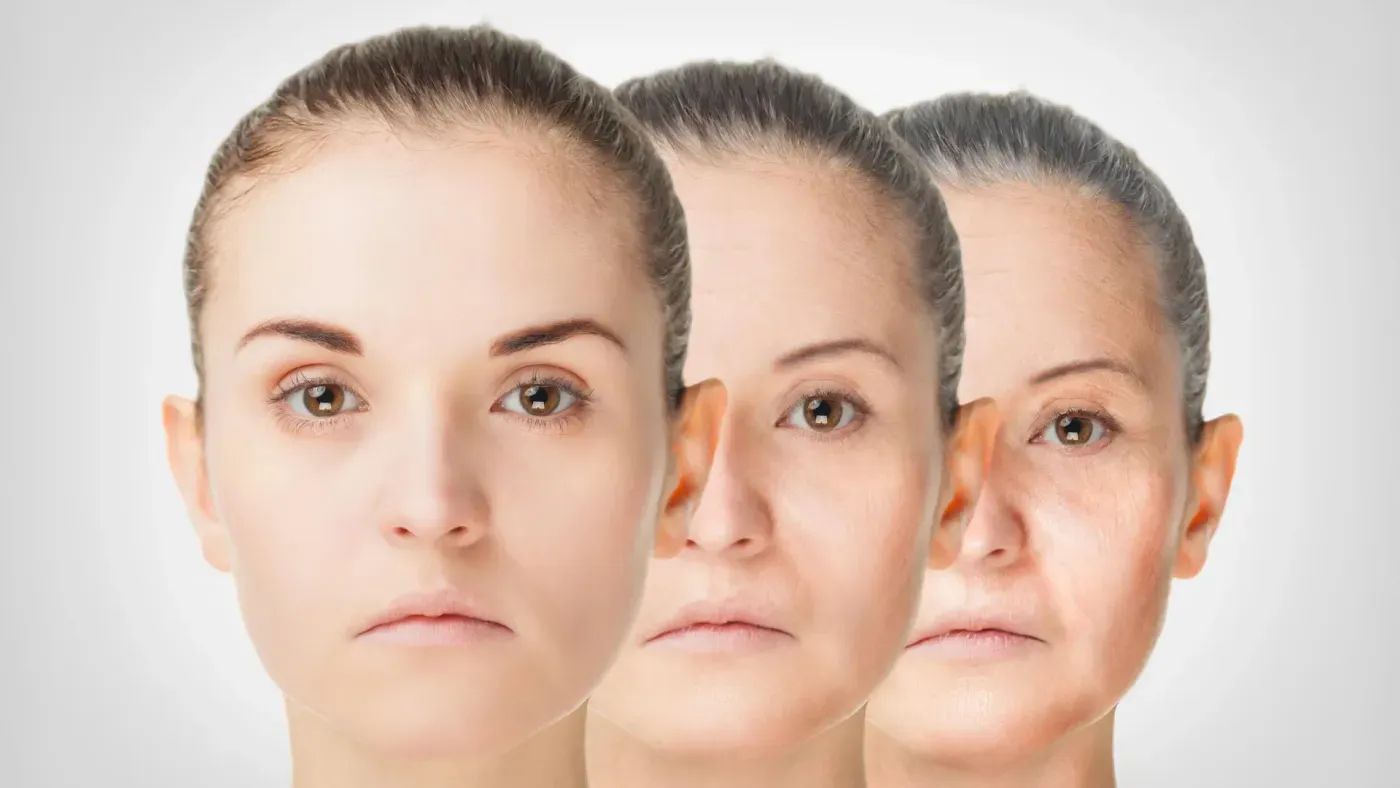
A team of scientists led by Lige Leng from Xiamen University in China made a groundbreaking discovery that could potentially reverse some effects of aging in mice, including improving memory, balance, bone mass, and skin thickness.
Scientists at Flinders University have discovered that the compound responsible for vanilla's flavor and aroma, vanillin, has antioxidant, anti-inflammatory, and antibacterial properties.
A new study reveals that eating fat before carbohydrates can significantly impact blood sugar levels in mice, potentially offering an effective way to control blood sugar without restricting entire food groups.
Spanish archaeologists have uncovered 597 wooden remains from Neanderthal living areas dating back between 62,000 and 40,000 years ago.
A new study has highlighted a paradox in the use of artificial intelligence coding assistants and agents: while these tools can generate vast amounts of functional code, they do not necessarily translate to increased software output or reduced employment.
A highly contentious vaccine trial has reignited controversy among health experts after reports emerged that the US Centers for Disease Control and Prevention is poised to allocate $1.6 million in funding for the project.
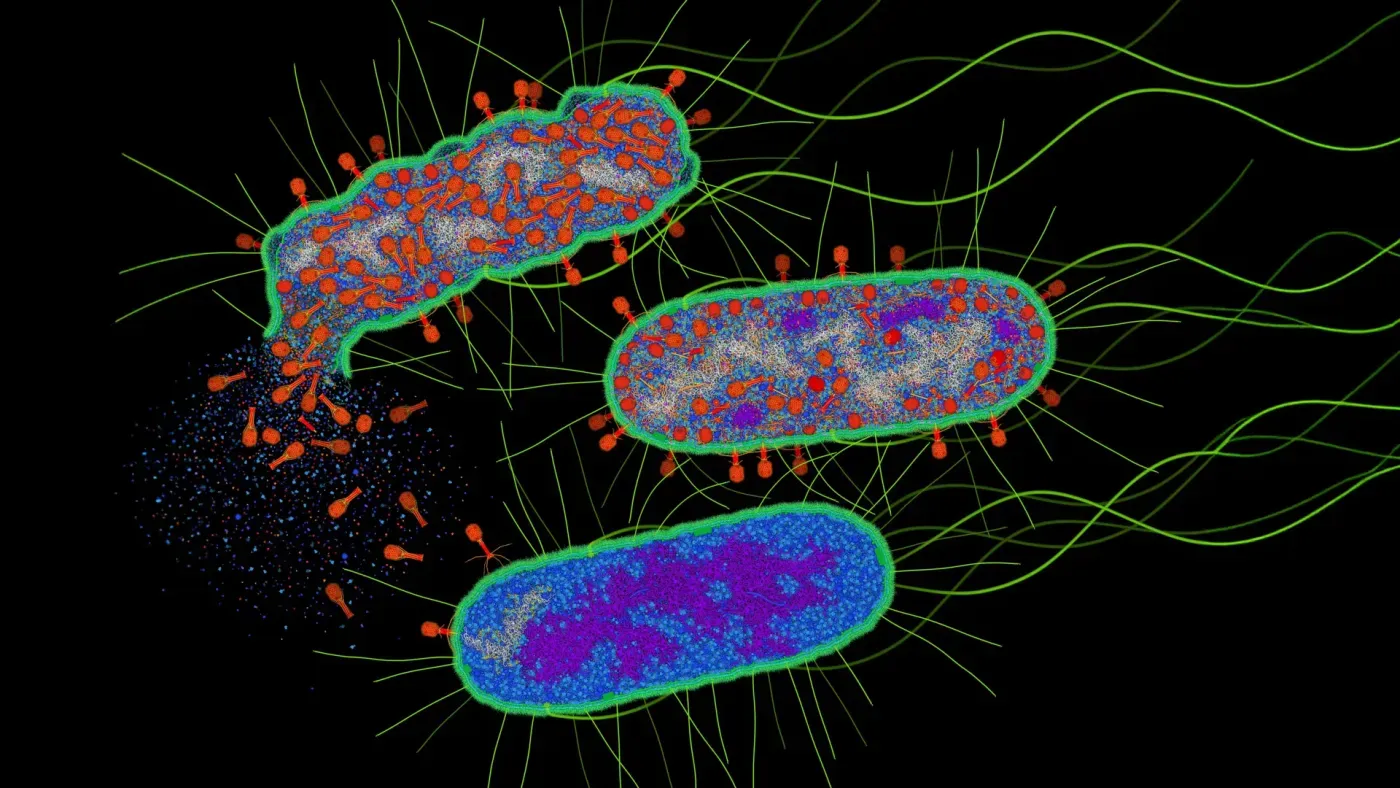
Researchers have made a major breakthrough in understanding how bacteria detect and respond to viral infections, which could lead to more effective phage therapies.
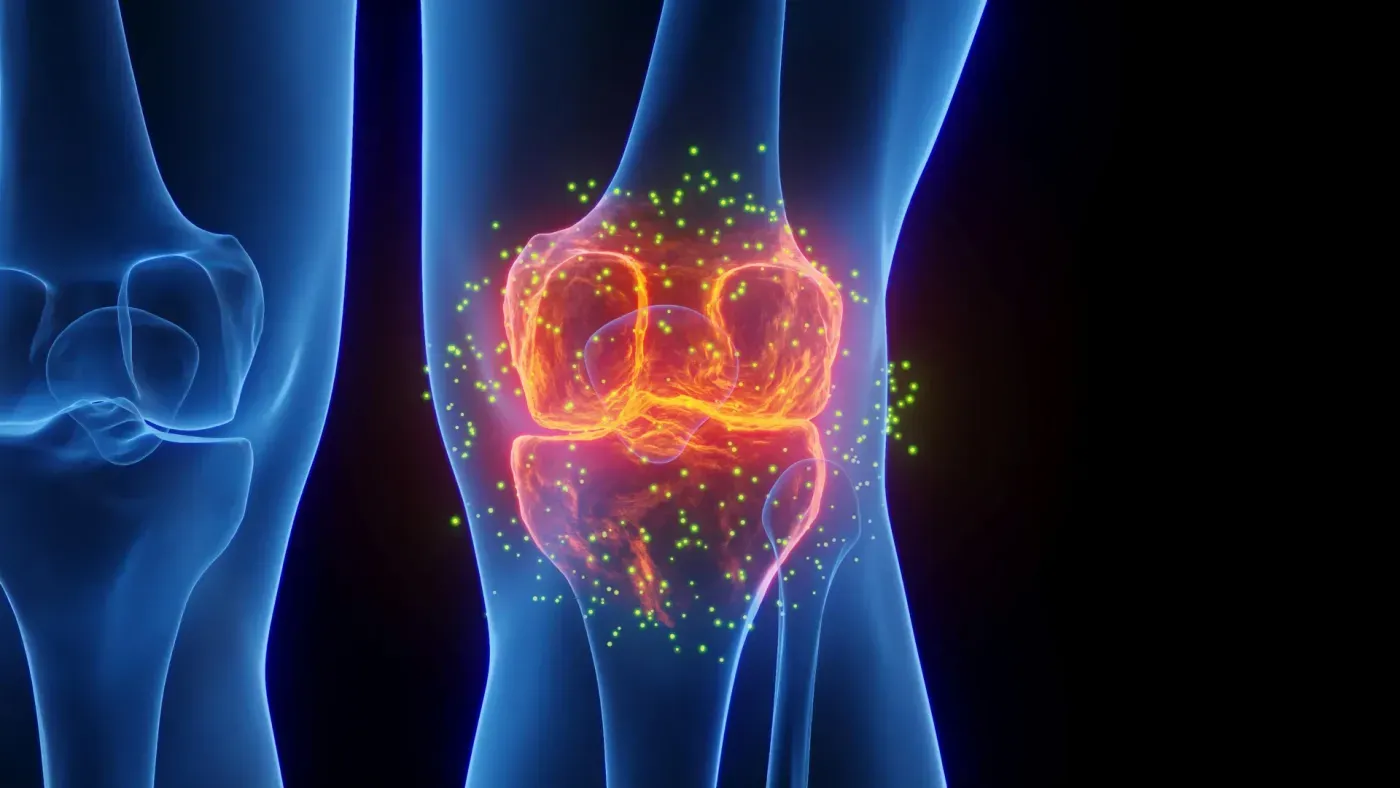
A new study from Yale suggests that lacosamide, an FDA-approved medication for epilepsy, can reduce joint pain and reverse cartilage damage in patients with osteoarthritis when delivered directly into the joint.
A new study has found that just one week of strength training can significantly impact fat cell breakdown in obese mice, even when their body weight remains unchanged.