







Inflammation during pregnancy linked to autism-like traits in male mice
Researchers have discovered a previously unknown link between inflammation and placental changes that may contribute to autistic traits in male mice.
Researchers are still struggling to pinpoint the exact causes of autism spectrum disorder, despite significant advances in understanding the condition. While it is well established that genetic factors play a major role, studies have also highlighted the potential impact of prenatal conditions on an individual's likelihood of developing autism.
A groundbreaking new study has uncovered a previously unknown link between inflammation during pregnancy and changes to the placenta, which may contribute to the development of autistic traits in male mice. The research suggests that disruptions in fetal development could begin much earlier than previously thought, offering a fresh perspective on the origins of autism.
According to Dr Lucas Cheadle, Associate Professor at Cold Spring Harbor Laboratory, understanding autism requires looking beyond the brain alone. His team's findings imply that maternal immune activation and changes within the placenta may serve as an entry point for autism in certain individuals.
The study involved inducing an inflammatory response in pregnant mice using a substance that mimics the body's reaction to a viral infection without actually introducing a virus. This allowed researchers to investigate how inflammation affects fetal development at different stages of pregnancy.
Preliminary findings indicate that mouse fetuses are particularly vulnerable when exposed to inflammation 12.5 days into gestation, with approximately one-third showing developmental abnormalities within just 24 hours.
Researchers have been studying the effects of maternal immune activation for many years, but recent findings suggest that developmental disruption can occur earlier than previously thought.
A striking aspect of this research is the difference in outcomes between male and female fetuses. In every experiment conducted, autism-like traits were observed only in males, while females continued to develop normally without issue.
This disparity could provide valuable insights into why autism is diagnosed more frequently in boys than girls. The early appearance of these differences is also noteworthy, as it occurs before the biological changes typically associated with sex-specific development take place.
According to one researcher, this finding is particularly intriguing because it appears at an age preceding hormonal surges and other key developmental milestones.
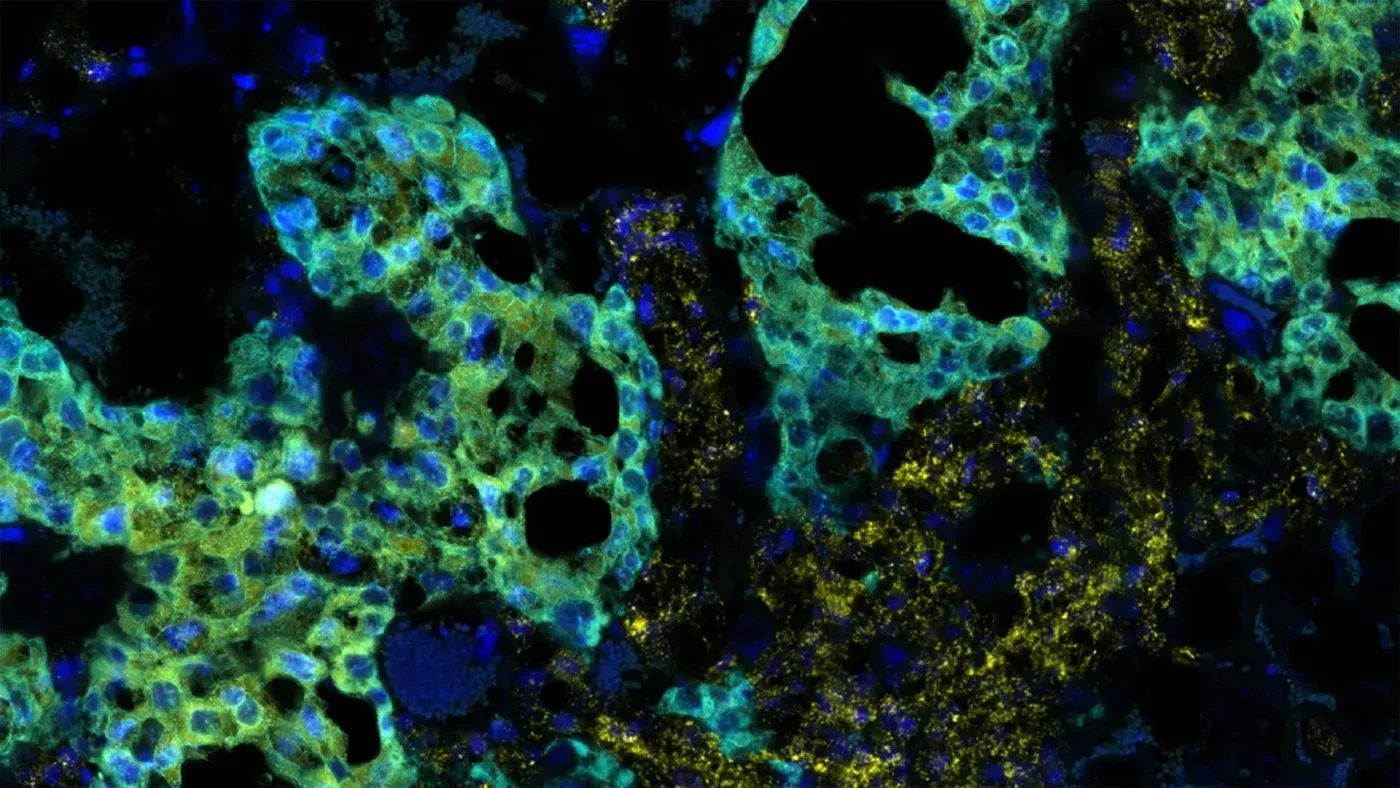
The placenta, a vital organ connecting the developing fetus to its mother, has emerged as a crucial area of focus in understanding these findings.
The placenta's protective function against maternal immune activation is crucial for fetal development, as it shields the fetus from an overly aggressive immune response.
Damage to spongiotrophoblasts can disrupt this protection, allowing the mother's immune system to target the developing fetus and potentially cause harm.
Research suggests that female fetuses may have a hidden advantage in terms of resistance to maternal immune activation. This raises questions about why male fetuses appear more vulnerable to its effects.
One possible explanation is that male embryos produce proteins that can trigger an adverse maternal immune response after infection, making them more susceptible to damage. Alternatively, female embryos may possess a protective mechanism that enables them to withstand inflammation during critical developmental periods.
Cheadle's research team aims to delve deeper into the mechanisms behind these differing responses in both male and female mice.
Their findings suggest that crucial clues to autism's early development might not be confined solely to brain studies but could also lie in the placenta and its interactions with the maternal immune system, offering a novel perspective on the condition's origins.
Further investigation of this phenomenon may ultimately lead to the identification of new targets for treatments and provide insights into how to intervene earlier in developmental processes associated with autism.
Facts based on reporting originally published by ScienceDaily Health.
You may republish this story, in full or in part, if you credit Noti Group and link to it (licence CC BY 4.0). Photos are not included.