





Medical Cannabis Ineffective in Treating Insomnia: Study Finds
A recent scientific review has cast doubt on the effectiveness of medical cannabis in treating insomnia.
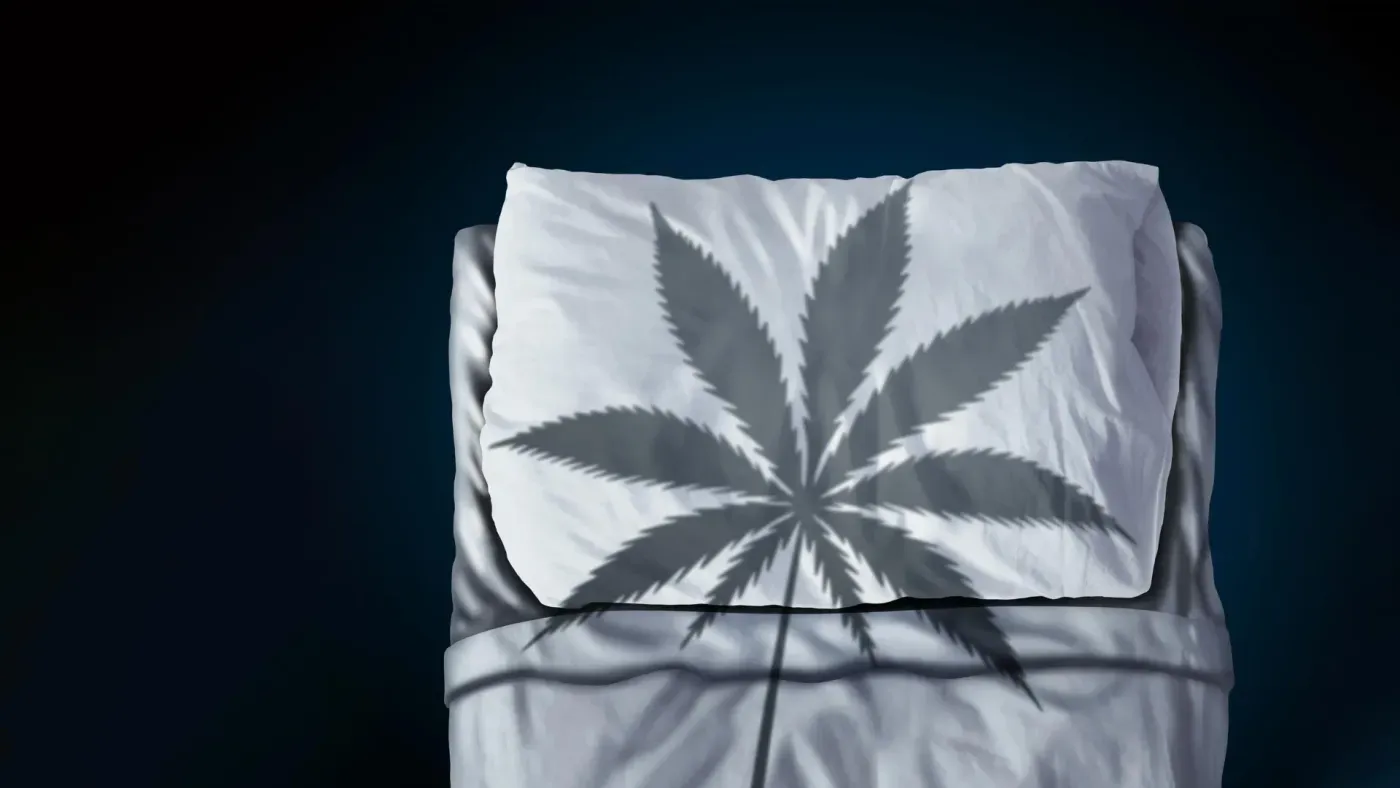
A recent scientific review has cast doubt on the effectiveness of medical cannabis in treating insomnia, a condition that affects millions worldwide. The study's findings suggest that the available evidence is insufficient to conclude whether cannabis improves sleep quality, duration, or daytime functioning.
Insomnia can have severe consequences, including disrupted daily life and an increased risk of developing anxiety or depression. People with insomnia often struggle to fall asleep, stay asleep throughout the night, or wake up feeling rested. This condition can be particularly challenging for those who experience chronic sleep deprivation.
Conventional treatments for insomnia include cognitive behavioral therapy, which aims to change negative thought patterns and habits that interfere with sleep. Medications such as antidepressants and antipsychotics are also used to help manage symptoms of the condition. However, these approaches do not work equally well for everyone, prompting a search for alternative solutions.
Medical cannabis has garnered significant attention due to its potential benefits in improving sleep. Unlike recreational cannabis, medical products typically contain measured amounts of THC and CBD, two compounds found in cannabis. These regulated products are administered as tablets, sprays, or oils, fueling ongoing debate about their effectiveness in treating insomnia.
Researchers at The Cochrane Associate Centre and the University of Manitoba have conducted an extensive review to examine the effectiveness of medical cannabis in treating insomnia. Their analysis involved nine clinical trials involving 537 adults aged between 18 and 76.
The majority of these studies focused on individuals with primary insomnia, meaning their sleep issues were not linked to another underlying condition. The trials compared regulated medical cannabis against a placebo, an inactive treatment used as a benchmark for assessing the efficacy of therapies. One trial also pitted cannabis against amitriptyline, an antidepressant sometimes prescribed to treat sleep disorders.
Despite the attention given to medical cannabis as a potential insomnia remedy, the researchers found little evidence that it offers meaningful improvements in sleep quality or satisfaction. The treatment showed no significant benefits in terms of total hours slept or daytime functioning when compared against placebos in eight out of nine trials.
The review also uncovered some concerning side effects associated with medical cannabis use. Participants who received this treatment experienced a higher incidence of mild adverse reactions, including dizziness and dry mouth, compared to those given a placebo. However, the reliability of this finding is limited due to its reliance on data from relatively few studies.
The evidence supporting the effectiveness of medical cannabis in treating insomnia is far from conclusive. Despite some indications that it may improve overall quality of life, the findings are highly uncertain and open to interpretation.
The main message is that we cannot reliably determine whether medical cannabis helps people with insomnia based on the current research, says Dr. Lucia Varela, lead author of the study from the University of Manitoba, Canada. The researchers' inability to draw reliable conclusions does not necessarily imply that medical cannabis is ineffective, but rather highlights the need for more robust evidence.
One major obstacle in assessing the effectiveness of medical cannabis for insomnia is the quality of the research itself. Reviewers have expressed low or very low confidence in the available evidence due to concerns about small study populations and potential bias in how trials were conducted.
The lack of consistency between studies has also hindered efforts to determine whether medical cannabis can be an effective treatment for insomnia. Researchers tested different products, making it challenging to compare results directly or identify which formulations might work best.
The studies on medical cannabis for insomnia were limited by their relatively short duration.
Most of these trials lasted only a few months, with some following participants for as little as 12 weeks.
This raises questions about whether medical cannabis can provide lasting benefits or produce additional effects over time.
A longer study period would be needed to determine if the treatment's effectiveness persists beyond initial use.
The participant demographics in these studies were also skewed towards younger adults and women, which may not accurately represent the broader population of people living with insomnia.
Women made up nearly three-quarters of participants, and the research was disproportionately focused on this age group.
As a result, it remains unclear whether the findings would apply equally to men, older individuals, or those whose insomnia is accompanied by other medical conditions.
The limitations of these studies mean that they cannot establish whether medical cannabis is an effective treatment for insomnia.
Instead, they highlight the need for larger and more rigorous clinical trials to provide higher-quality evidence before making recommendations.
Medical cannabis has gained attention as a potential insomnia treatment despite limited high-quality research supporting its effectiveness.
Research on the effects of medical cannabis on sleep has yielded surprisingly little evidence to support its use as a treatment for insomnia.
A closer look at the existing studies reveals that many have methodological flaws or are plagued by inconsistent results, making it difficult to draw firm conclusions about the efficacy of medical cannabis in addressing sleep disorders.
Facts based on reporting originally published by ScienceDaily Health.
You may republish this story, in full or in part, if you credit Noti Group and link to it (licence CC BY 4.0). Photos are not included.