





Beth Dobbin's ME Diagnosis Limits Her Daily Life
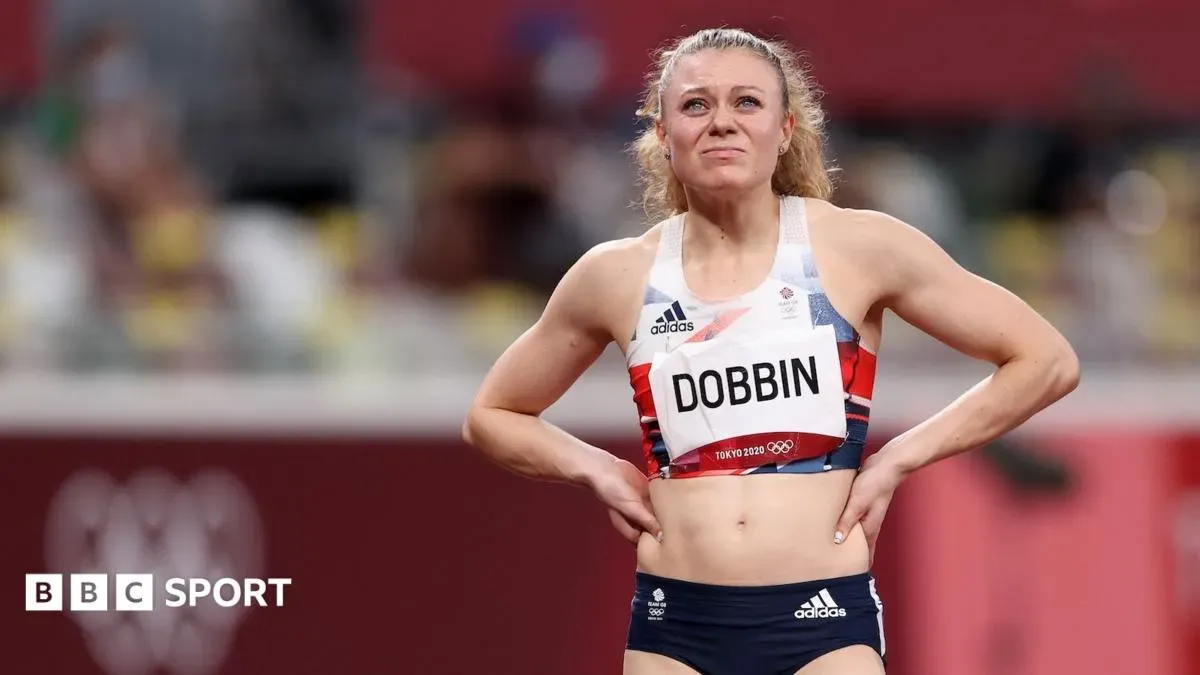
International sprinter Beth Dobbin is now confined to her bed for more than 22 hours a day due to a chronic illness that has drastically altered her life.
International sprinter Beth Dobbin is now confined to her bed for more than 22 hours a day due to a chronic illness that has drastically altered her life.
Five years ago, she was competing at the Tokyo Olympics as part of the Great Britain team, but today at just 32 she can barely muster the energy to get out of bed except to eat and use the bathroom.
Dobbin's health struggles stem from an ME diagnosis, a condition characterized by persistent fatigue that worsens with physical or mental exertion. Simple tasks like attending a doctor's appointment can leave her weakened for months afterwards.
She has lost count of how many "crashes she has experienced since being diagnosed, each one triggered by factors such as excessive light, loud sounds, or even a brief conversation. These episodes can last anywhere from 24 to 48 hours in some cases, but others persist for months on end.
With most days spent bedridden, Dobbin's life is now severely limited - this year alone she has left her house only five times, highlighting the drastic impact of ME on her daily routine and sense of identity.
Dobbin's health issues began with a pair of infections that hit her in winter 2021-22 - Covid and glandular fever. Initially, she didn't experience any severe symptoms, but retrospective tests revealed she had contracted both illnesses.
As time passed, Dobbin noticed changes in her body. She was sleeping more than usual and her running times were slightly slower, but these developments didn't raise immediate concerns. However, she did start to feel soreness in the glands of her neck and armpits.
A series of tests conducted by British Athletics doctors failed to yield any clear answers about Dobbin's condition. Believing it might be lingering glandular fever that would eventually subside, she continued training and competing.
Dobbin's participation in several major championships was a testament to her dedication and perseverance. She qualified for the World Championships, Commonwealth Games, and European Championships, all of which were condensed due to the pandemic backlog.
Her performances at these events were increasingly affected by her deteriorating health. At the Worlds, she struggled with a painful throat and experienced unusual nighttime awakenings. Meanwhile, at the Commonwealths, Dobbin reported feeling dizzy while running and experiencing more body soreness than usual.
The turning point came during the Europeans, where Dobbin false-started due to an unsettling loss of sensation in her legs while in the blocks. This marked a low point for Dobbin, who has since spoken candidly about her year of hell in an emotional interview after that race.
Dobbin's health struggles continued despite her efforts to return to training.
She attempted to resume exercising for six weeks but was only able to manage three weeks before hitting a roadblock.
Her medical team was perplexed by her persistent condition, given that she had already battled viruses months prior.
The specialists consulted with multiple experts across various fields and were left stunned by Dobbin's ongoing health issues.
ME, also known as chronic fatigue syndrome (CFS), is a poorly understood condition characterized by a wide range of symptoms including nausea, headaches, cognitive impairment, and brain fog.
Dobbin rejects the label CFS, believing it fails to convey the severity of her illness, which she describes as feeling like her entire body is shutting down.
Dobbin's condition has made even simple tasks exhausting, requiring her to spend most of her day in bed.
To manage her fatigue, she relies on medication that helps her sleep, but even this is not always effective.
Her family members are deeply affected by Dobbin's illness, and they struggle to cope with the emotional toll it takes on them every day.
Dobbin's father expresses his desperation to help his daughter find a cure or treatment for her condition, feeling frustrated by the lack of options available.
The constant worry about Dobbin's well-being has become a source of sadness and anxiety for her family, who fear for their future and the care they will need to provide.
The constant struggle to access specialist care for Beth Dobbin has taken a toll on her family's emotional well-being.
Without a dedicated NHS service for ME, Dobbin has had to navigate the healthcare system alone, educating GPs about the condition and sourcing private specialists after her British Athletics funding ended. The long wait for an appointment was 22 months - a period of uncertainty and worry that has been compounded by the lack of understanding and resources available.
Dobbin's sister Faye is taking matters into her own hands this weekend, running the Yorkshire Marathon to raise money for ME Research UK. This act of solidarity not only brings hope but also serves as a poignant reminder of the emotional burden carried by those closest to Beth. As Faye puts it, You just feel so helpless and we've been saying this for years now, what can we do?
The marathon is more than just a fundraising effort; it's an expression of love and support in the face of adversity. Faye acknowledges that her actions are limited by her sister's condition, stating It feels like [the marathon] is all I can do other than supporting her emotionally." Her words convey the depth of concern and anxiety that comes with caring for a loved one suffering from ME.
The emergence of long Covid has brought some attention to the medical community, highlighting the overlap in symptoms with ME. While this increased awareness offers hope for future breakthroughs and research funding, Dobbin's outlook remains bleak - at least for now.
The athlete's condition has sparked a wider conversation about chronic illness and its impact on daily life.
Many people living with similar conditions have reported feeling misunderstood or dismissed as being lazy, which can exacerbate feelings of isolation and frustration. The athlete's platform allows them to raise awareness and challenge these misconceptions, highlighting the need for greater understanding and support.
Facts based on reporting originally published by BBC Sport.
You may republish this story, in full or in part, if you credit Noti Group and link to it (licence CC BY 4.0). Photos are not included.