






Ukraine's Military Operations Disrupted by Starlink Restrictions
Ukraine's military operations have been disrupted due to restrictions placed on Elon Musk's Starlink satellite Internet systems, causing signal failures in frontline terminals used by Ukrainian drone units.
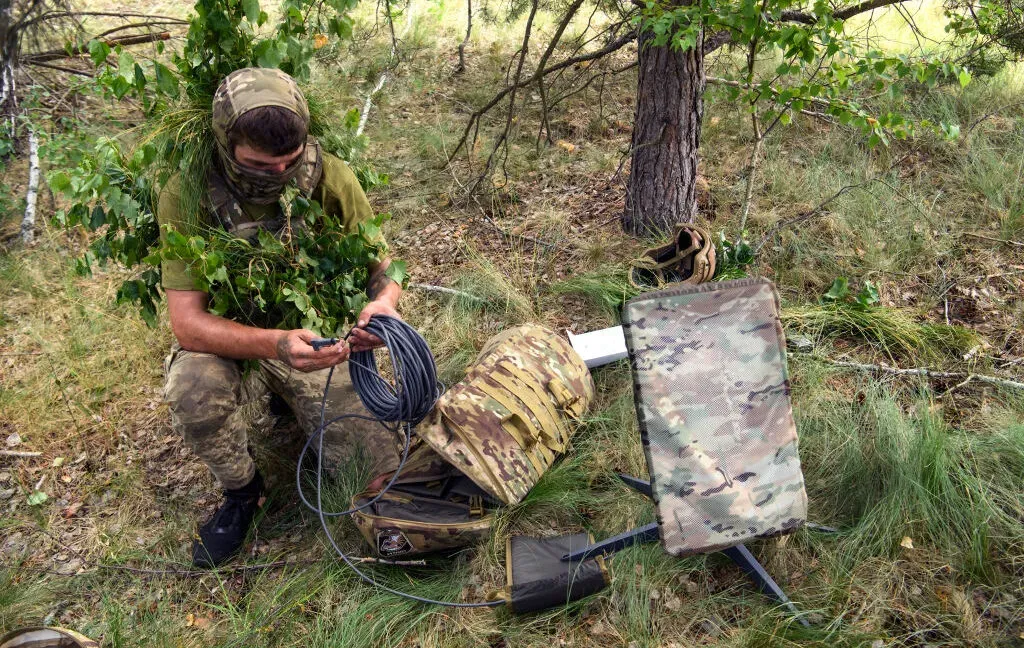
Ukraine's military has been caught off guard by restrictions placed on Elon Musk's Starlink satellite Internet systems, which have disrupted frontline operations. The restrictions, which affect speeds above 160 km/h, have caused signal failures in Starlink terminals used by Ukrainian drone units. This has resulted in several missions being disrupted early on Wednesday morning.
The limitations are particularly problematic for Ukraine's middle strikes, which target Russian military supply lines and logistics. According to a senior official familiar with the situation on the front, logistics at the frontline and middle strikes have been badly limited, with operations severely impacted. The official noted that there was no warning from partners about these restrictions.
Ukraine had also received no warning of a second consecutive day of Russian missile attacks on its energy facilities. This lack of intelligence has left Ukrainian authorities scrambling to respond to the ongoing threat. The inability to defend itself against Russia's new jet-powered drones, which rely on Starlink for interceptors, has added to Ukraine's concerns.
The restrictions on Starlink have also had a significant impact on long-range drone operations in Ukraine. According to Serhii Beskrestnov, a Ukrainian defense ministry adviser, the limitations have been particularly problematic for Ukraine's ability to defend itself against Russia's new jet-powered drones.
The escalation of Russian attacks on Ukraine's energy infrastructure has added to Kyiv's concerns about its ability to defend itself.
In recent days, US President Donald Trump has increased pressure on Ukraine to cease drone strikes against Russian oil refineries and threatened to cut off vital intelligence sharing with Kyiv.
This move has raised eyebrows in Kyiv, particularly given the lack of advance warning about Russia's missile strikes that have been targeting Ukraine's energy infrastructure.
Trump has attributed the rise in global diesel prices to Ukraine's actions, but analysts argue that the US war with Iran is a major contributing factor.
The 7th Rapid Response Corps of Ukraine's air assault forces on the southeastern front has reported that the restrictions on Starlink terminals have directly affected the use of unmanned aerial vehicles (UAVs) that rely on the satellite network for control during flight.
The restrictions on Starlink terminals have caused disruptions for Ukrainian military drone operations. The 7th Rapid Response Corps of Ukraine's air assault forces reported that pilots noticed connectivity issues during flights, with connections dropping for up to 20 seconds even at speeds of over 110 kilometers per hour.
As a result, the drones' control became complicated, and their low speed made them more vulnerable to Russian air defenses. The unit noted that slower targets are indeed more susceptible to enemy strikes, which posed significant problems during drone take-offs.
The restrictions also forced some Ukrainian military missions to be cancelled due to the limitations on Starlink connectivity. This has had a direct impact on the effectiveness of their operations in the field.
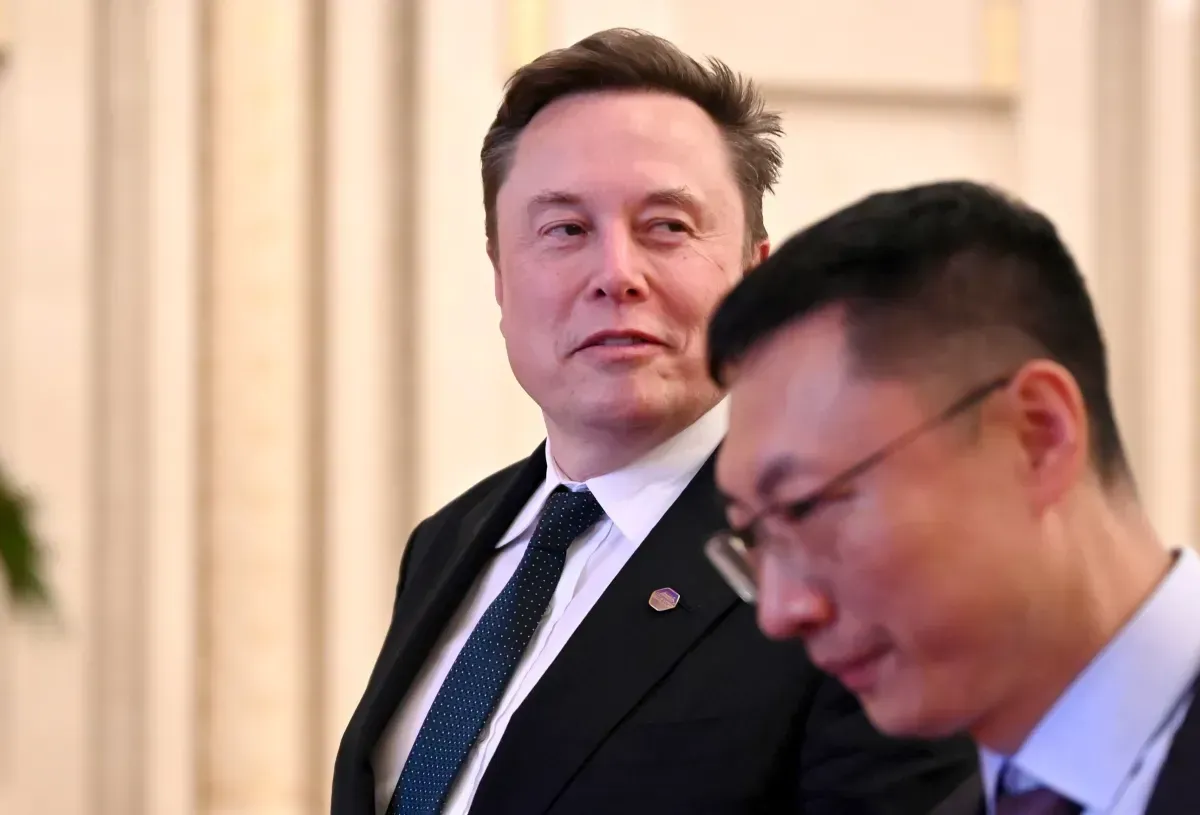
Some officials speculate that SpaceX introduced these restrictions at the request of the previous US administration, following comments made by Elon Musk critical of Ukrainian President Volodymyr Zelenskyy.
Ukrainian officials are working to resolve the issue of Starlink throttling restrictions through a coordination center in Wiesbaden, Germany.
The White House and SpaceX have not commented on the matter, while Elon Musk's social media platform has been used by others to express concern about the restrictions. Polish Foreign Minister Radosław Sikorski wrote directly to Musk, questioning whether he is "playing politics with your products again" as European customers watch closely.
Ukrainian President Volodymyr Zelenskyy arrived in London on Wednesday morning for a meeting with Prime Minister Andy Burnham, and expressed frustration at the lack of early warning from partners before recent Russian missile strikes. He noted that Ukrainian systems detected the missiles only when they were "already virtually on approach to Kyiv".
Zelenskyy also highlighted the scale of the attacks, which included 39 ballistic missiles and over 120 attack drones targeting energy infrastructure in Kyiv and Kharkiv. Ukraine's air force reported intercepting just four missiles, with many more hitting their intended targets.
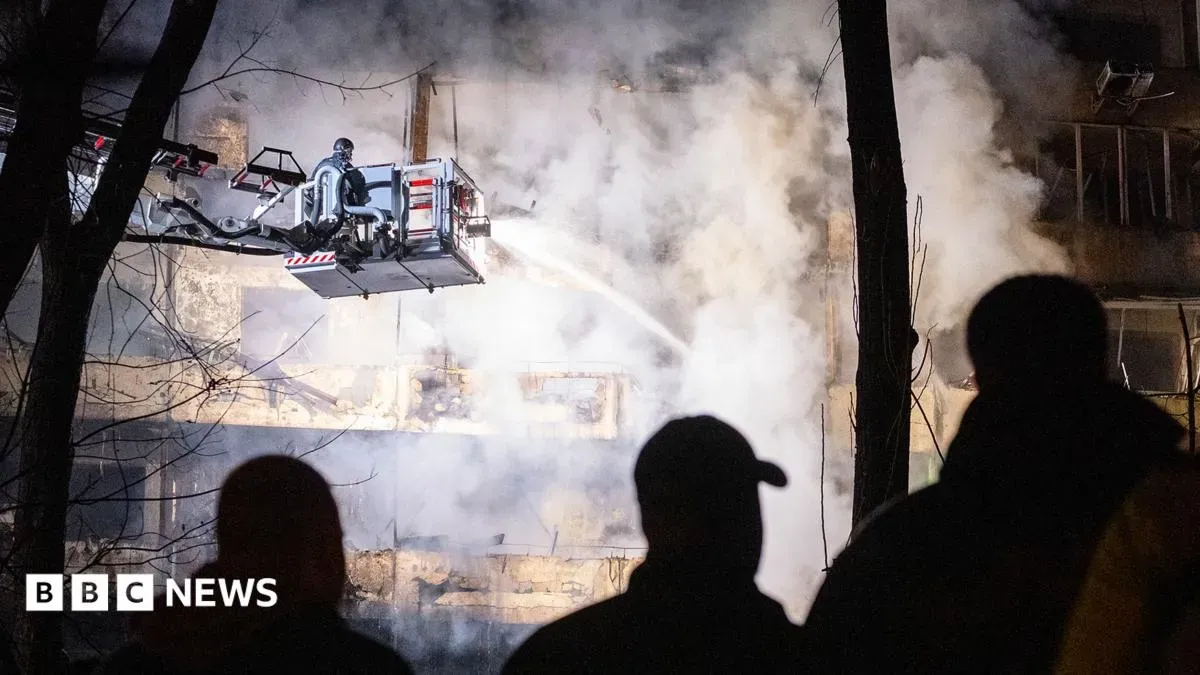
The latest barrage of missile strikes by Russian forces has left Ukraine reeling, causing widespread destruction to critical infrastructure across the country.
At least 600,000 people were without electricity on Wednesday morning as a result of the attacks, which targeted 26 facilities in Ukraine's power system and four in the oil and gas sector. Kyiv authorities reported two fatalities and over 20 injuries from these strikes.
The Ukrainian president condemned Russia's actions as "ostentatious disrespect" towards the United States, urging Washington to impose tighter sanctions on Moscow and acknowledge its role in perpetuating the conflict.
Facts based on reporting originally published by Ars Technica.
You may republish this story, in full or in part, if you credit Noti Group and link to it (licence CC BY 4.0). Photos are not included.