






Rivian's In-Car AI Assistant Gets Upgrade with External Integration
Rivian's in-car AI assistant will allow drivers and passengers to interact with their cars using voice commands, with plans for external integration to enhance capabilities.
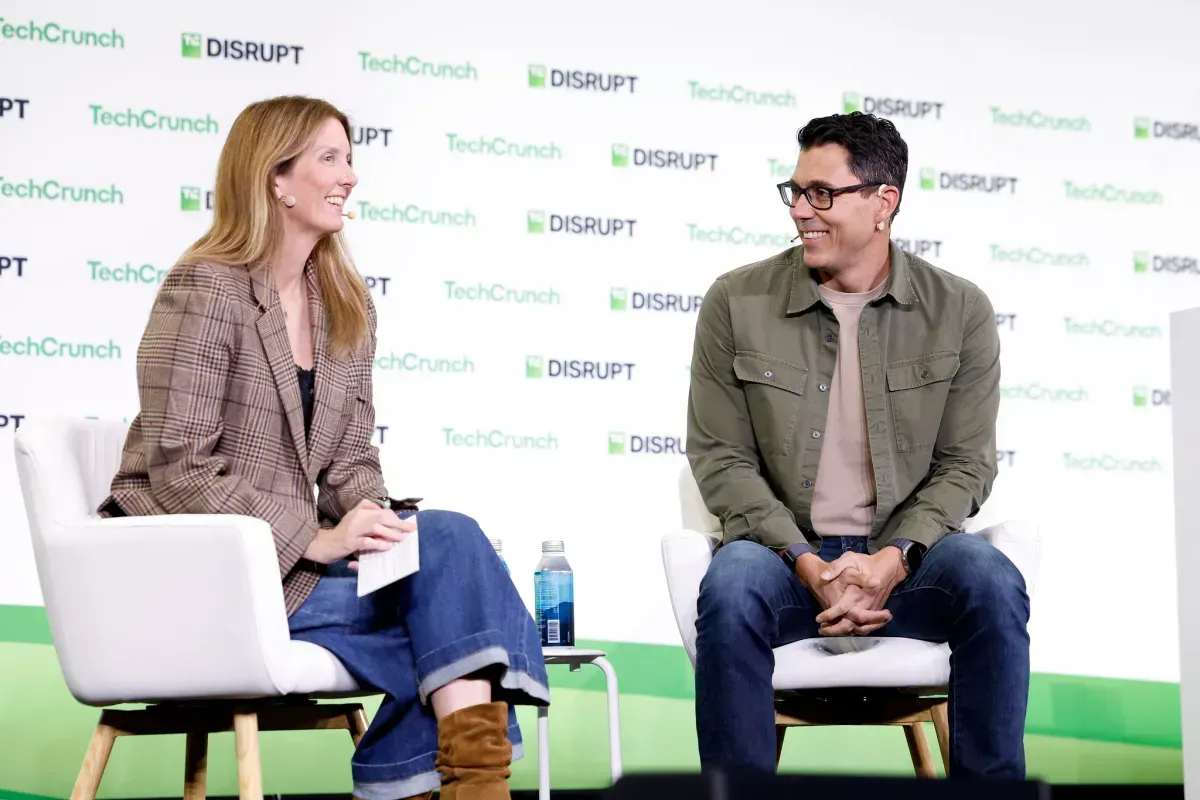
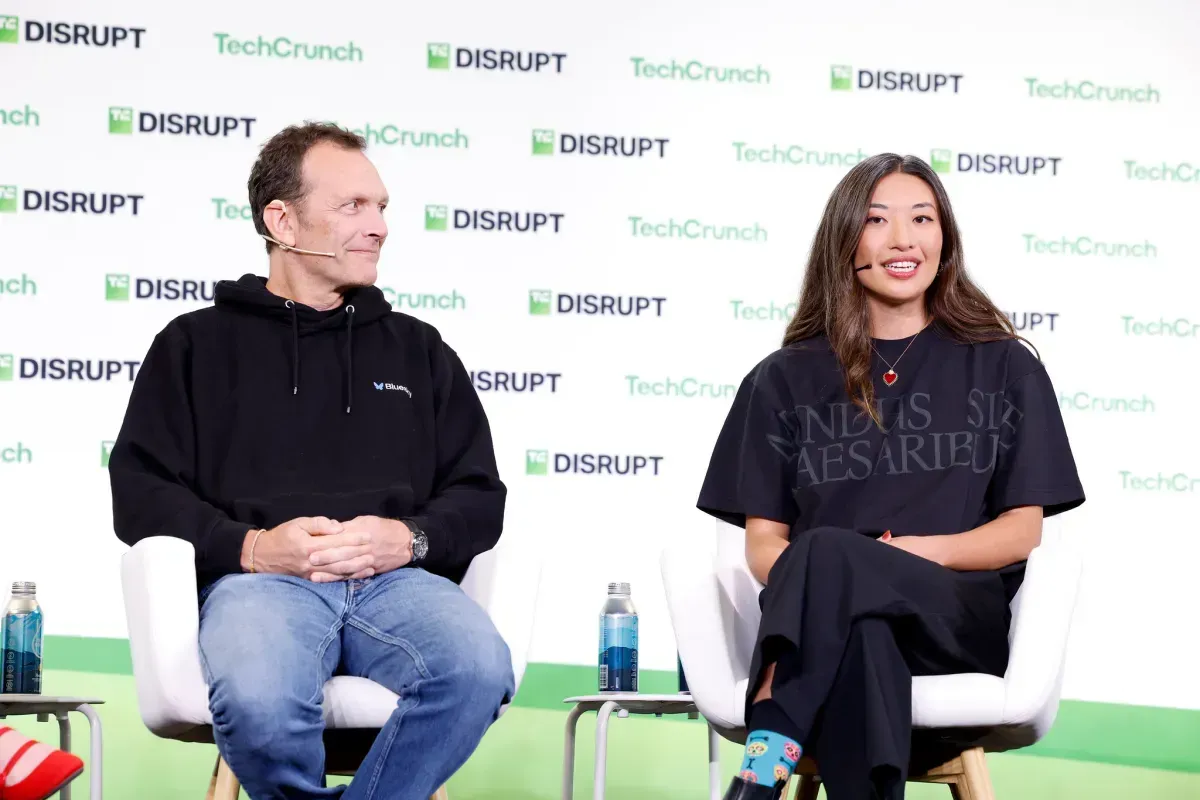
Rivian, a leading manufacturer of electric vehicles, has taken its in-car AI assistant to the next level by allowing drivers and passengers to interact with their cars using voice commands. The company's founder and CEO, RJ Scaringe, revealed at TechCrunch Disrupt that Rivian's future plans include integrating AI agents from external companies into its vehicles.
According to Scaringe, these third-party AI agents will enable users to access a wider range of capabilities, taking the car's functionality to new heights. He described this integration as "magical, suggesting that it will significantly enhance the user experience.
Rivian has been developing its own in-car software from scratch, unlike some other manufacturers that rely on Apple CarPlay or Android Auto. This approach has allowed the company to build a range of proprietary applications, including navigation systems and popular in-car apps like Apple Music.
The company's AI assistant already understands voice commands and can perform tasks such as adjusting temperature settings, activating seat warmers, or summarizing news updates. However, with external AI agents on board, users may be able to access additional features and services.
Rivian has not provided a specific timeline for the integration of third-party AI agents but is hosting an AI & Autonomy Day event in December, which will likely shed more light on its plans.
Rivian's AI system is designed to be flexible and adaptable, allowing it to choose from various models depending on the complexity of the task at hand. If a question requires a straightforward answer, the local model running on the vehicle can provide the response. However, if the query is more complex, the system can shift to a cloud-based model for a more accurate answer.
The AI agent has already been integrated with external apps like Google Calendar, and Rivian plans to take it a step further by incorporating products from leading AI companies into its vehicles. This integration will not be straightforward, however, requiring significant plumbing work behind the scenes to ensure seamless operation.
One of the key challenges that Rivian faces is integrating third-party software with its safety-critical systems. The company must exercise extreme caution when implementing new features, particularly those related to vehicle control. As Scaringe noted, it's essential to prevent the AI agent from taking control of critical functions like braking or steering.
To avoid this risk, Rivian is likely to implement a more nuanced approach that builds on existing user habits. For instance, users may be able to access their personal data and preferences stored in apps like Muse, which collect information about users' habits and routines. This would enable the AI agent to provide personalized recommendations and assistance without compromising vehicle safety.
The exact timeline for integrating third-party AI agents is still unclear, but Rivian's upcoming AI & Autonomy Day" event in December promises to shed more light on its plans. The company will likely provide further details about its integration strategy and how it intends to balance the benefits of AI with the need for safety and security.
Rivian's AI-powered assistant will be able to learn from drivers' habits and preferences over time, allowing it to provide more personalized recommendations and assistance.
This advanced functionality is made possible by the integration of natural language processing (NLP) technology into the car's software, enabling the assistant to understand complex voice commands and respond accordingly.
For instance, a driver could ask the Rivian assistant to recall a conversation they had on another device, such as their smartphone or tablet, and use that context to inform its response. This would allow drivers to pick up where they left off in previous conversations.
Rivian's AI-powered assistant will not be the first of its kind in an American car company, however - Tesla has already introduced a feature allowing users to interact with both SpaceX's Grok chatbot and its own Grok Bot assistant.
The integration of NLP technology into the car's software marks a significant step forward for Rivian's AI-powered assistant, and highlights the company's commitment to creating a more seamless and intuitive driving experience.
The integration of NLP technology into Rivian's car software is a significant step forward for its AI-powered assistant, highlighting the company's commitment to creating a seamless and intuitive driving experience.
Rivian has been working on enhancing its in-car AI assistant, which will now be able to understand voice commands more accurately. This improvement aims to make interactions with the vehicle more natural and user-friendly. The integration of NLP technology is expected to elevate the overall driving experience for Rivian's customers.
As part of this development, the company has also implemented a system that allows its AI agents to learn from users' behavior and adapt to their preferences. This adaptive learning capability will enable the AI assistant to provide more personalized recommendations and assistance over time.
The integration of NLP technology into Rivian's car software marks a major milestone in the development of its AI-powered driving experience, setting the stage for further innovation and improvement in this area.
Facts based on reporting originally published by TechCrunch.
You may republish this story, in full or in part, if you credit Noti Group and link to it (licence CC BY 4.0). Photos are not included.