






Nintendo Remakes Ocarina of Time for Switch 2 Console
A remake of the original game is in development, incorporating modern features while staying true to its roots.
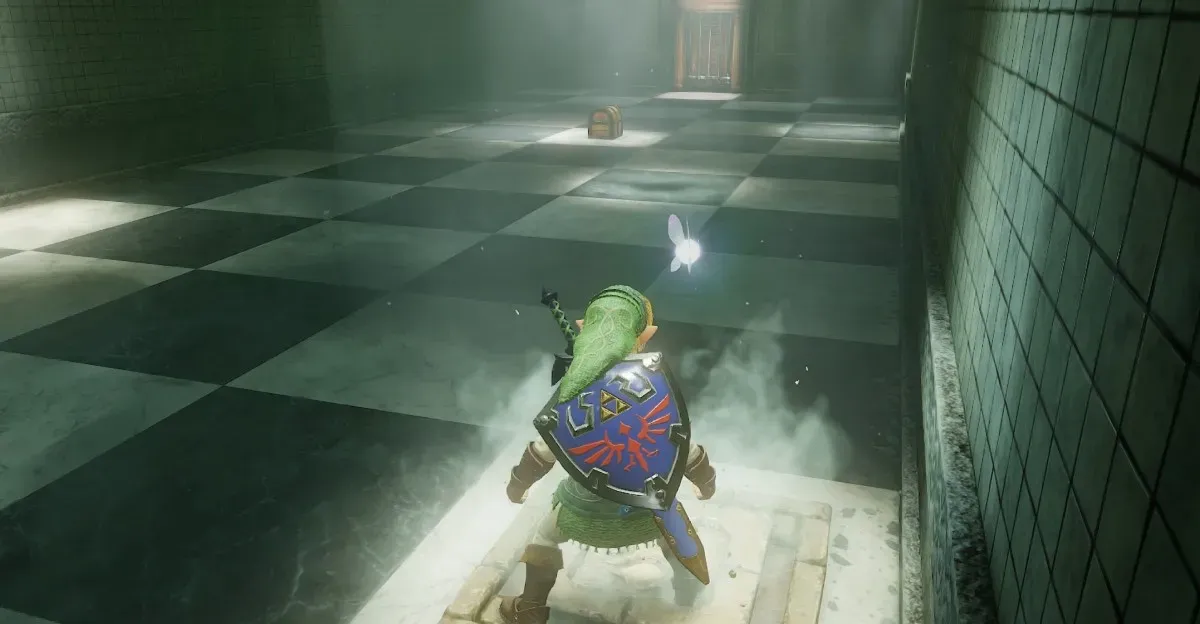
Nintendo's upcoming remake of The Legend of Zelda: Ocarina of Time for the Switch 2 console is shaping up to be a remarkable update that stays true to the original while feeling refreshingly modern.
The game, originally released in 1998 for the Nintendo 64, was a pioneering title that introduced many innovations such as 3D graphics and movement. The remake has incorporated changes that enhance its overall experience, making it feel both more modern and at times, surprisingly terrifying.
My early hands-on time with the game revealed several key updates, including improved visuals that make this version stand out from previous iterations. It's clear that Nintendo has not only polished but also revamped various aspects of the original to create a smoother gaming experience.
One notable addition is a new progression marker called Threads of Time, which allows players to track their progress even when paused in-game. This feature joins other modern trappings such as Zelda Notes integration within the Nintendo Switch app, enabling seamless access to game maps and information on your phone.
The remake also addresses long-standing issues with the original, including the addition of a dedicated jump button, a simple yet significant change that enhances gameplay fluidity.
The Ocarina of Time remake's narrative remains one of its strongest aspects, drawing players into its world as seamlessly as ever.
In many respects, the remake feels like a modern Zelda game, thanks to its refined gameplay mechanics and intuitive controls. The link between action and control is now more direct, allowing for smoother transitions between movements and attacks.
One notable improvement is the way items and weapons are accessed, no longer requiring players to pause the game and navigate menus. Instead, holding down a shoulder button freezes time, enabling quick access to desired equipment using an analog stick to browse through options in real-time.
The remake's design keeps pace with its more recent Zelda counterparts, presenting a less complex yet engaging adventure experience. The truncated sections I played left me confident that Nintendo has successfully reimagined this classic title.
The Forest Temple stands out as one of the most impressive areas I had the chance to explore, showcasing the updated art style in all its glory. This new aesthetic allows for more nuanced and frightening depictions of horror elements, which were previously limited by the technology available at the time of the original's release.
The remake's modern aesthetic is not limited to visuals alone. The control scheme has also been overhauled to take advantage of the latest hardware capabilities.
Players can now use the right stick to manipulate the camera in real-time, allowing for more dynamic and cinematic moments. This feature is particularly useful for those who enjoy capturing screenshots, as it enables them to freeze a scene in time with greater ease.
The remake's accessibility has been improved significantly compared to the original, making it easier for new players to jump into the game. Despite being one of Nintendo's earliest fully-3D titles, Ocarina of Time remains a beloved classic that continues to captivate audiences.
The Legend of Zelda series is currently experiencing unprecedented popularity, with Breath of the Wild and Tears of the Kingdom drawing in both old and new fans alike. The live-action movie adaptation will also be released soon, further cementing the franchise's status as one of gaming's most enduring and iconic series.
Facts based on reporting originally published by The Verge.
You may republish this story, in full or in part, if you credit Noti Group and link to it (licence CC BY 4.0). Photos are not included.